



IBM developing travel program to help avoid traffic
Combining predictive analytics with real-time information about current travel congestion from sensors and other data, the system could recommend better ways to get to a destination, such as how to get to a nearby mass transit hub, whether the train is predicted to be on time, and whether parking is predicted to be available at the train station.

At a smarter transportation-focused event today in Washington, D.C., IBM announced a new research initiative to build personalized travel routes for commuters to avoid traffic gridlock. The company's researchers are using advanced analytics to develop adaptive traffic systems that will intuitively learn traveler patterns and behavior to provide more dynamic travel safety and route information to travelers than is available today.
IBM researchers are developing new models that will predict the outcomes of varying transportation routes to provide a personalized recommendation that get commuters where they need to go in the fastest time. This project intends to provide information that goes well beyond traditional traffic reports, after-the fact devices that only indicate where you are already located in a traffic jam, and web-based applications that give estimated travel time in traffic.
Using new mathematical models and IBM's predictive analytics technologies, the researchers will analyze and combine multiple possible scenarios that can affect commuters to deliver the best routes for daily travel, including many factors, such as traffic accidents, commuter's location, current and planned road construction, most traveled days of the week, expected work start times, local events that may impact traffic, alternate options of transportation such as rail or ferries, parking availability and weather.
Working with state and local transportation agencies, IBM plans to launch pilot projects for select sets of commuters to analyze, test and refine the new systems. IBM plans to provide program participants with the personalized commuting information via the web, through mobile voice interaction, combined with advanced mapping applications on mobile devices.
For example, combining predictive analytics with real-time information about current travel congestion from sensors and other data, the system could recommend better ways to get to a destination, such as how to get to a nearby mass transit hub, whether the train is predicted to be on time, and whether parking is predicted to be available at the train station. New systems can learn from regular travel patterns where you are likely to go and then integrate all available data and prediction models to pinpoint the best route.
Insight from IBM's analytics and pilot programs will help transportation agencies better understand and manage traffic, increasing safety on our roads and encouraging the use of efficient public transportation which will help reduce a commuter's overall carbon output.
"The data exists to give commuters and transportation agencies a better way to manage traffic but today it's not connected," said Gerry Mooney, GM, Public Sector, IBM. "IBM has the ability correlate all of this information to better predict demand, optimize capacity help improve traveler and highway safety as well as reduce our impact on the environment."
According to the Texas Transportation Institute, U.S. traffic congestion burns enough fuel every year to fill 58 supertankers and wastes enough time to consume 105 million weeks of vacation. Each one of us wastes nearly a week's worth of time and 26 gallons of ever-more-costly fuel.
Additionally, IBM is launching a new global virtual Travel and Transportation Center of Competency which will provide new solutions and deep industry expertise for air, rail, truck, and sea transportation.
IBM is assembling top consultants, software, and technology specialists on a new team who will work with clients and share the best solutions worldwide. The Center of Competency will work closely with IBM Research, one of the world's most recognized research organizations, with the company's software labs and Business Analytics centers. The center's team will work directly with clients on ground-breaking projects to help them align capacity with demand, improve customer service, increase efficiency, reduce environmental impact, and assure safe transportation.
For example, IBM consultants helped shipping giant COSCO lower logistics cost by 23 percent and reduce CO2 emissions by 15 percent. The Taiwan High Speed Rail Corporation uses IBM software to help achieve 99.15 percent on-time performance, and Amsterdam's Schiphol Airport used IBM's RFID-based baggage handling system to reduce mishandled baggage by 60 percent, cut the time required to transfer bags between flights, and save operating cost. Air Canada's new smart phone application, developed by IBM, recently won the Canadian New Media Award for Best Mobile App of 2009. The application makes check-in, electronic boarding-passes, flight information, itinerary changes and other flight information available instantly for travelers on the go.
For more information visit http://www.ibm.com/smarterplanet/traffic
Watch IBM's transportation forum this morning in Washington, D.C. in real time at www.livestream.com/newintelligence.
Follow the Twitter conversation at @smarterplanet using the #ibmtransport hashtag
More Bus

Brian Dickson on Building Stronger, More Resilient Transportation Organizations
Bus Business Consultants Founder Brian Dickson discusses the leadership principles, operational discipline, and strategic planning that separate transportation companies positioned for long-term success from those stuck in survival mode.
Read More →
LA Metro Breaks Ground on Vermont BRT Project
The 12.4-mile corridor is projected to serve 66,200 daily riders, reduce travel times by up to 24%, and create the nation's busiest bus rapid transit corridor.
Read More →
Roman Cornell on ABC Companies’ Evolution and the Future of Passenger Transportation
The company’s CEO discusses carrying forward a third-generation family legacy, ABC’s continued evolution in passenger transportation, support for increasingly complex fleets, and how technology and continued investment could help operators improve uptime.
Read More →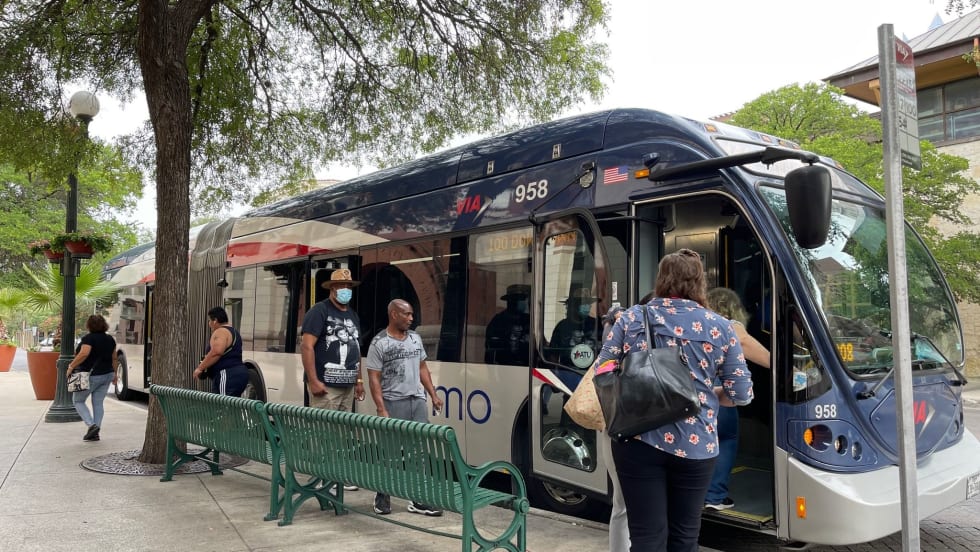
VIA Bus Ridership Grows 10.1% Through August 2026
San Antonio's VIA Metropolitan Transit reported the highest bus ridership growth among major Texas transit systems. Federal Transit Administration data ranked it second among the nation's 50 largest transit systems.
Read More →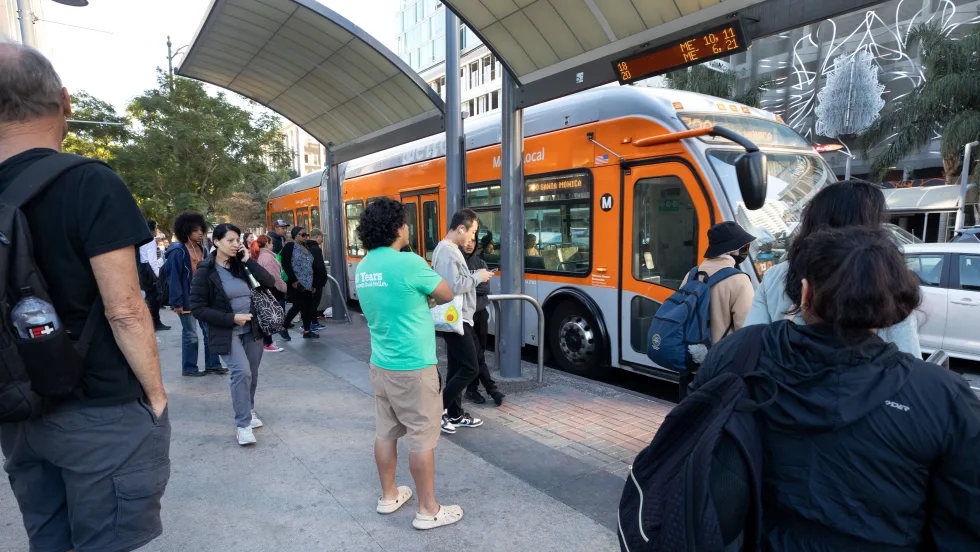
LA Metro September Ridership Climbs 3.9%, Led by Rail Growth
The agency recorded more than 27.2 million boardings, with rail ridership increasing 12.4% year over year and the D Line posting the largest gains.
Read More →
Frontrunner Bus Group Introduces XF Low-Floor Bus with Enhanced Accessibility
The new mid-sized bus features a full flat-floor design, eight-inch curbside step-in height, and zero-entry rear ramp to improve passenger access and operational flexibility.
Read More →
Scenes from APTA TRANSform & EXPO 2026
Transit leaders, manufacturers, and industry professionals gathered in Chicago to explore new technologies, share ideas, and discuss the future of public transportation.
Read More →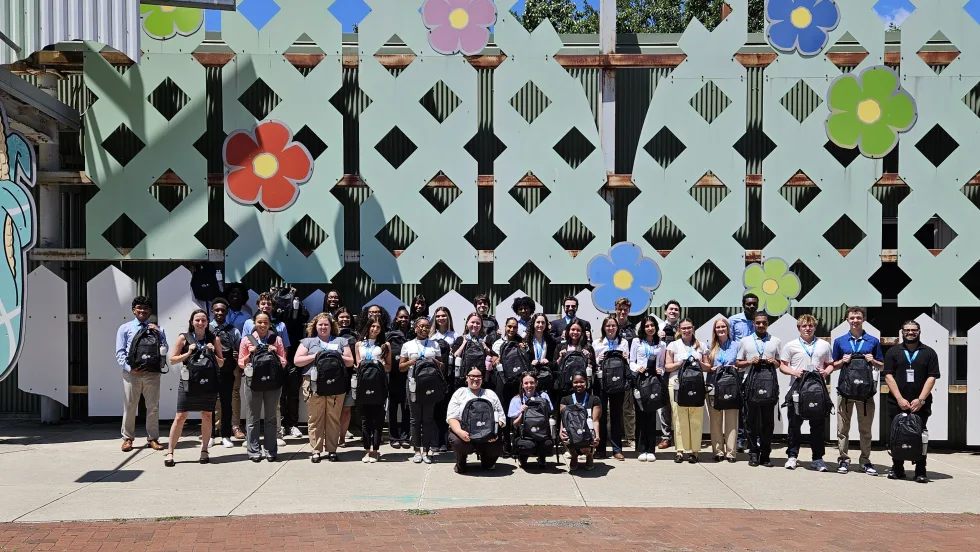
More Than a Summer Job: Building the Next Generation of Transit Talent
The Delaware River Port Authority and PATCO have transformed their internship program into a hands-on professional development experience that introduces students to the breadth of transportation careers — and creates a pipeline for future employees.
Read More →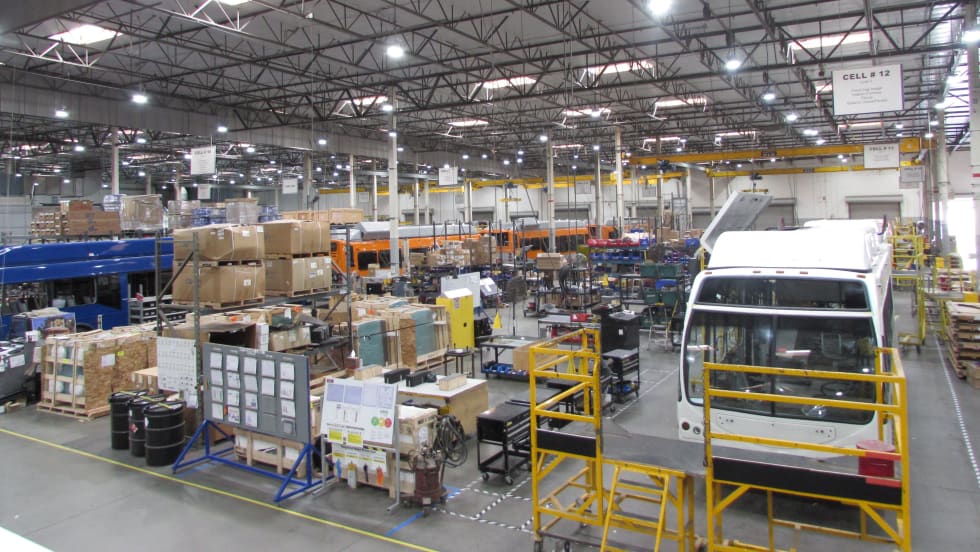
LA Metro Board Awards 220 Battery-Electric Bus Contract to ENC
The contract, which is the largest base award of battery-electric buses by a U.S. transit agency, will be built in Southern California, sustaining good jobs as LA prepares to welcome the world in 2028
Read More →
Public Transit Conference Returning to GFX in 2027, Call for Papers Now Open
The Call for Papers is now open, allowing transit agency professionals and industry experts to help shape the PTC educational program by submitting session ideas for consideration.
Read More →