
Metro Magazine

 MENU
MENU SEARCHMENUSEARCH
Loading data...
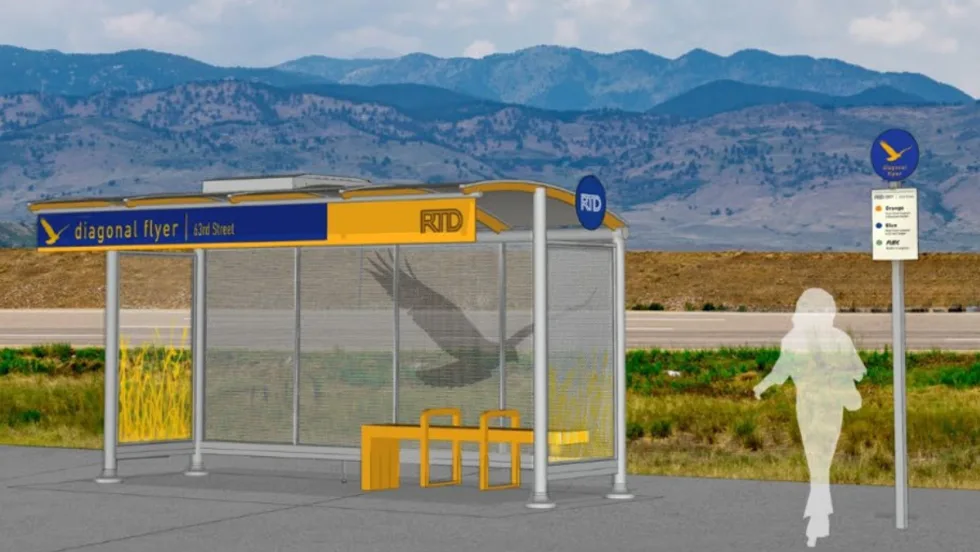
Branded wayfinding, station designs, and corridor upgrades aim to create a modern, user-friendly travel experience between Boulder and Longmont.
Read More →





The Chicago agency seeks restoration of nearly $2 billion in federal funding, warning halted projects could impact transit access and economic growth.
Read More →As chair of APTA’s Business Members Board of Governors, Ray Melleady explains how more than 850 business members are partnering with transit agencies to advance funding, innovation, and industry-wide collaboration.
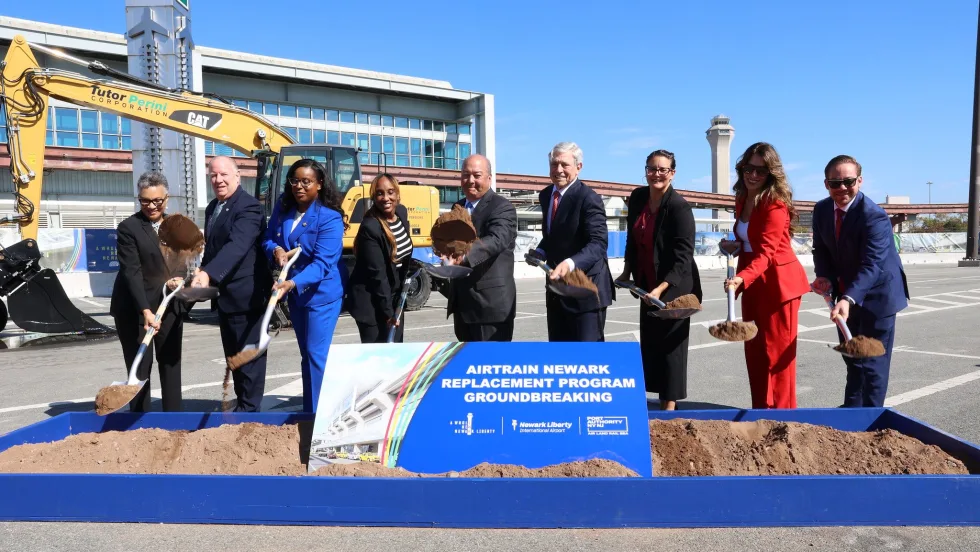
Read More →The new $3.5 billion system will replace the existing AirTrain, which opened in 1996 and has become outdated, over capacity, and unable to accommodate Newark Liberty’s rapid growth.
Read More →Voters across five states approved 13 of 16 public transit measures on Election Day, securing funding for expansions, operations, and infrastructure improvements nationwide.
Read More →CEO Nat Ford’s address offered a look at highlights from 2025, with a focus on the future and the innovative ways the JTA is shaping mobility in Northeast Florida.
Read More →Bus Business Consultants Founder Brian Dickson discusses the leadership principles, operational discipline, and strategic planning that separate transportation companies positioned for long-term success from those stuck in survival mode.
Read More →Bus Business Consultants founder Brian Dickson shares lessons on leadership, organizational health, and creating options for long-term success in a changing transportation industry.
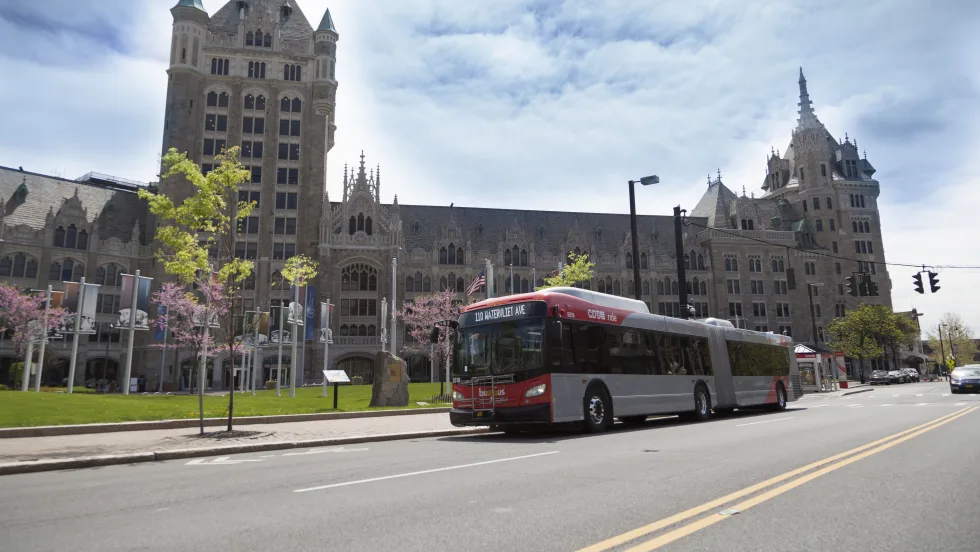
Read More →In his first State of CDTA address as CEO, Frank Annicaro highlighted the organization’s continued focus on delivering reliable service, investing in innovation, and strengthening connections across the region.
Read More →Bus Business Consultants founder Brian Dickson shares lessons on leadership, organizational health, and creating options for long-term success in a changing transportation industry.
Read More →