
Metro Magazine

 MENU
MENU SEARCHMENUSEARCH
Loading data...
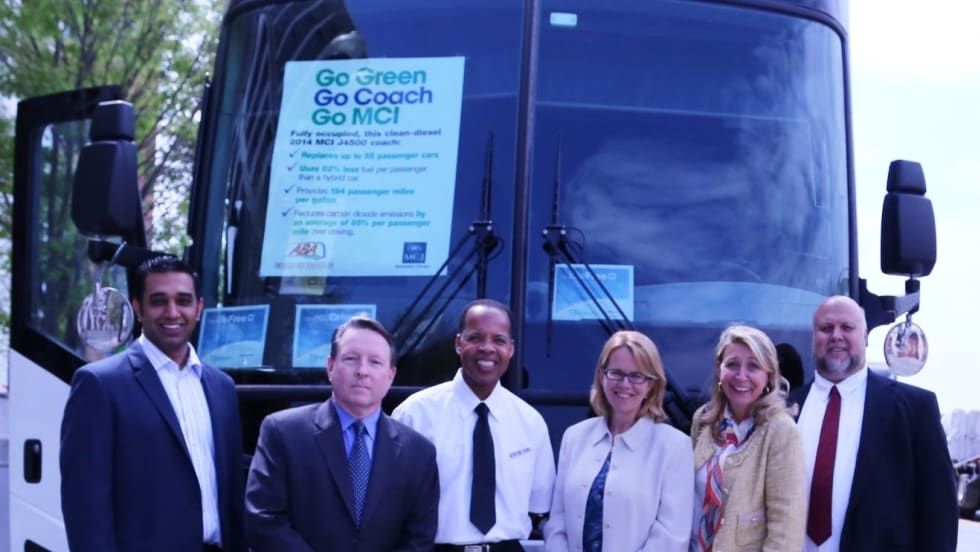
With its new J4500, Adventure Tours joined the American Bus Association and MCI in promoting green travel at the U.S. Department of Transportation’s Earth Day Fair on April 22. The operator recently took delivery of two new wheelchair-lift-equipped J4500 coaches.
Read More →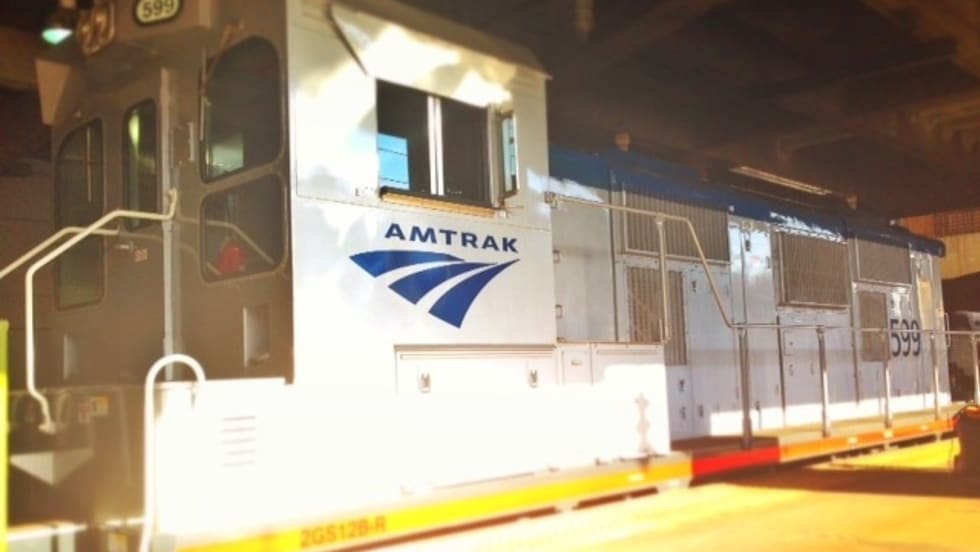
The newly-repowered locomotives are now used daily in Washington, D.C. The engine configuration helps reduce diesel fuel consumption by about 50% and produces fewer pollutant emissions.
Read More →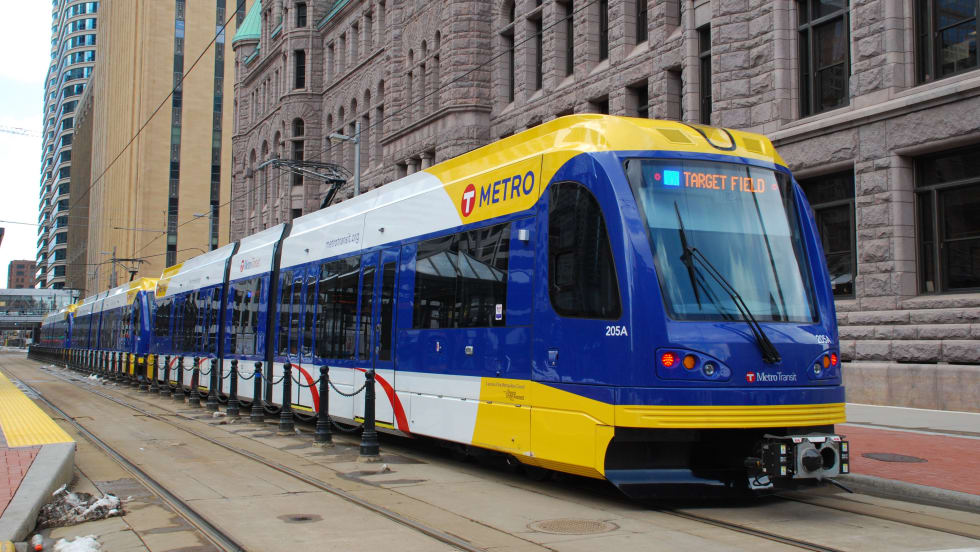
Metro Transit bought approximately 71,000 kilowatt hours of wind-generated electricity from energy supplier Xcel Energy’s Windsource program as part of an Earth Day event. This was just one of many components of its Go Greener initiative.
Read More →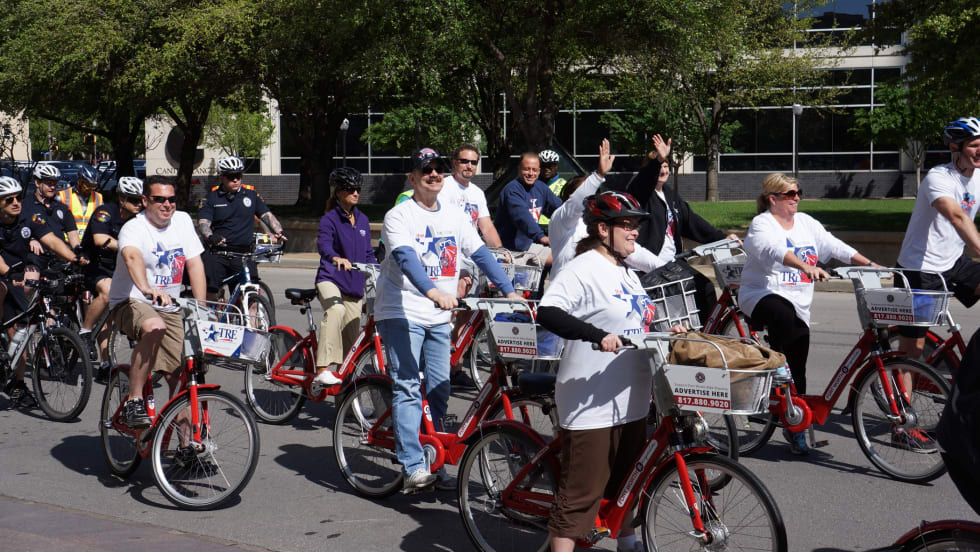
The program is the first of its kind in North Texas and was launched to the public on Earth Day.
Read More →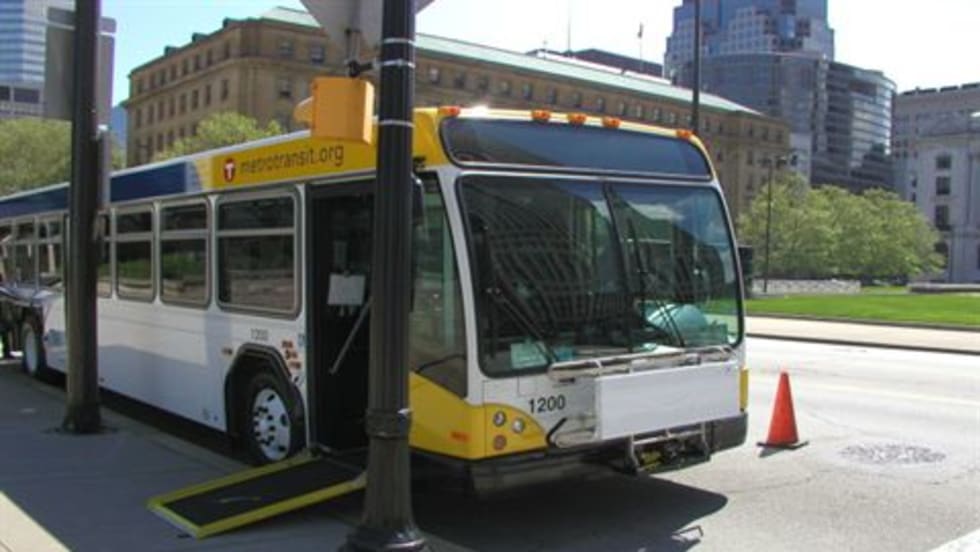
Using Xcel Energy’s Windsource program, the agency purchased approximately 71,000 kilowatt-hours of wind-generated electricity — about a day’s worth of the power required to operate the light rail line on Earth Day.
Read More →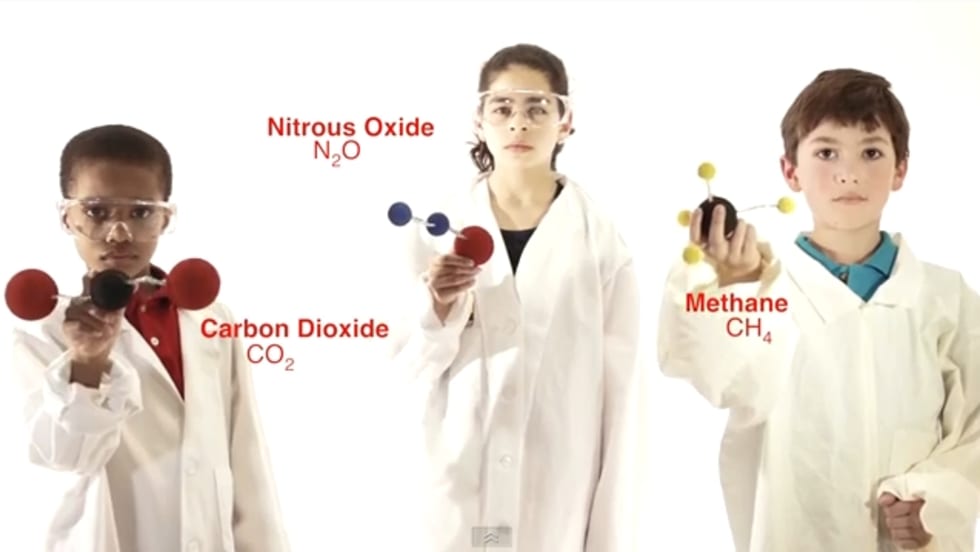
Each trip on a train or bus prevents the emission of 10 pounds of greenhouse gases, on average, compared with making that trip by car.
Read More →
Statistics for early 2011 show that 18.6% of U.S. transit buses used compressed natural gas (CNG), liquefied natural gas (LNG) and blends. Almost 9% (8.8%) of public transit buses were hybrids and nearly 8% (7.9%) of public transit buses used biodiesel.
Read More →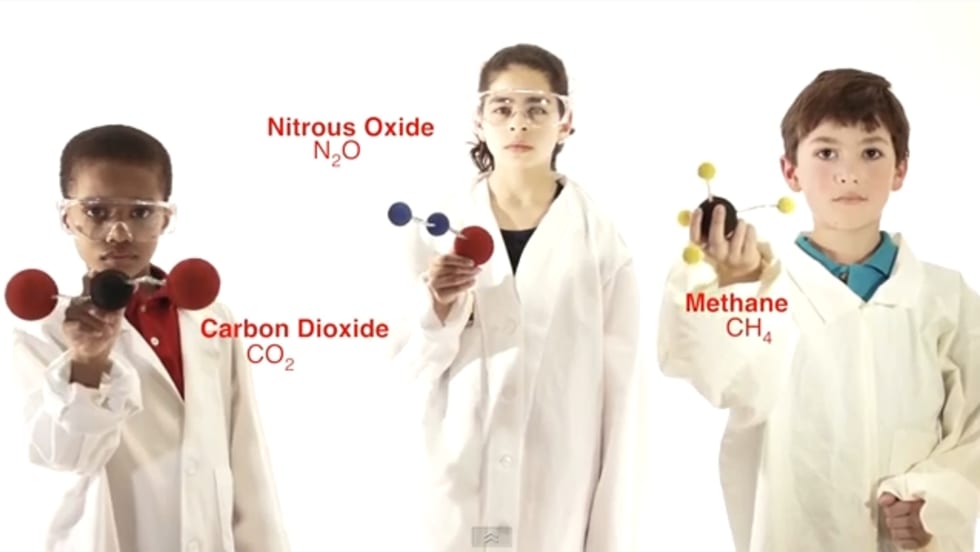
New York Metropolitan Transportation Authority celebrates Earth Day 2013 with a series of Public Service Announcements. This is the subway PSA.
Read More →Activities at Washington Union Station will feature daily event offerings to include exhibits and activities such as an alternative energy show, a youth art contest and the NASA Earth Tent. Events are free and open to all ages.
Read More →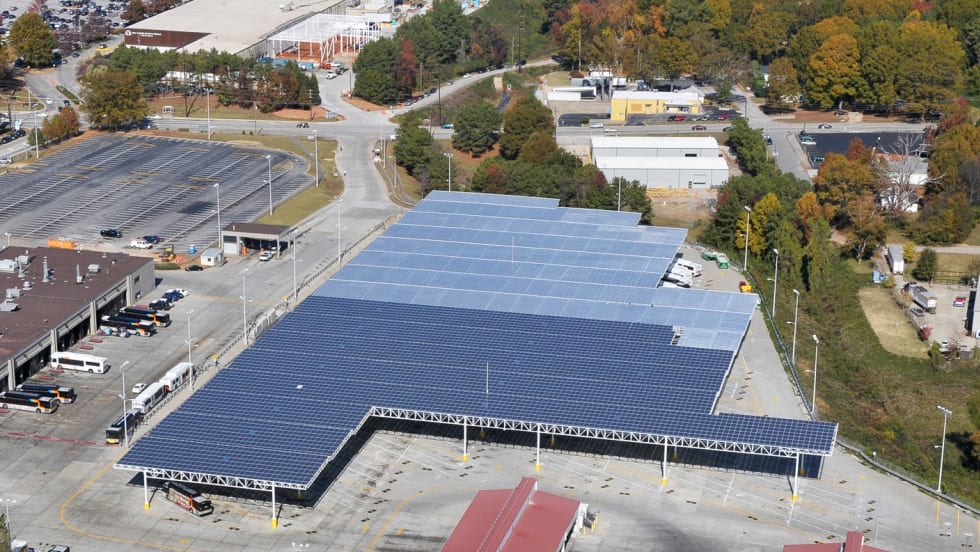
Initiatives include using solar bus shelters, operating environmentally-friendly bus and rail vehicles, recycling bus wash water, and incorporating rain gardens at bus rapid transit stations.
Read More →