
Metro Magazine

 MENU
MENU SEARCHMENUSEARCH
Loading data...
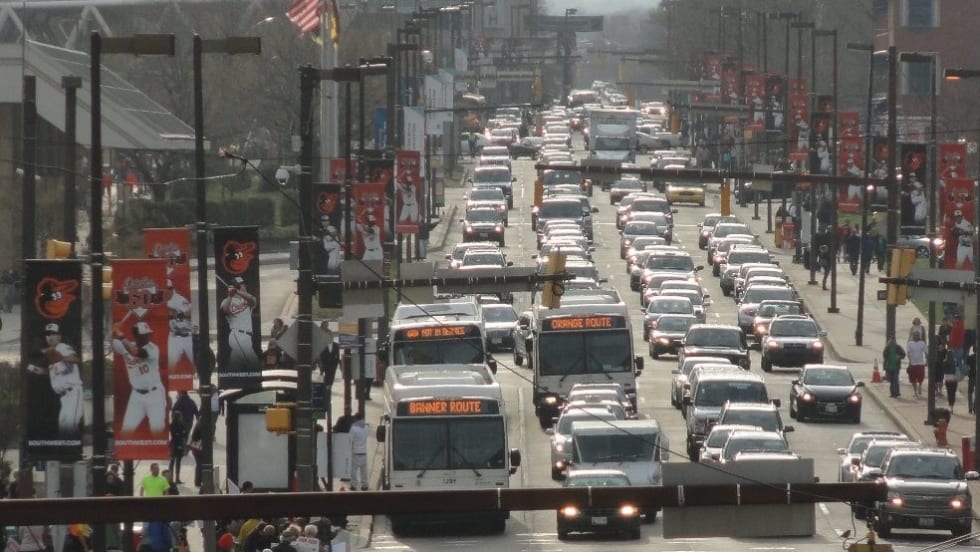
"The People's Alternative to BaltimoreLink" would cost $287 million and includes a BRT system along 14 miles of streets and additional stops along busy routes.
Read More →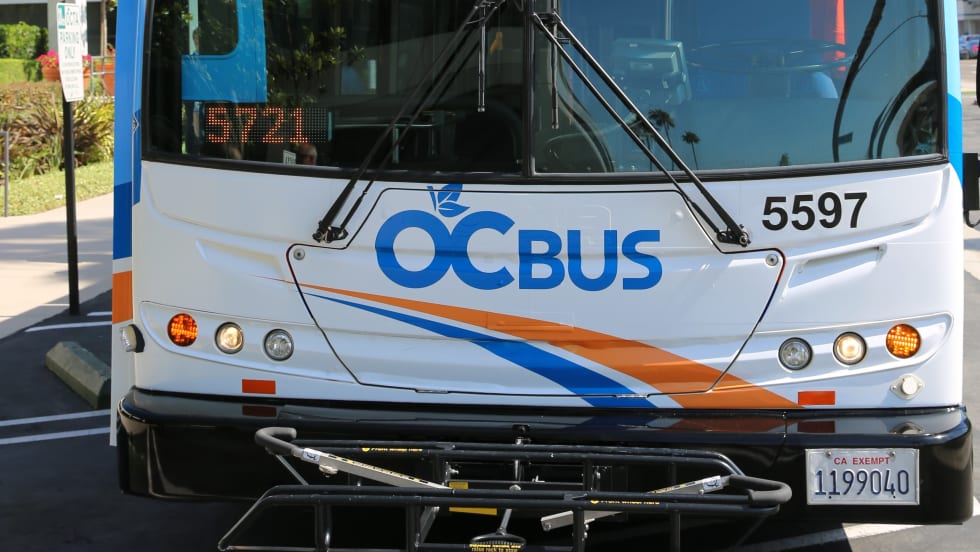
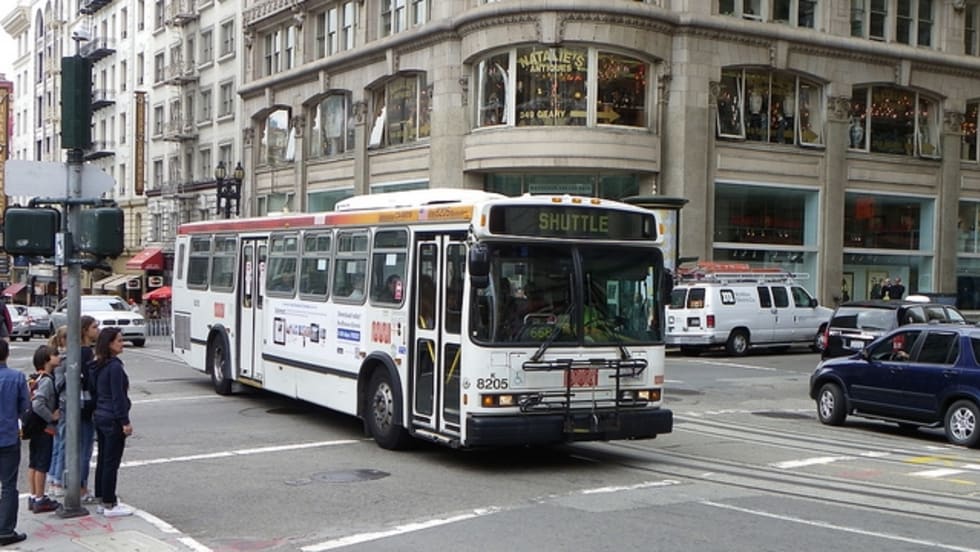
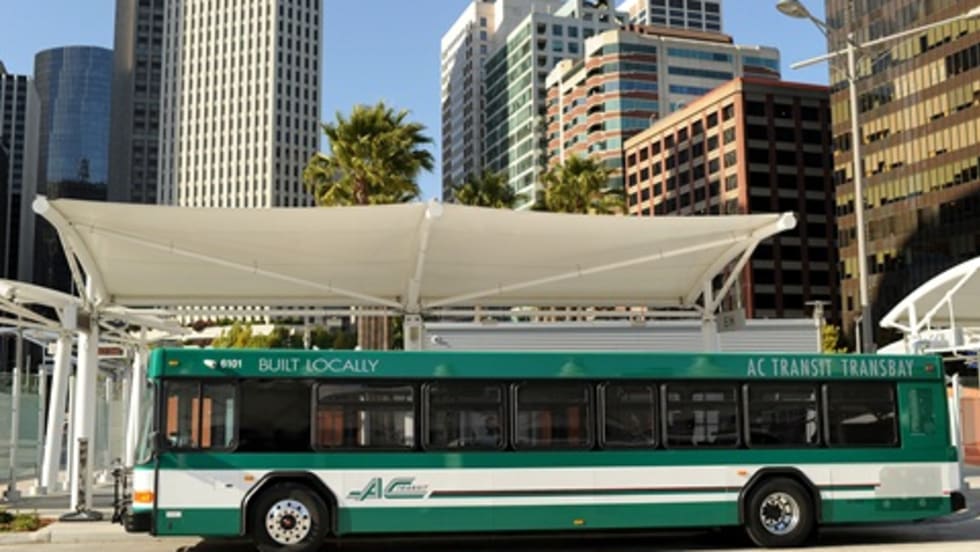

A major initiative for the budget includes an effort to increase bus ridership through implementation of OC Bus 360°, a program aimed at improving bus service and increasing the efficiency of bus travel throughout the county.
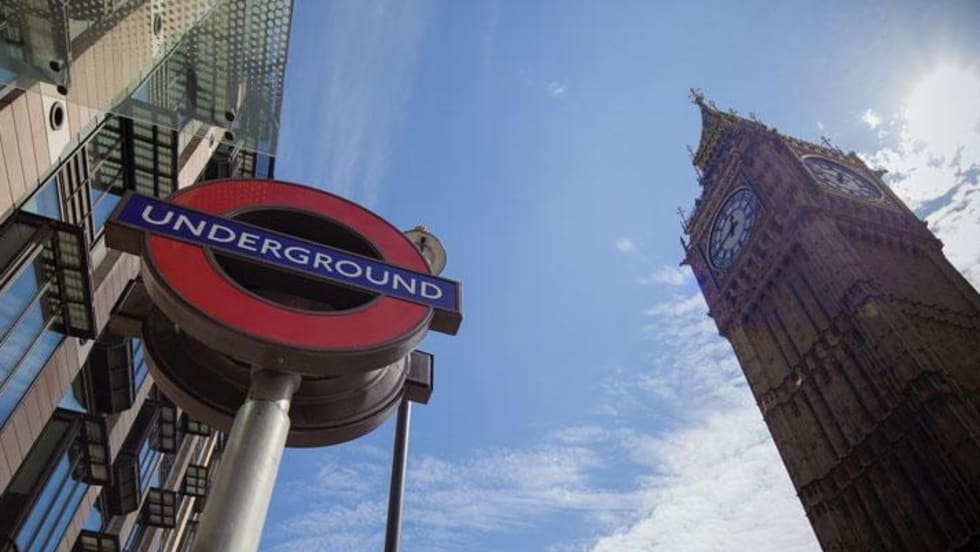
Read More →Main benefits will be delivered by 2022, when the frequency of trains running during peak periods will increase to 32 trains per hour in central London — a train every two minutes — with frequency increases at other times as well.
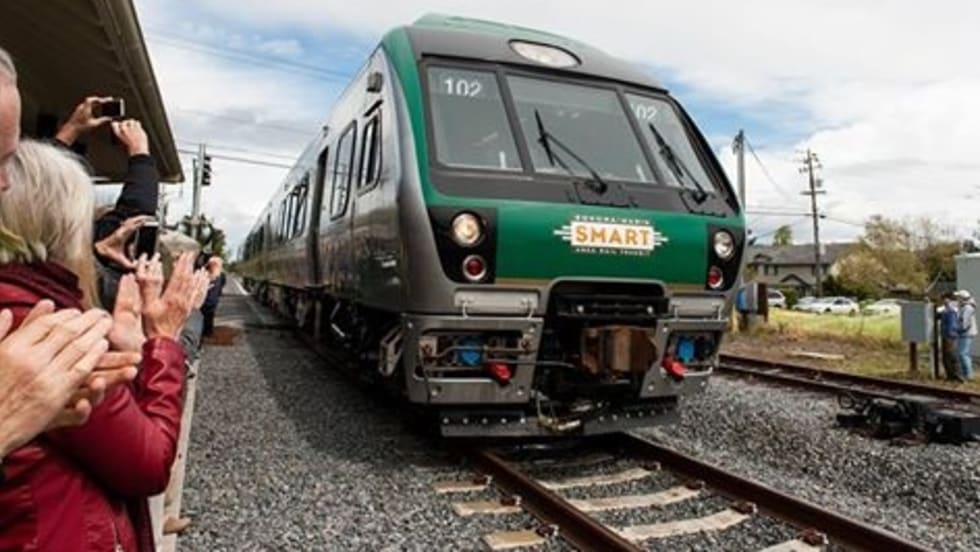
Read More →The three additional cars will boost SMART’s seating capacity by 35%, officials said. Because of the escalating costs for railcars, the grant also was estimated to have saved taxpayers about $11 million, according to state officials,
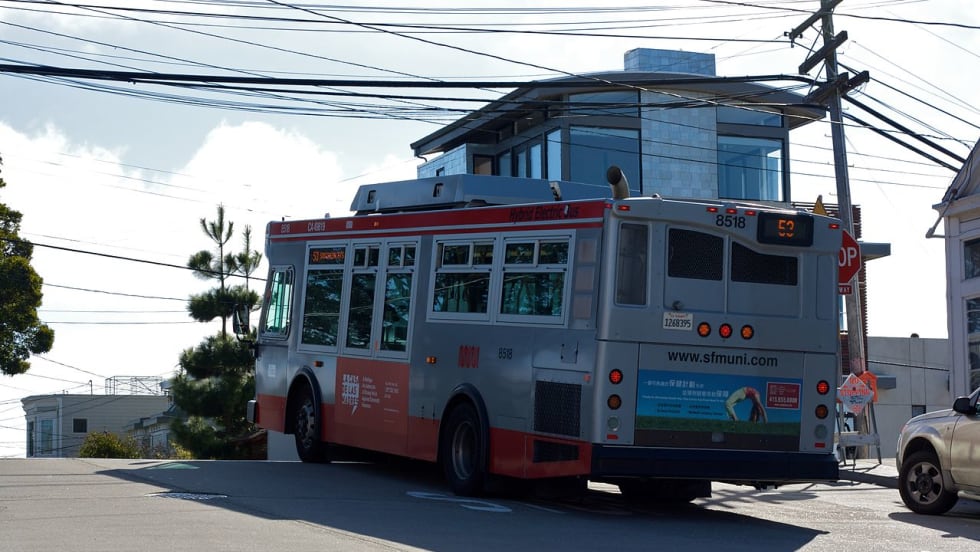
Read More →The funding, if approved by the Board of Supervisors, would allow Muni to increase service by 10% over the next two years and the creation of 244 new job positions, with hiring beginning July 1.
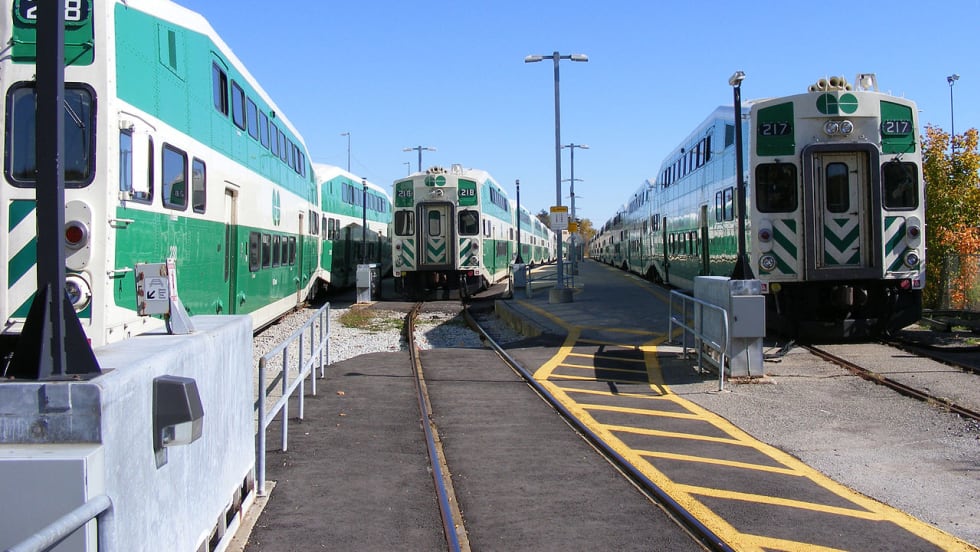
Read More →The agency currently offers about 1,500 trips a week on its regional rails. That will increase to about 2,200 in five years, and the provincial government is promising that by the time its electrification program is built out around 2024, there will be 6,000 weekly trains
Read More →SFMTA will approve a 7% Muni service increase; free Muni for moderate to low-income seniors and people with disabilities; additional funding for transit vehicle cleanliness and appearance; and the elimination of telephone and on-line computer transaction fees.
Read More →The one-year pilot program increases the options for late night commuters, providing new destinations and improved frequency of pre-dawn buses between San Francisco and the East Bay on weekends.
Read More →Currently, the only option is a 2 a.m. Amtrak train three days a week. The plan simply calls for increased rail service at reasonable hours.
Read More →Move to multilevel railcars would increase available seats by 6% while decreasing the number of railcars in the fleet, while switching to 45-foot buses would increase overall seating capacity by 7%, according to the agency.
Read More →