
Metro Magazine

 MENU
MENU SEARCHMENUSEARCH
Loading data...
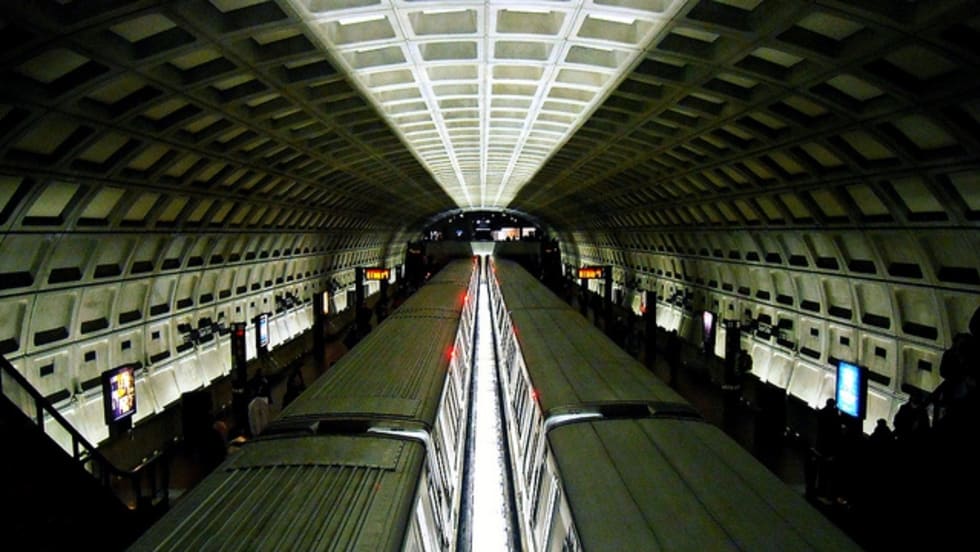
Starting early next month, in a process known as automatic train operation, computers will take over driving a half-dozen Red Line trains daily during non-peak hours, Metro GM Richard Sarles said.
Read More →

Reliance on antiquated signaling system adds to delays, inefficiency and safety risks, according to a regional research and advocacy group.
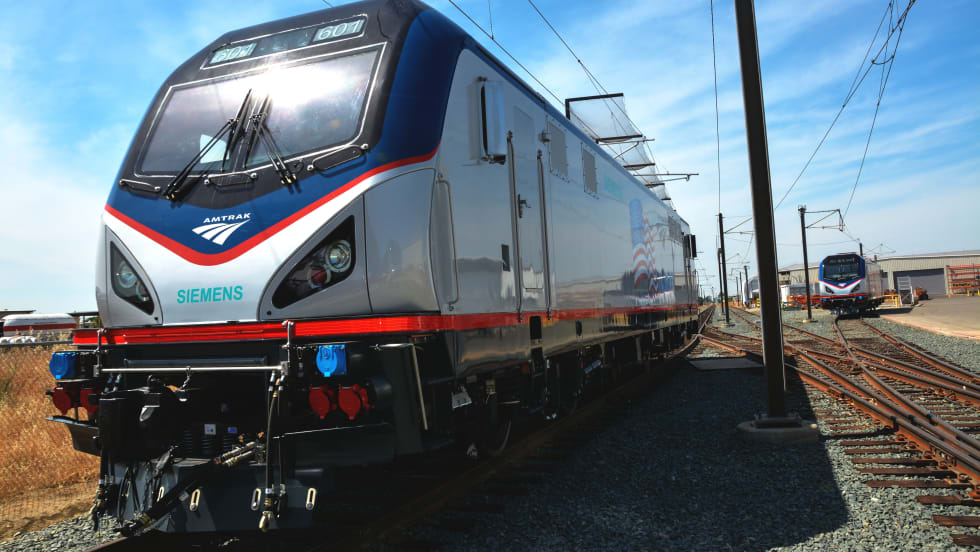
Read More →Electric locomotives are being assembled in Siemens’ Sacramento, Calif., rail manufacturing plant powered by renewable energy, with parts built from its plants in Norwood, Ohio, Alpharetta, Ga., and Richland, Miss., and nearly 70 suppliers, representing more than 60 cities and 23 states.
Read More →The 4G upgrade is already complete on Acela Express and the California-supported Capitol Corridor, Pacific Surfliner and San Joaquin services, and will be rolled out to all remaining Wi-Fi-equipped Amtrak trains by late summer, including the Northeast Regional.
Read More →Two Marshall University professors say their invention, which uses a combination of GPS devices, cameras and ground penetrating radar, will make inspection of railroad tracks safer, more accurate and less expensive than current methods.
Read More →Visitors in Amersfoort, Netherlands are getting the chance to experience first-hand, how the latest rail control and signaling systems work, such as the Interfolo 550 ERTMS regional solution, the latest EBI Switch point machine and EBI Track train detection systems, and Bombardier’s rail control application for stabling yards.
Read More →Hosted executive representatives from Class-1 freight railroads, commuter lines and the FRA for live demonstrations of the Trainguard PTC technology from July to September 2012 at the Transportation Technology Center near Pueblo, Colo.
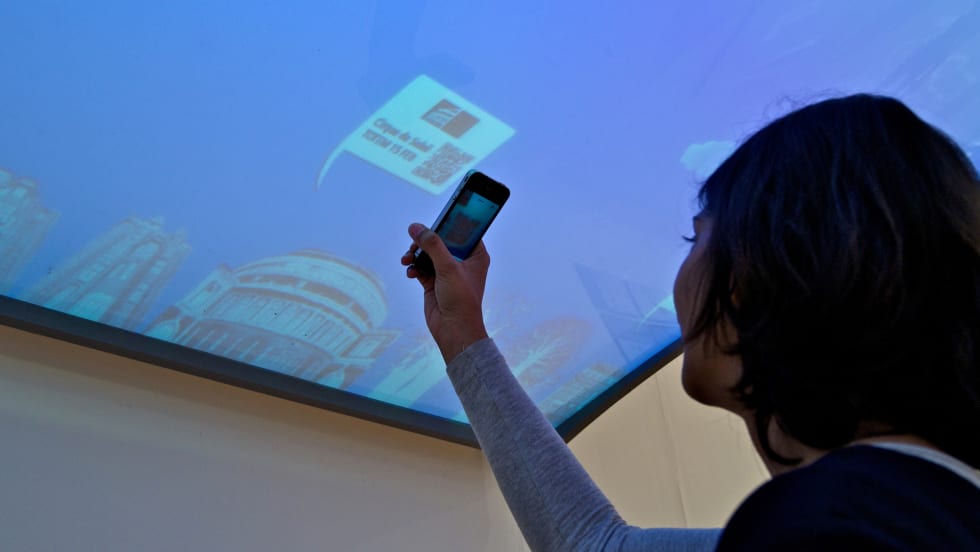
Read More →Canopy uses dynamic flexible "e-paper" display panels affixed to the interior of the train giving passengers a view of passing landmarks. The content, stored on an embedded PC in the train, is updated via Wi-Fi.
Read More →Tempo, the portfolio of rail signaling solutions, including the European Train Control System and computer-based interlocking system, are designed around a common failsafe, scalable, hardware and software platform, and an integrated suite of engineering tools.
Read More →Both operators of a coal train that struck the back of another Burlington Northern train that was stopped near Red Oak, Iowa, last April, fell asleep and missed signals to slow and stop.
Read More →