
Metro Magazine

 MENU
 SEARCHMENUSEARCH
Loading data...

In approving the spending reduction plan, the board acknowledged the measures might be nothing more than a one-year patch for the underfunded transit system.
Read More →


Officials have said that public funding has not kept pace with the demand for the service and cuts to regular bus service could be required without the changes to CARE.
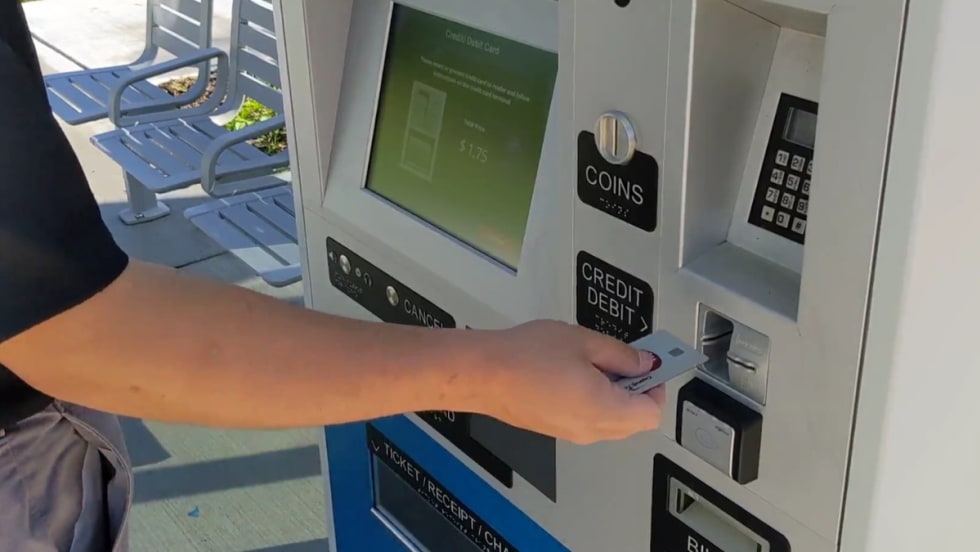
Read More →Cleveland and Nashville, both completing upgrades to their fare collection systems, believe that the resulting benefits of reduced boarding times is a critical achievement.
Read More →Beginning in early September, the agency will implement a pilot program that reduces fines, offers more payment options, a community service option in lieu of payment, and a new appeal window.
Read More →The price change, approved by the ORCA Joint Board, saves money and enhances convenience for customers who use multiple transit services in a single day.
Read More →Management initiatives will help reduce the existing $277 million deficit by $117 million and the proposed budget will close the remaining gap with anticipated work rule changes, health care reform and restraint in wage growth consistent with other metropolitan transit agencies.
Read More →Students using Carroll Area Transit System would have seen increases ranging from $50 to $217 a semester, depending on how often they use the bus and their proximity to the college. The increase was an attempt to reduce the amount of money the agency loses each semester from the program.
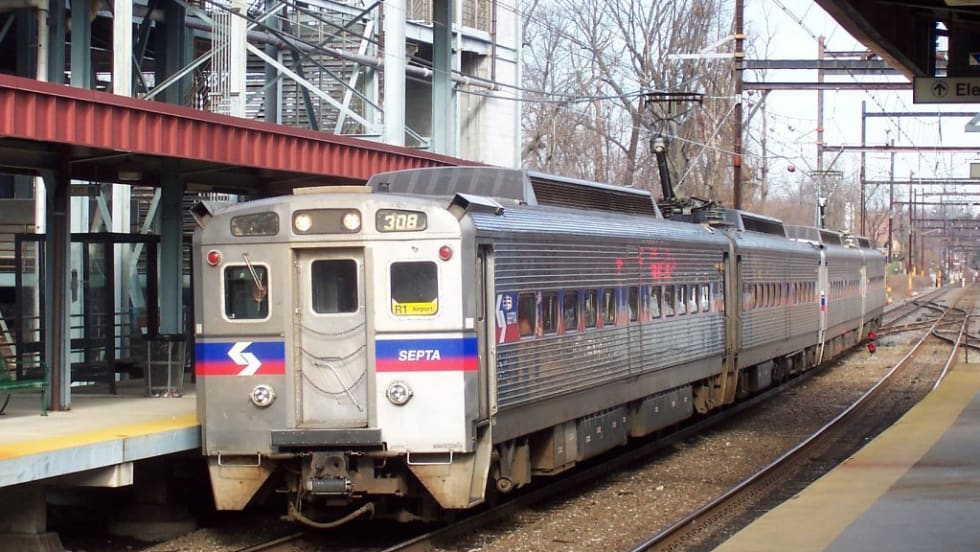
Read More →According to a SEPTA official, the exemptions made the program more nuisance than a benefit, with SEPTA receiving hundreds of claims a month, of which half were rejected.
Read More →With OC bus mobile, riders can now scan a QR code from their smartphones on the INIT validators to pay for fares when boarding.
Read More →OCTA customers will be able to validate their fare media on the OC Streetcar and OCTA Bus system.
Read More →