



Seattle's ORCA Updates Regional Day Pass Fare
The price change, approved by the ORCA Joint Board, saves money and enhances convenience for customers who use multiple transit services in a single day.


The cost reduction aligns with the reduction in fares for Sound Transit Express Bus service, now $3 per trip, and Community Transit’s reduced fare, now $1.
Photo: Sound Transit
Seattle’s ORCA is making the Regional Day Pass fare permanent, creating more affordable and accessible transit for riders across the region.
The price change, approved by the ORCA Joint Board, saves money and enhances convenience for customers who use multiple transit services in a single day.
Permanent Program Set to Launch
Effective March 1, the new ORCA Regional Day Pass will be available for just $6 for adult riders, and $2 for ORCA LIFT and RRFP senior and disabled cardholders, providing unlimited rides on participating transit services for one day for the cost of just two trips.
The fare adjustment, first introduced in 2024 as a promotional pilot, ensures that riders can travel seamlessly throughout the Puget Sound area all day long while enjoying significant cost savings.
“The new ORCA Day Pass gives you the freedom to travel anywhere, all day long, for six dollars,” said Christina O’Claire, the ORCA joint board chairperson and director of King County Metro’s Mobility Division. “The ORCA Day Pass also makes it easier than ever to seamlessly connect across transit modes — like buses, light rail, and on-demand services — and between transit agencies. For riders who have disabilities, have lower incomes or are seniors, the price is even lower: just two dollars a day to connect to unlimited opportunities.”
Aligning with Additional Fare Programs
The cost reduction also aligns with the reduction in fares for Sound Transit Express Bus service, now $3 per trip, and Community Transit’s reduced fare, now $1.
The new price reduction to the ORCA Regional Day Pass comes after a promotional period that launched last August 2024. The ORCA Day pass is accepted on most transit services, including buses and trains, throughout the region.
More Technology

Building a Flexible Path to Transit Electrification with BAE's John Hroncich
John Hroncich discusses BAE Systems’ modular and scalable approach, lessons learned from decades of real-world operations, and how agencies can identify electrification strategies that fit their fleets.
Read More →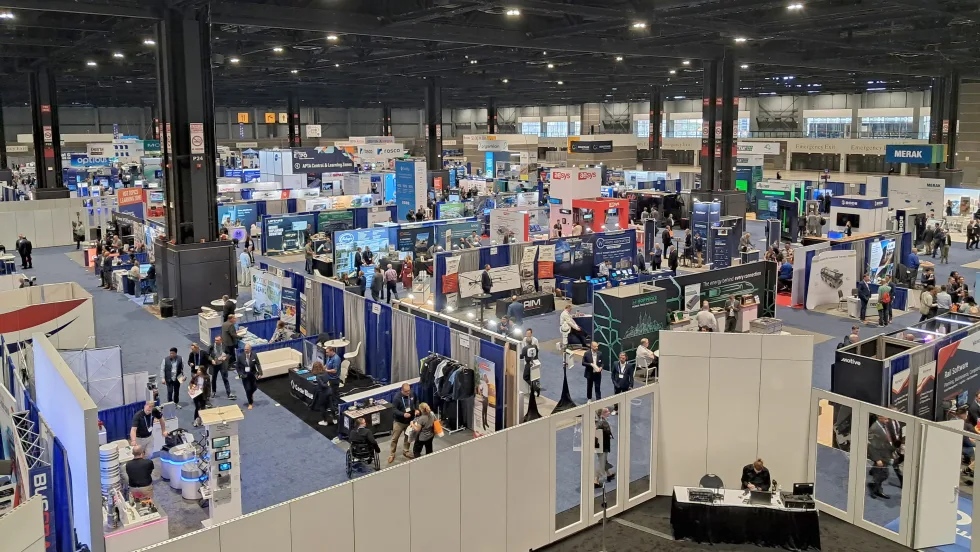
Scenes from APTA TRANSform & EXPO 2026
Transit leaders, manufacturers, and industry professionals gathered in Chicago to explore new technologies, share ideas, and discuss the future of public transportation.
Read More →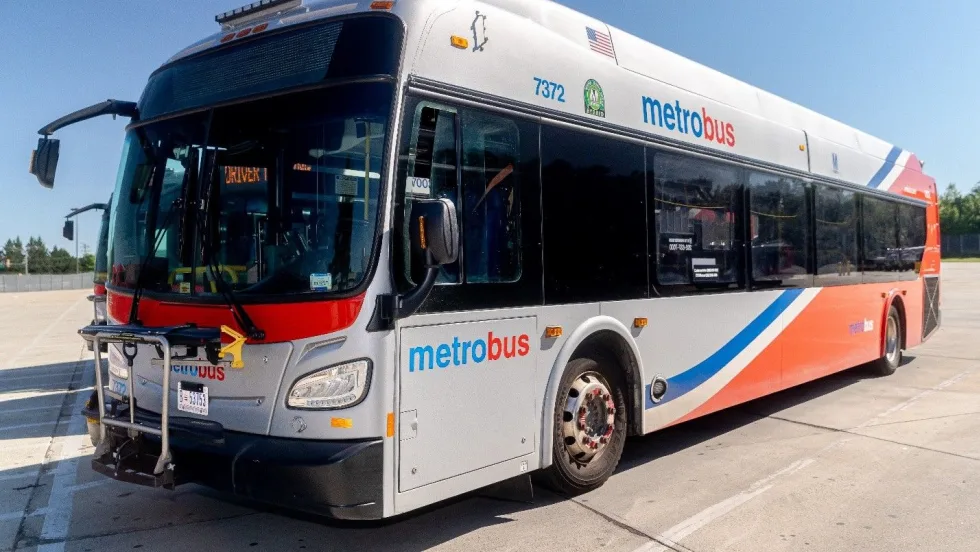
Biz Briefs: New Flyer Secures Additional 100-Bus Order from WMATA and More
In METRO's latest installment, we also take a look at recent news from Masabi, MCI, Samsara, and more partnerships making headlines across the transportation sector.
Read More →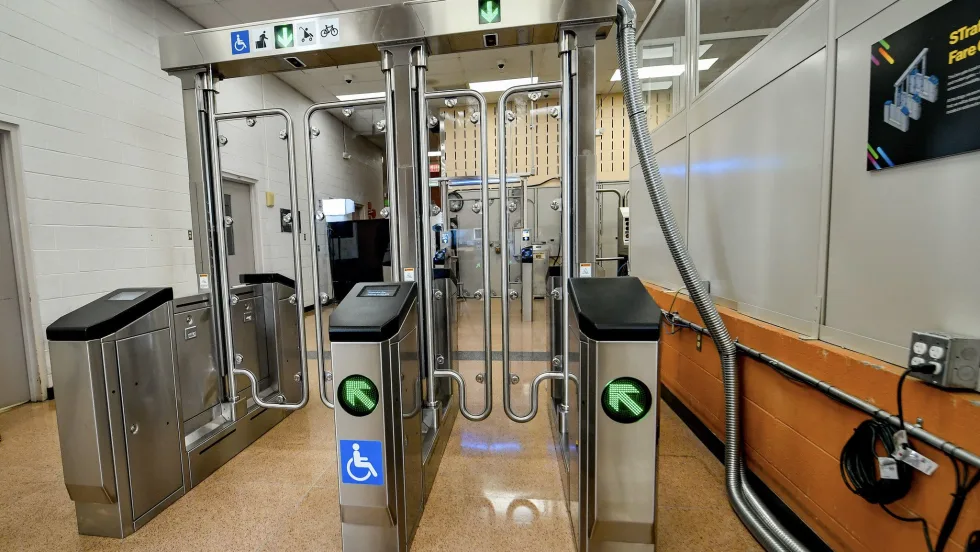
MTA Fare Gate Pilot Reduces Fare Evasion by 35%
Following a 20-station pilot, the agency plans to install new fare gates at 20 additional subway stations as part of a $1.1 billion modernization initiative.
Read More →
California Law Extends AC Transit’s Bus Lane Camera Enforcement
The new law allows AC Transit to continue using forward-facing bus cameras to enforce parking violations in bus-only lanes and at bus stops.
Read More →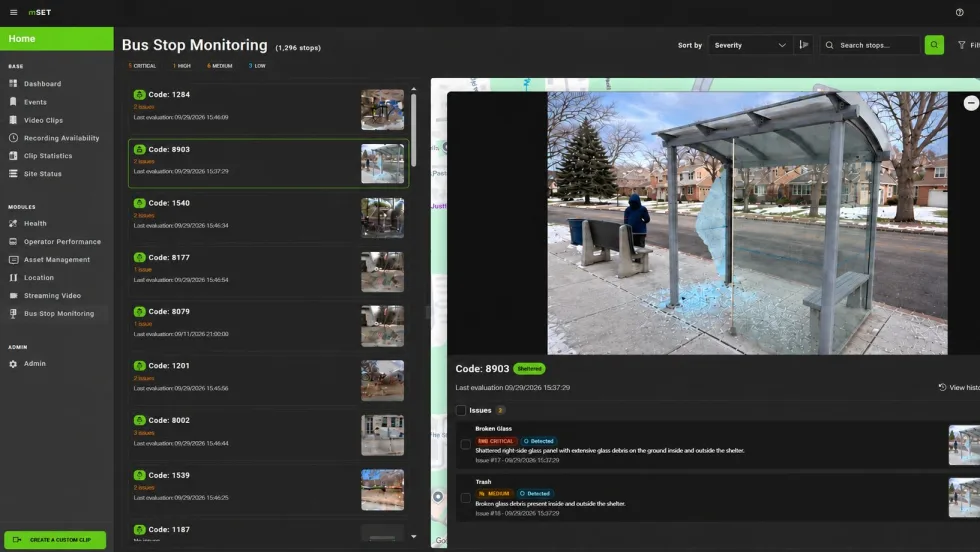
Biz Briefs: Luminator Launches AI Technology to Monitor Bus Stop Conditions and More
In METRO's latest installment, we also take a look at recent news from Masabi, Troman Industries, ioki, CCW, and more partnerships making headlines across the transportation sector.
Read More →
Public Transit Conference Returning to GFX in 2027, Call for Papers Now Open
The Call for Papers is now open, allowing transit agency professionals and industry experts to help shape the PTC educational program by submitting session ideas for consideration.
Read More →
ENC Lands MATA Contract and More in Biz Briefs
In this edition of Biz Briefs, we spotlight the latest developments shaping the future of mobility.
Read More →
Strada360’s Steve Lassey on Turning Transit Data Into Better Decisions
From breaking down data silos to preparing for AI, Strada360 CEO Steve Lassey discusses how transit agencies can use technology to improve operations, customer information, and long-term decision-making.
Read More →
Almaviva Looks to Open Architecture to Advance Transit Technology
Eric Reese discusses how interoperability, open architecture, and modular design can help transit agencies control costs, reduce vendor lock-in, and upgrade technology without starting over.
Read More →