
Metro Magazine

 MENU
MENU SEARCHMENUSEARCH
Loading data...
The selected projects include solutions such as implementing new cleaning and disinfecting protocols, contactless payment systems, and modernized data collection.
Read More →

The goal of the pilot program is faster delivery of new transit infrastructure projects.
Read More →Funding is provided through the Coronavirus Response and Relief Supplemental Appropriations Act of 2021 (CRRSAA) (H.R. 133), signed in December.
Read More →The project consists of a 26.6-mile second track on NICTD’s South Shore commuter rail line between Gary and Michigan City.
Read More →With this announcement, FTA has advanced funding for 41 new CIG projects throughout the nation under this Administration, totaling approximately $10.7 billion in funding commitments.
Read More →The funding, provided through FTA's Pilot Program for Transit-Oriented Development Planning, will help support nine planning projects in seven states.
Read More →The Milwaukee County project is a nine-mile BRT line from downtown Milwaukee to the Milwaukee Regional Medical Center, of which a four-mile segment will operate in exclusive bus lanes.
Read More →Specifically, FTA will extend access to emergency relief funding for operations and allow more time for transit agencies to meet certain regulatory requirements.
Read More →The primary goal of the Real-Time Asset Management Program is to enhance asset management of infrastructure and safety by deploying innovative technologies that can provide real-time condition assessment of transit capital and facilities.
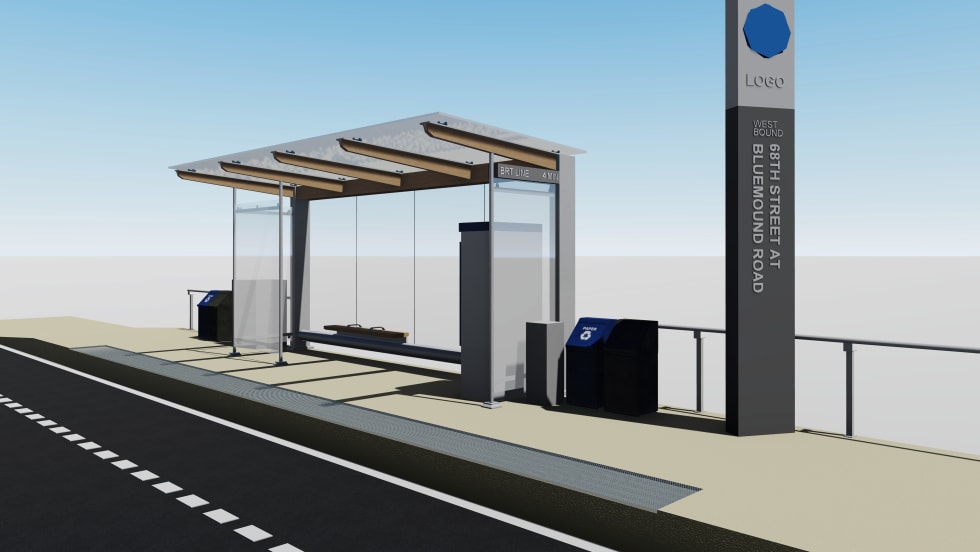
Read More →The $3.995-million project will improve the customer experience and the safety of riders with bus shelters, a bikeshare station, and innovative sustainability features.
Read More →