
Metro Magazine

 MENU
MENU SEARCHMENUSEARCH
Loading data...

The company will provide expertise on energy efficient motors and transformers to help governments devise policies that accelerate energy savings.
Read More →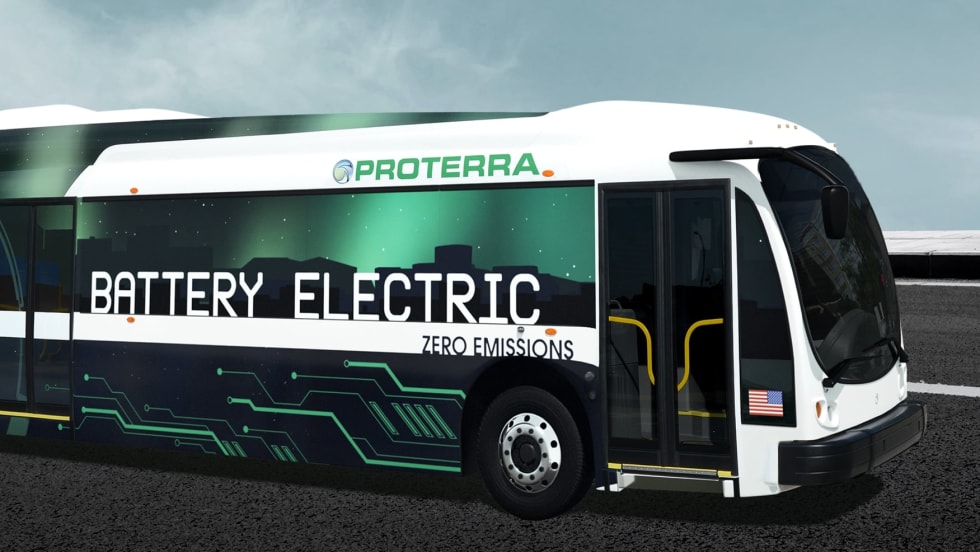
Proterra buses will use Toshiba’s Rechargeable Batteries (SCiB™), a safe rechargeable battery solution with high-rate performance and long-life capabilities that is used in a wide range of applications, from EVs to grid energy storage.
Read More →
Following a one-year trial period, King County Metro has option to purchase up to 200 more buses and additional fast-charge systems, depending on the outcome of the demonstration.
Read More →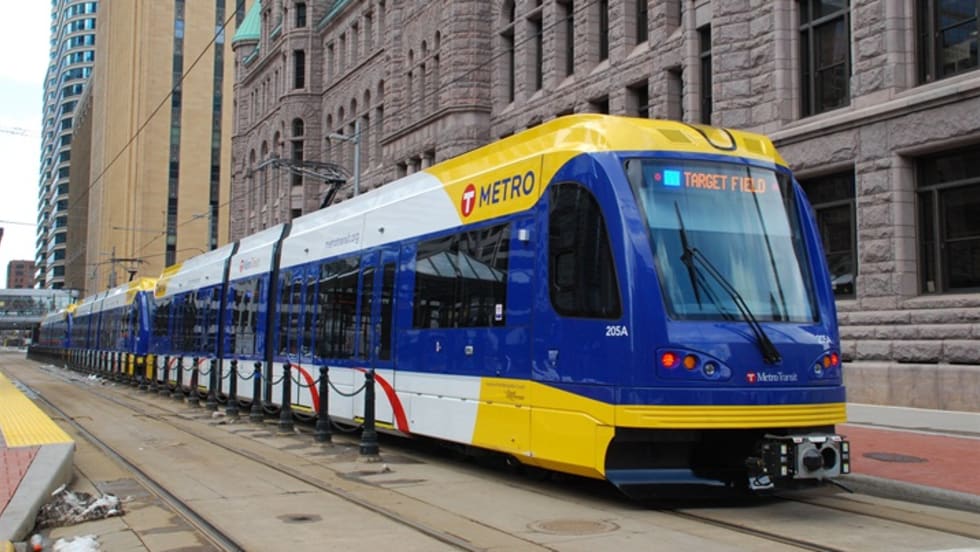
Depending on the level of achievement, organizations were presented Gold, Silver and Bronze level certifications by APTA Chair Peter Varga at the APTA Sustainability and Public Transportation Workshop, which is being held at the Omni Parker House Hotel in Boston.
Read More →

Switching our bus fleet to compressed natural gas from liquefied natural gas and diesel was a carefully weighed decision at DART. But in the end, it was a no-brainer: go with the fuel source that will promote clean air while saving taxpayers $120 million in fuel costs over the next 10 years.
Read More →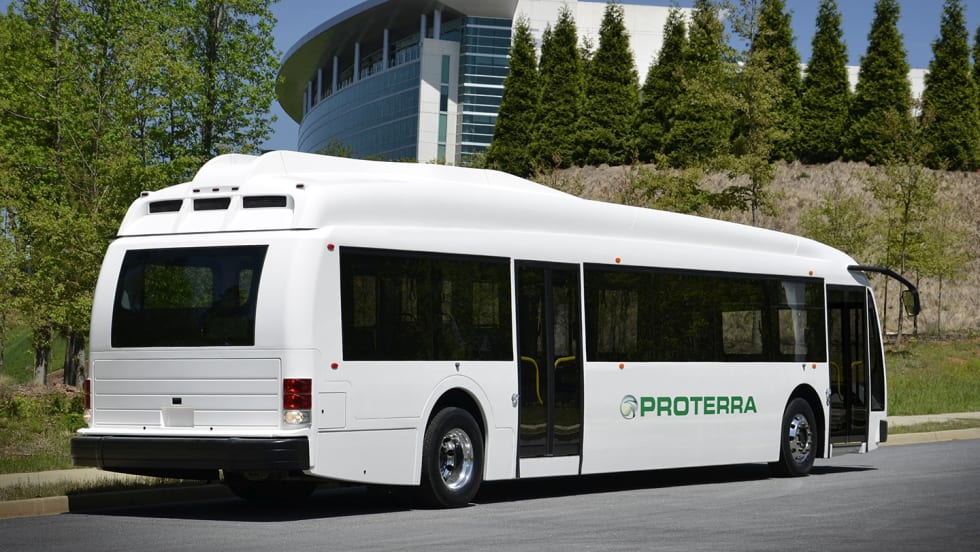
Foothill Transit became Proterra’s first customer and the first agency in the U.S. to operate EV buses in revenue service in 2010.
Read More →
APTA first started the event in June 2006 when gas prices had reached $3 per gallon and the public demand for public transportation was growing in response to high gas prices.
Read More →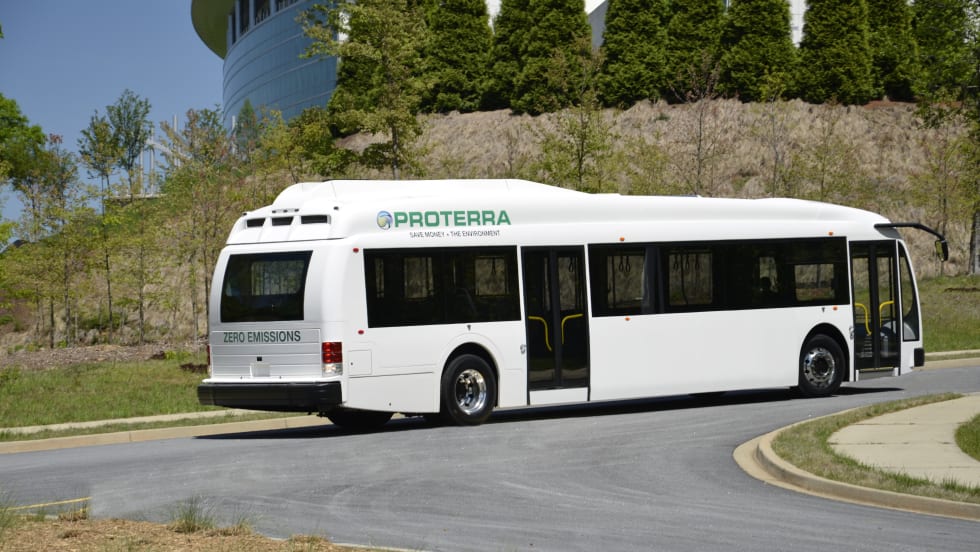
The second generation electric vehicle — a 40-foot transit bus — will be the lightest, most efficient and highest passenger capacity coach in its class.
Read More →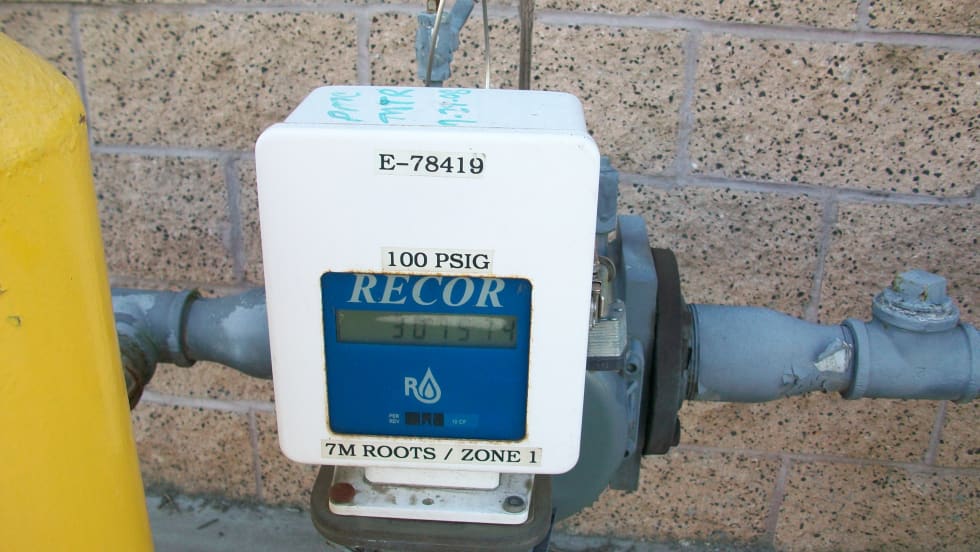
Maintenance facilities are the operational backbone of transit agencies, helping wash, clean and maintain thousands of buses, railcars and ferries each and every day. This regular maintenance makes them huge consumers of water and energy (and money). Many cities across the country are mandating transit agencies create more efficient facilities not only as good stewards of the environment, but also to help the bottom line.
Read More →