
Metro Magazine

 MENU
MENU SEARCHMENUSEARCH
Loading data...

One of his greatest accomplishments was his leadership of WMATA following the September 11 attacks.
Read More →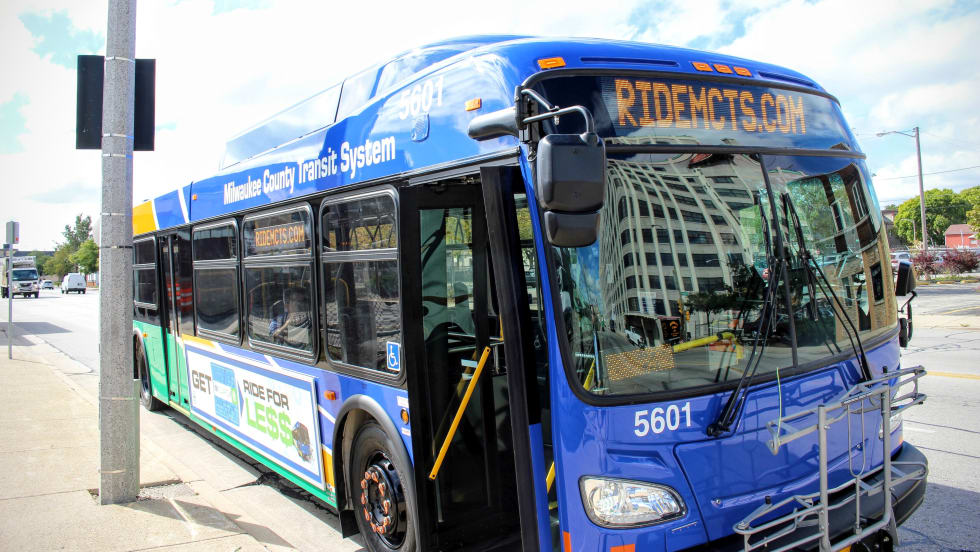

MCTS Excellence began in late 2016 as a video series posted on the company’s website and official social media accounts
Read More →The award is given to a public transit agency demonstrating innovative concepts in the provision of public transportation services.
Read More →With current and future projects seeking $27 billion in funds, Congress urged to provide funding at or above FY2019 levels.
Read More →Virginia-based agency earned the award in the small urban system category characterized by annual ridership of four million or less.
Read More →Vancouver, Wash.-based agency increased total ridership by 4.63% during the past two years, one of key achievements factored in.
Read More →Oversaw transformation of culture to “Customers First and Business Optimization,” and improving organizational performance.
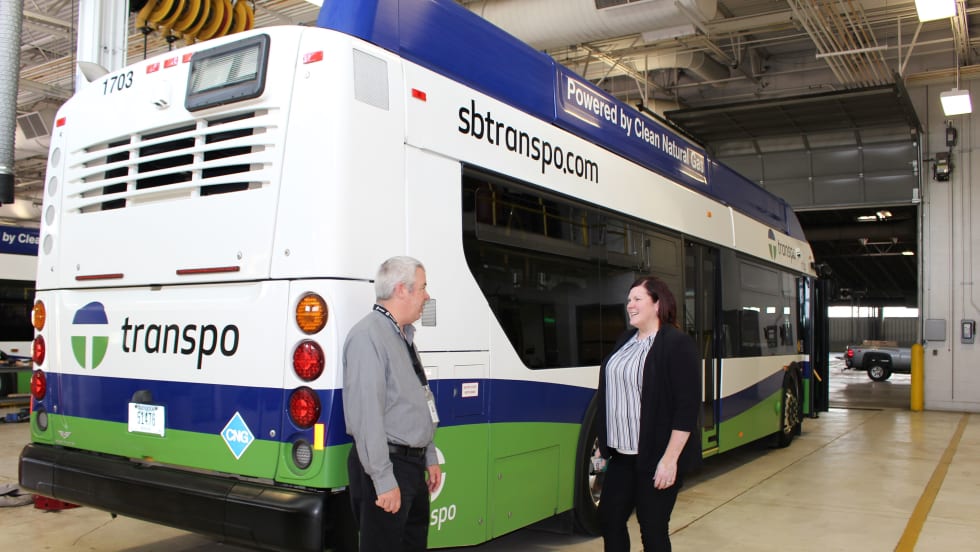
Read More →Under her leadership, Transpo has rebranded, transitioned to designated bus stops, and launched programs to increase ridership.
Read More →The annual event was hosted in Toronoto and aims to encourages excellence and professionalism in rail transit operations.
Read More →LIRR, Miami-Dade, and Houston Metro were top winners in safety category. DART, Sound Transit, and WMATA named tops in security.
Read More →