
Metro Magazine

 MENU
MENU SEARCHMENUSEARCH
Loading data...
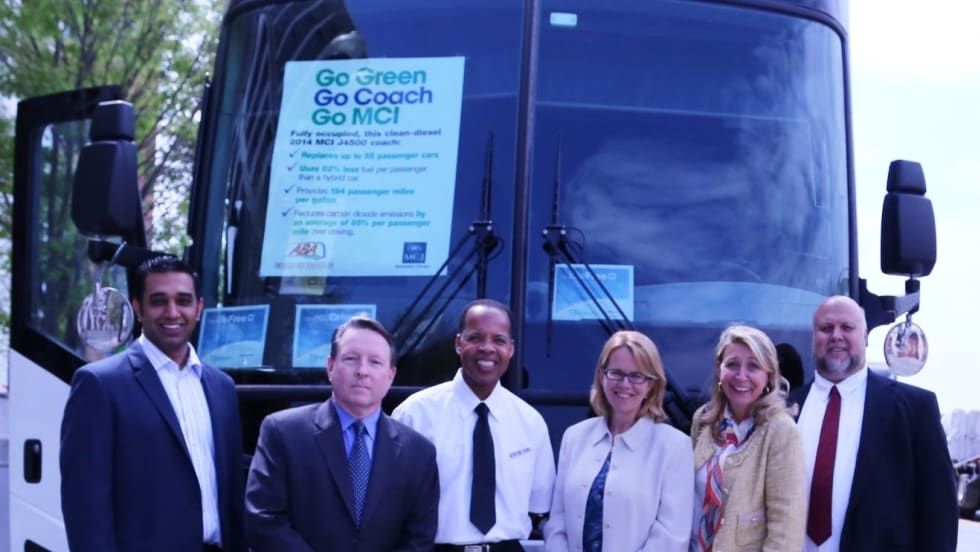
With its new J4500, Adventure Tours joined the American Bus Association and MCI in promoting green travel at the U.S. Department of Transportation’s Earth Day Fair on April 22. The operator recently took delivery of two new wheelchair-lift-equipped J4500 coaches.
Read More →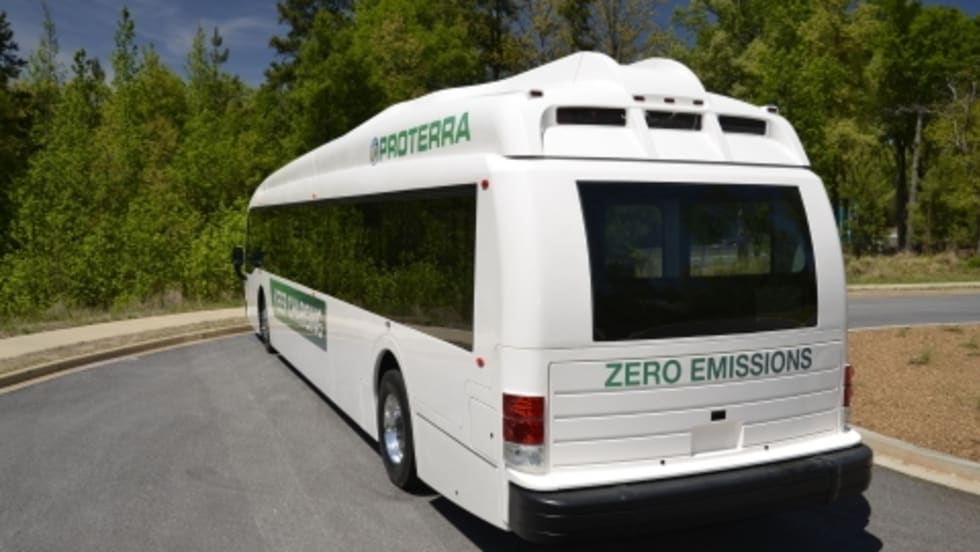
The battery-electric bus traveled more than 700 miles in 24 hours and recorded an average fuel economy of nearly 27 miles per gallon — nearly six times that of a diesel bus and seven times that of CNG, according to company officials.
Read More →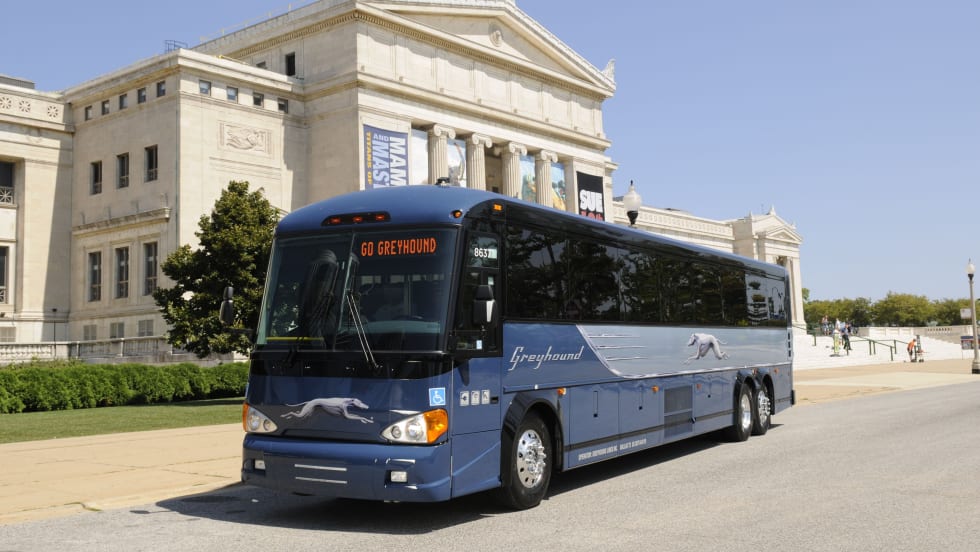
Motorcoaches average nearly 240 passenger miles per gallon, while intercity rail averages 85, commuter rail 90, transit buses 70, domestic air travel 55 and single-occupant cars 28, according to the study.
Read More →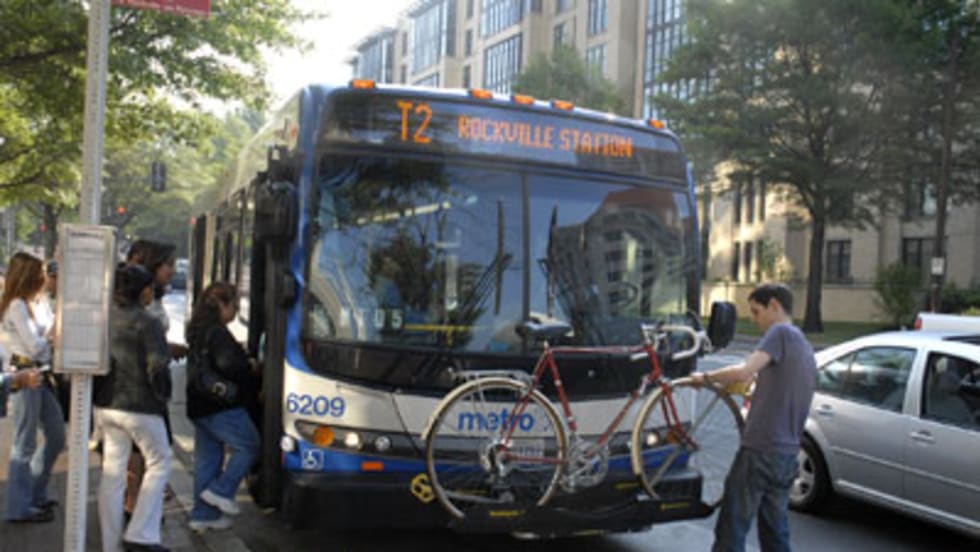
Other targets set by the new initiative include increasing Metro ridership 25% by 2025; increasing greenhouse gas displacement by 10% by 2025; and reducing water use per vehicle mile by 20% by 2025.
Read More →
Also announces a new initiative, the Massachusetts Offers Rebates for Electric Vehicles program, which will provide rebates of up to $2,500 for plug-in hybrid and electric vehicles.
Read More →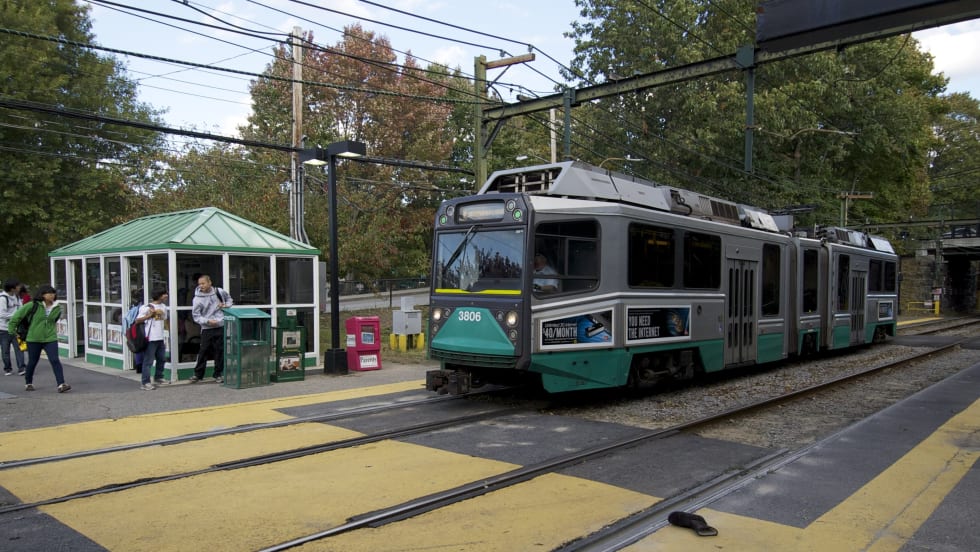
The Green Line Extension will include seven new stations, the addition of 4.5 miles of light rail track and the development of two facilities, with emphasis placed on developing and implementing sustainable solutions wherever possible.
Read More →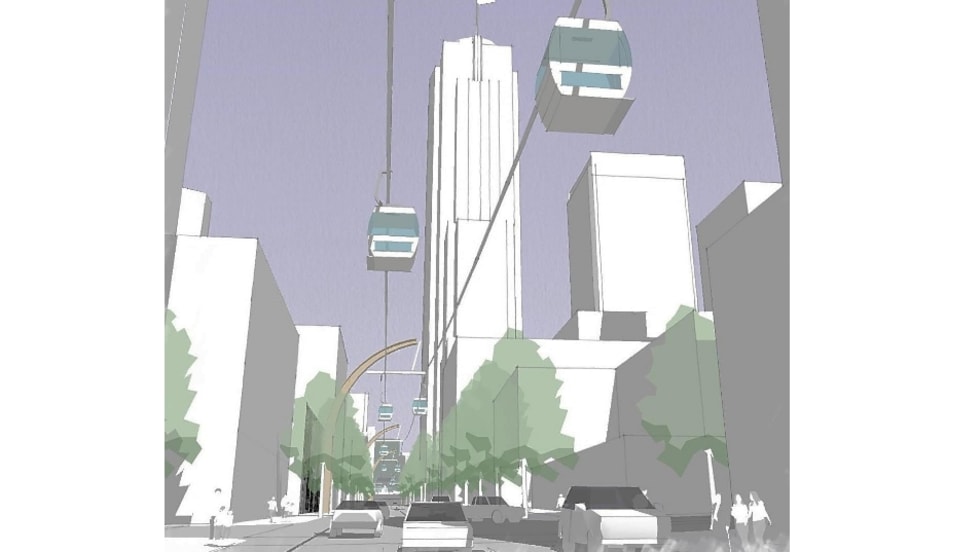
The half-mile long Union Street Gondola will be able to move 1,800 people an hour and will be funded solely through private investment.
Read More →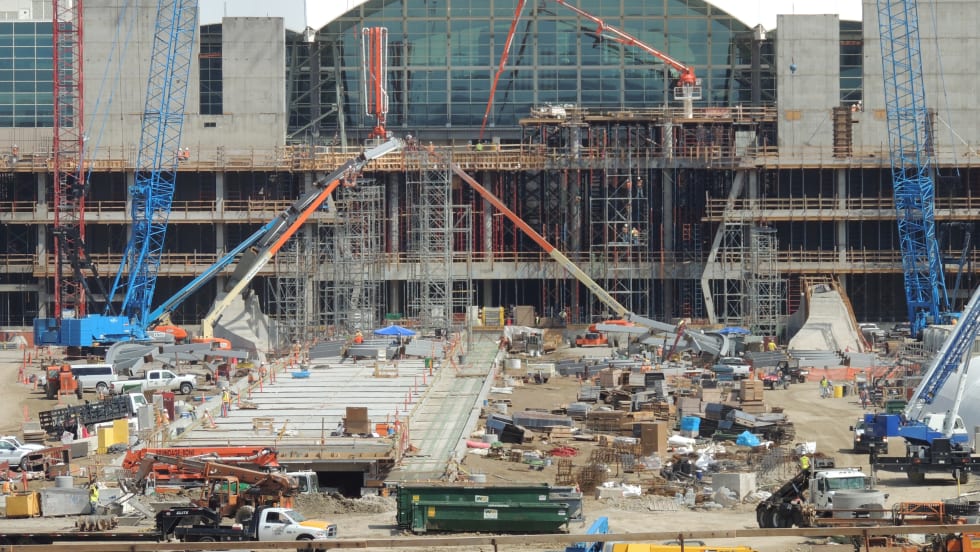
Transit agencies increasingly want third-party validation of their sustainability efforts. They understand that to make improvements, they need to measure what they’re doing. And, that takes special skills and a trained eye. But, finding just the right fit between an agency and an outside advisor/auditor can be challenge.
Read More →
On a recent demonstration route, HyperCharger recorded an average of eight charges and 240 miles per day utilizing 100% on-route charging.
Read More →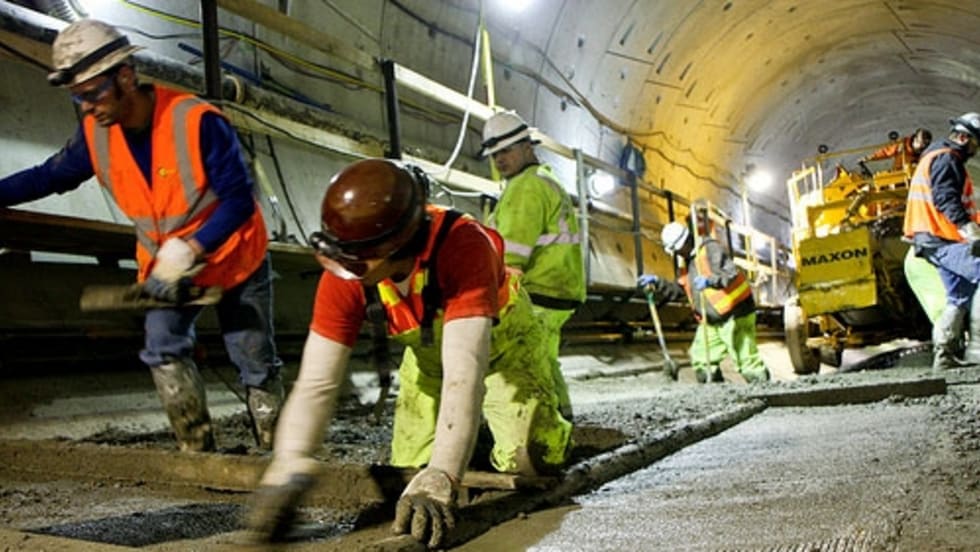
Big transit projects often cite reduced carbon pollution as a main selling point to the public. But to take environmental stewardship to the next level, we should look past tailpipes and smokestacks and focus our attention on what goes into these civil engineering marvels. Namely, a lot of concrete.
Read More →