
Metro Magazine

 MENU
 SEARCHMENUSEARCH
Loading data...

The Yuma MPO voted to end its transit and paratransit systems effective June 30, due to the loss of revenue sources from state lottery money and federal and local funding.
Read More →

Assessment includes a review of topics such as an agency's security plans, security training, drills/exercise programs, public outreach efforts and background check programs. Systems honored include N.Y. MTA, Boston’s MBTA and San Francisco’s BART.
Read More →The customizable simulator creates lifelike situations to help drivers get experience they normally wouldn't have. For instance, drivers trained in the summer time can still get experience driving in snow and ice.
Read More →Trabold’s background encompasses work on many key infrastructure projects, including New York City Transit’s enhanced station initiative.
Read More →Menard discusses how data-driven signal prioritization is improving efficiency, reliability, and ridership, while offering insight into the innovations driving the next generation of smart mobility. Together, they explore how technology and collaboration are paving the way for a more connected, sustainable future in transit.
Read More →A new advisory group of current and former city leaders will collaborate on funding strategies, technology deployment, and best practices to modernize U.S. public transit systems.
Read More →On April 30, Ari Megaro was driving his bus when he observed a small boy on a foot-powered scooter riding on the sidewalk alongside his Line 12 bus. During the incident, he was not aware that seven-year-old Danny Eichberg has autism.
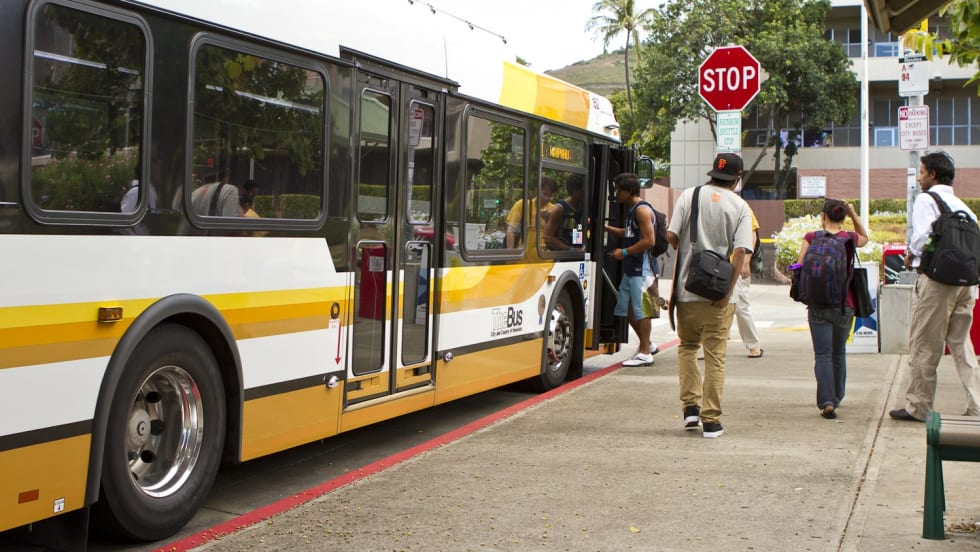
Read More →A recent transportation survey conducted at the University of Hawaii at Manoa shows that, while most students still drive to campus, with promotion of sustainable modes of access to campus, the number of students who took public transit increased to 17 percent.
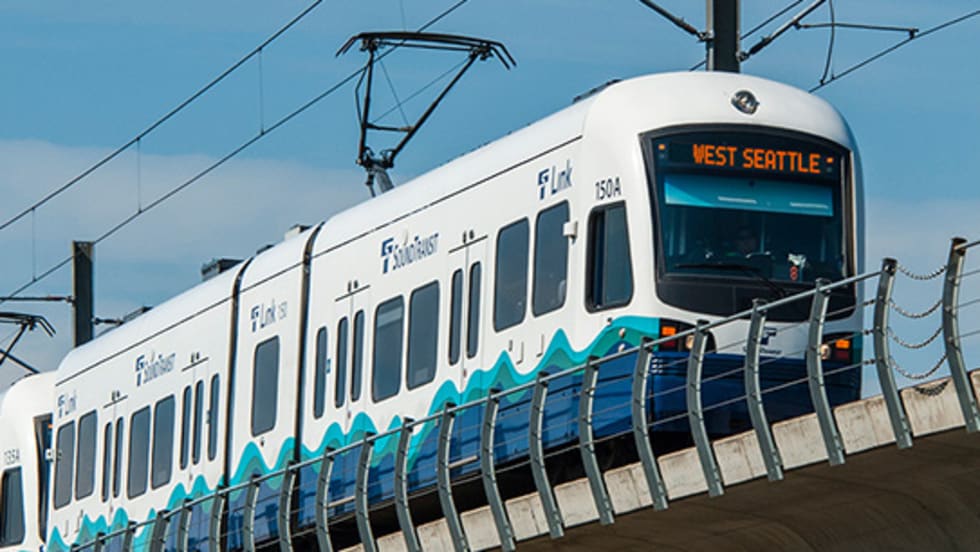
Read More →Also in a related action, the board executed a $24.4 million consultant contract with HNTB Corp. to begin project development services.
Read More →The proposed changes to the state's second-largest public transit system came as a result of overwhelming input of riders who asked for a flat fare, single-zone pay-on-enter system.
Read More →