
Metro Magazine

 MENU
MENU SEARCHMENUSEARCH
Loading data...
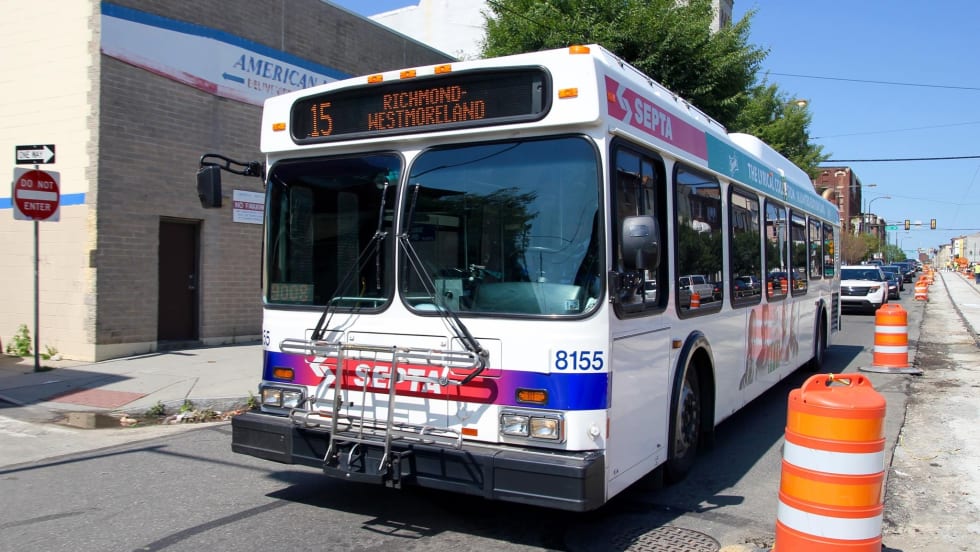
With the retirement of the diesel buses, the authority transitions to a fleet comprised entirely of state-of-the-art electric and hybrid models.
Read More →
Work is now underway on a 2025 Investment Plan that seeks a long-term solution to help TransLink keep up with unprecedented population growth.
Read More →
The GILLIG hydrogen fuel cell bus, which is currently in development with BAE System and Ballard Power Systems, will provide transit agencies with zero-emission operational range, rapid refueling capabilities, and reliable performance in diverse climates and terrains.
Read More →
In accordance with NJ TRANSIT’s 10-Year Strategic Plan, “NJT2030,” the Sustainability Plan prioritizes environmental responsibility while also highlighting deliverable benefits to customers in the communities it serves.
Read More →
The hybrid-electric solution will continue to provide transit agencies with a proven and cost-effective technology that reduces fuel use and emissions, according to the companies.
Read More →
The fleet enhancements are at the forefront of Metro's sustainability efforts, which reflect a continued strategy toward greener, more efficient transit operations.
Read More →
Evans is responsible for leading the national bus practice for transit and rail and for developing strategies associated with WSP’s thought leadership and emerging technologies.
Read More →
The plan is part of TransLink’s newly released Bus Priority Vision, which identifies solutions to improve bus efficiency while highlighting the need to make buses more reliable in Metro Vancouver.
Read More →
As president, Brent Phillips will lead the sales, assembly, procurement, and engineering teams, while also clearly setting the direction and expansion of the company's sales and operations programs.
Read More →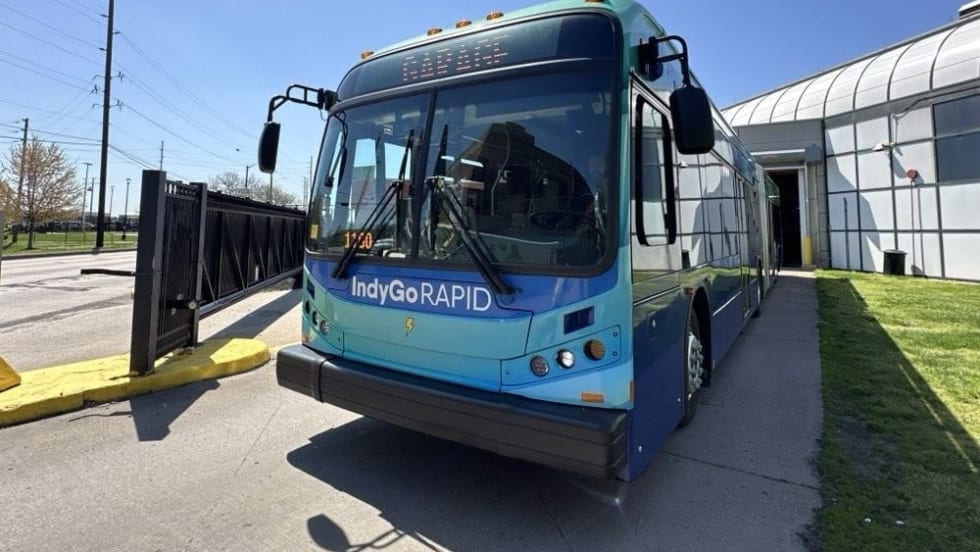
To further reduce emissions, the agency will produce a portion of the daily energy required to charge the rapid transit vehicles from the solar panels on top of IndyGo’s West Campus facility.
Read More →