
Metro Magazine

 MENU
MENU SEARCHMENUSEARCH
Loading data...
Has cut its service by 37% over the past three years, but hopes to increase ridership by making its services more productive.
Read More →
Starting next month, bus fares will increase by 25 cents per trip. Fares for commuter, vanpool and Dial-A-Ride services will also increase.
Read More →Community Transit’s draft six-year Transit Development Plan for 2013-18 calls for the increase by 2017, while adding no significant new service growth.
Read More →Outfitting all its buses with GPS, automatic passenger counters and other technology that will improve operations, and eventually allow customers to get real-time bus information by phone, computer or mobile device.
Read More →The trips come after Community Transit drastically cut service over the past two years in response to declining sales-tax revenue. Much of that service was on local routes.
Read More →Transit agencies’ lost and found departments catalog, store and sometimes track down the owners of items left on buses and railcars.
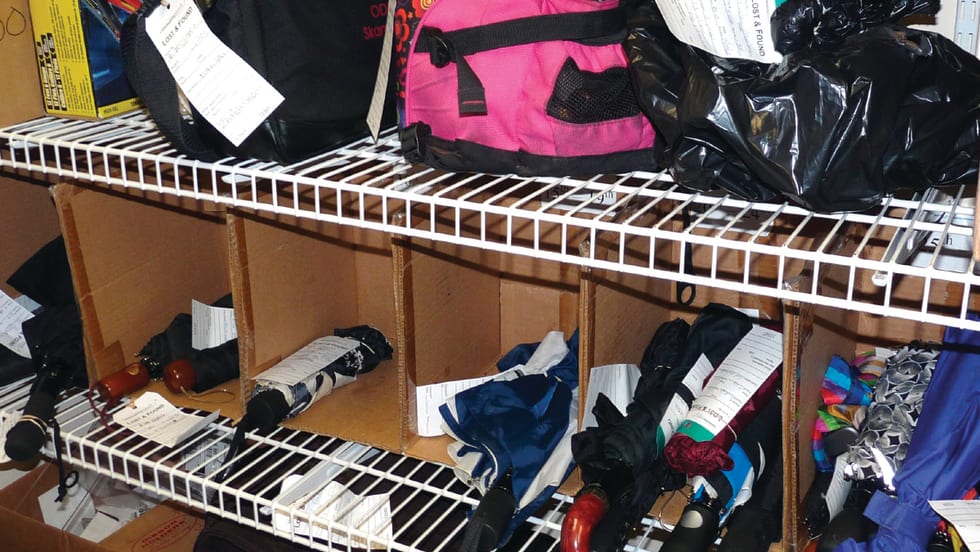
Read More →Community Transit’s lost and found receives up to 8,000 items a year. Among the more unusual items are false teeth, bicycles and cat carriers.
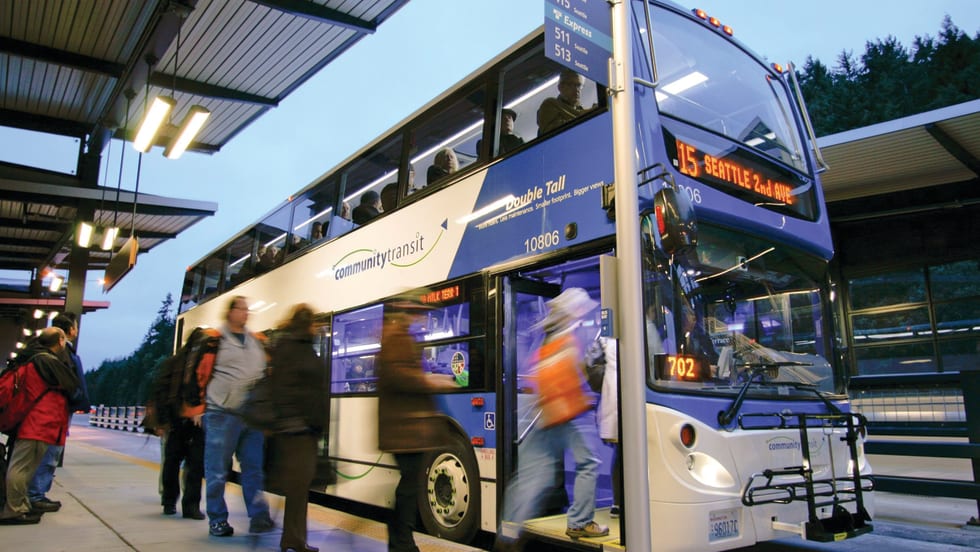
Read More →The 23 buses, dubbed the “Double Talls,” are replacing 60-foot articulated buses that were manufactured in 1998 and are beyond their federal replacement schedule. The vehicles will seat more passengers than the buses they are replacing, require less maintenance and less fuel than the buses they are replacing.
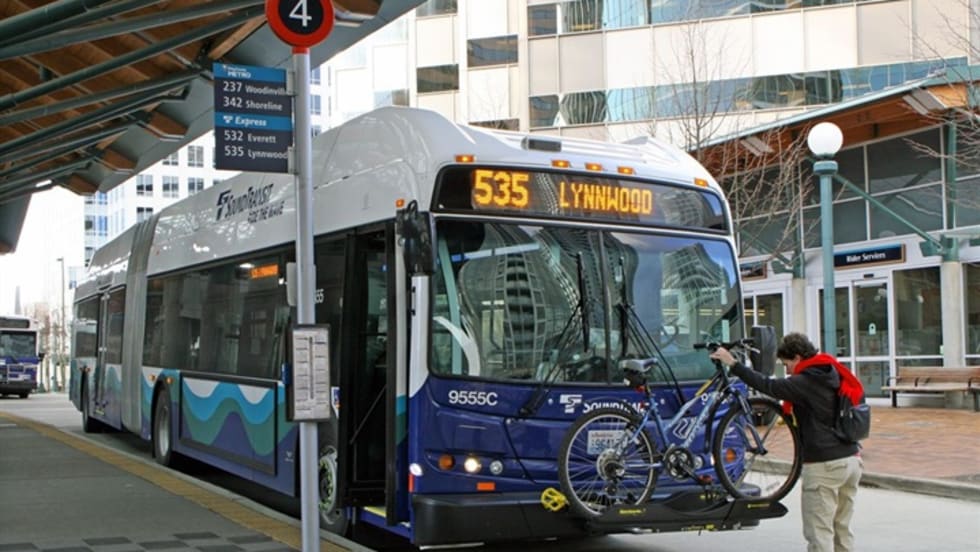
Read More →Board members authorized $16.9 million for the purchase of 24 40-foot hybrid buses from Gillig Corp., and $8.1 million for 10 60-foot clean diesel buses from New Flyer.
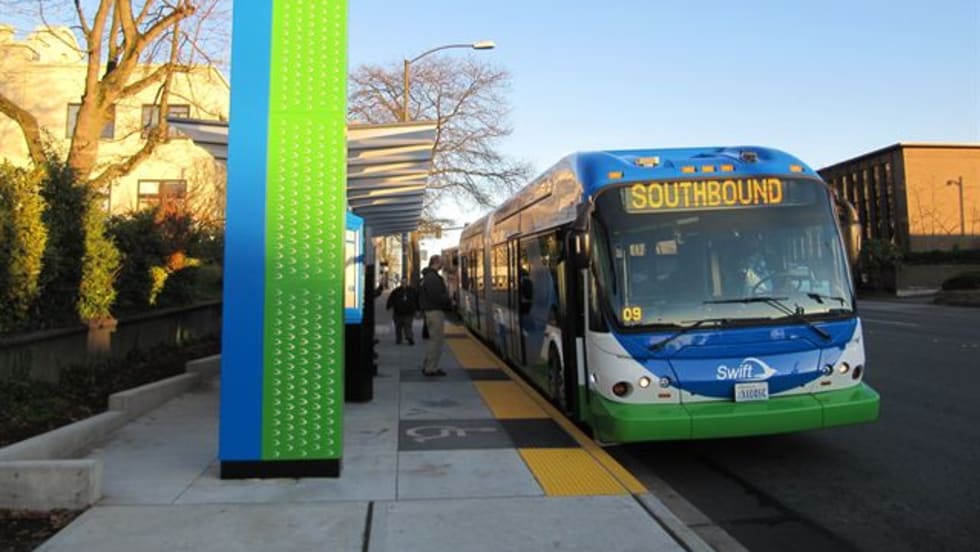
Read More →The first of four new stations were in the original plan for Swift, the agency's bus rapid transit system, which opened in November 2009, but were deferred due to funding issues.
Read More →