
Metro Magazine

 MENU
MENU SEARCHMENUSEARCH
Loading data...
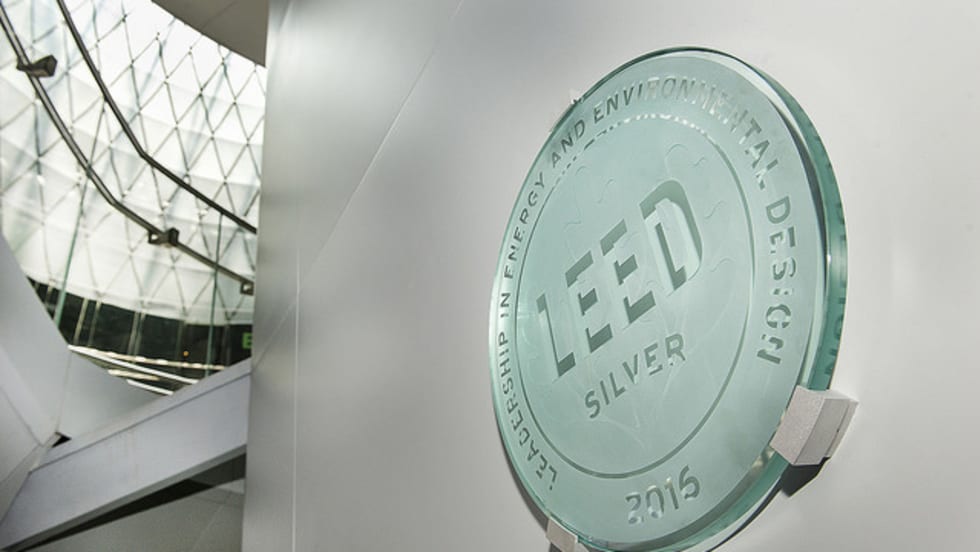
It achieved LEED® certification for implementing practical and measurable strategies in sustainable site development, water savings, energy efficiency, materials selection and indoor environmental quality.
Read More →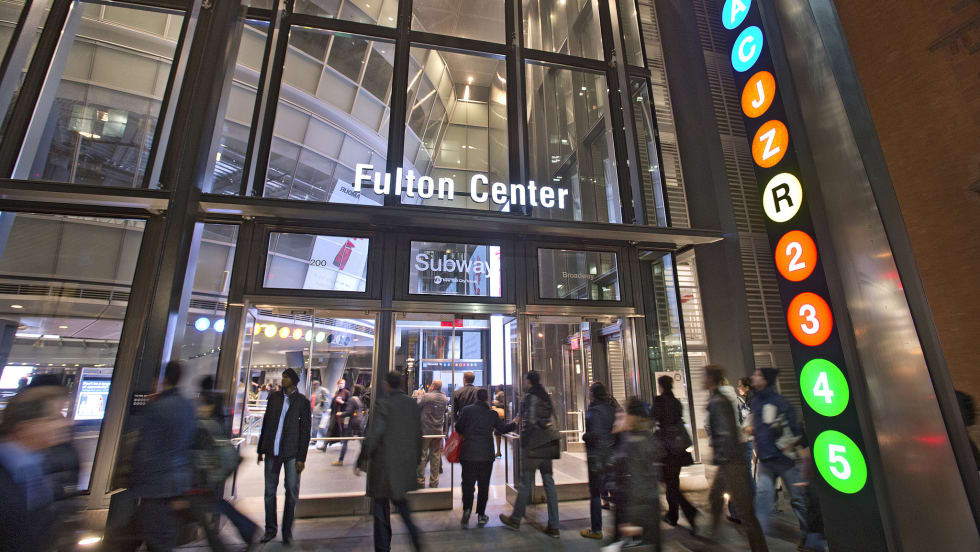
This is the first subway station in New York to receive the honor from the U.S. Green Building Council.
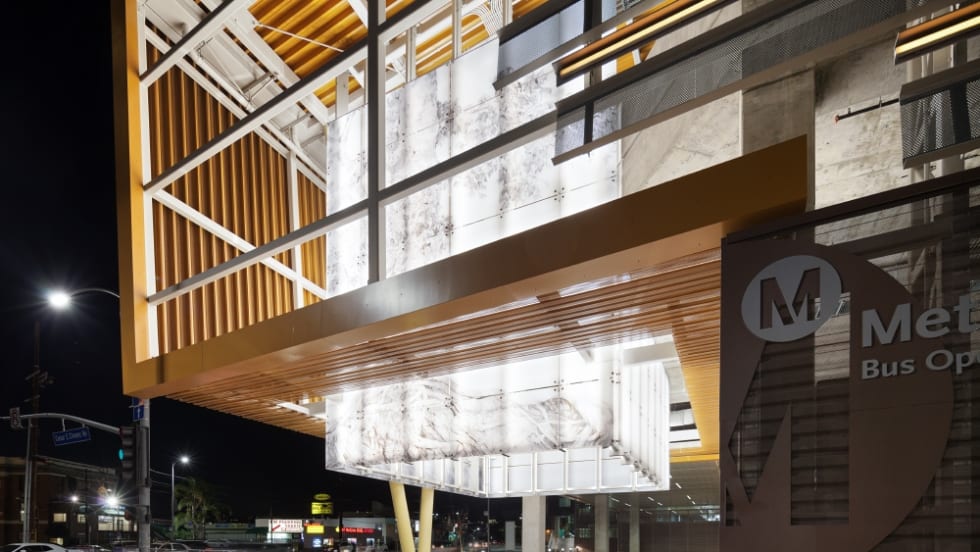
Read More →LA Metro's new Division 13 facility, designed by RNL, serves as a bus maintenance, operations and service facility with a multi-level parking garage that accommodates 200 CNG buses, fueling equipment, transportation offices and support areas.
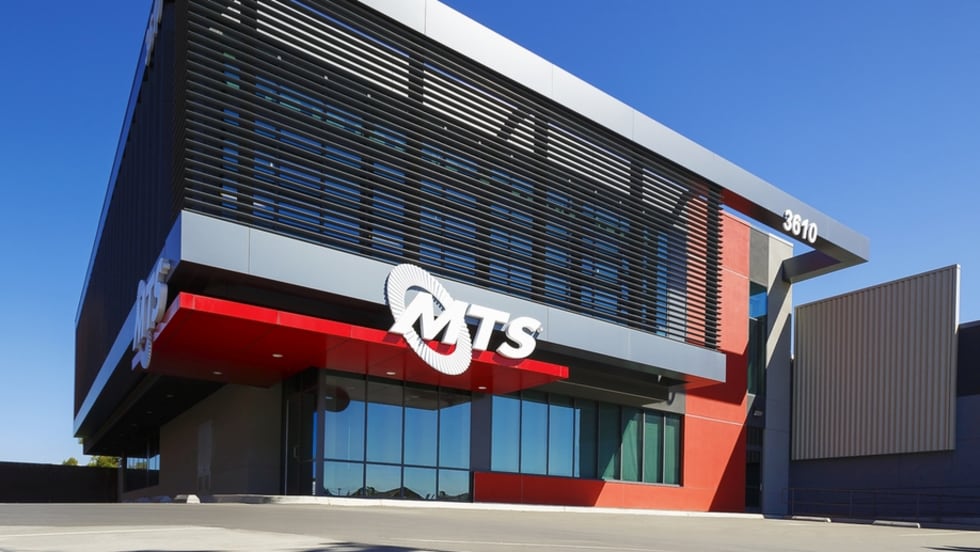
Read More →The Hesperia, Calif.-based Victor Valley Transit Authority earned the award for the environmental-friendly design and construction of two separate buildings on its 10-acre facility.
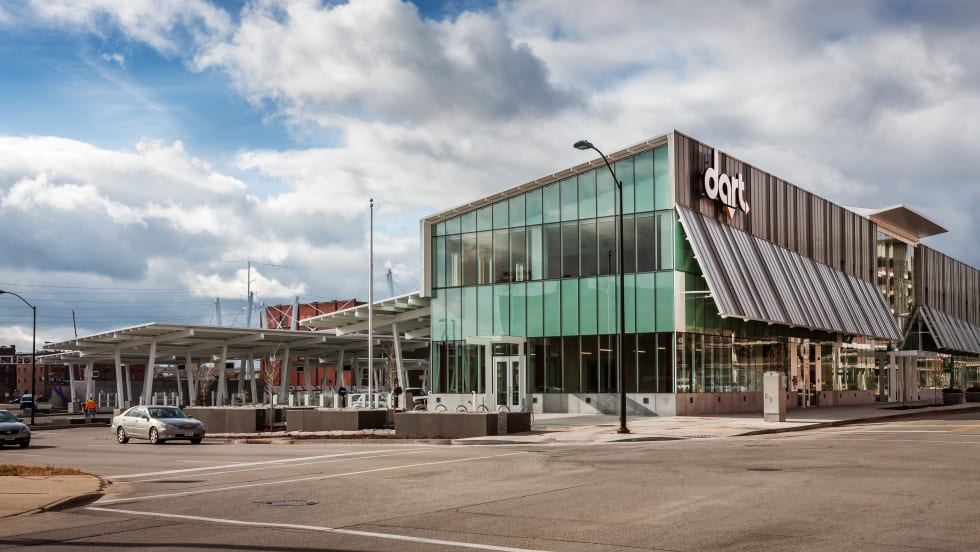
Read More →The Des Moines Area Regional Transit Authority's LEED Platinum-certified Central Station in downtown Des Moines is the primary transfer location betweeen routes and includes the Customer Service Department and Administrative Offices. The station, which opened in November 2012 features many amenities including climate-controlled waiting areas, covered loading platforms, a bicycle storage room and Java Joe’s CoffeeHouse.
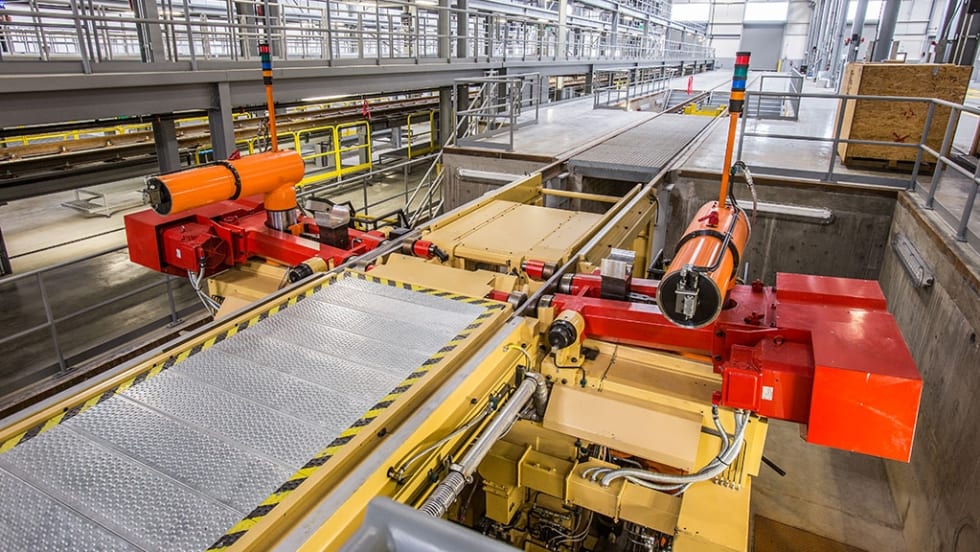
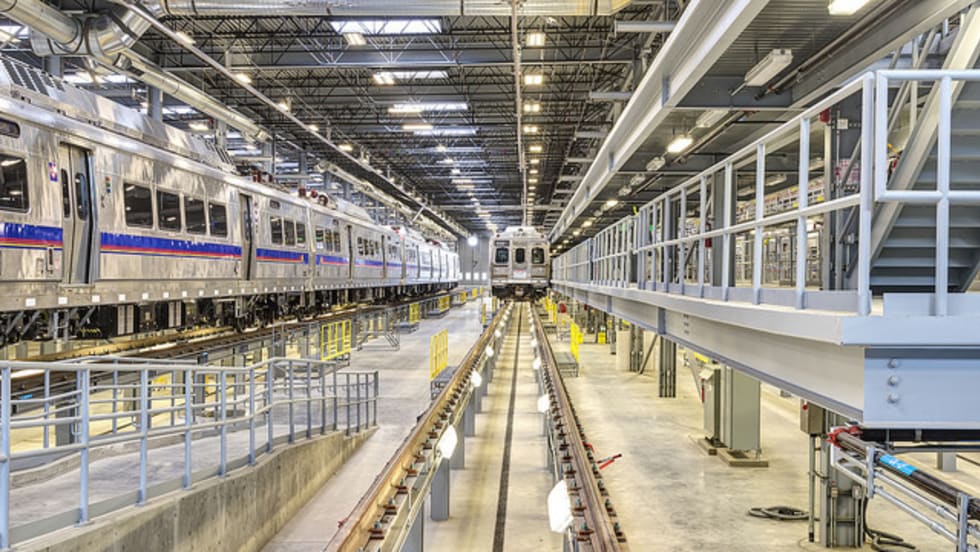
Read More →The Commuter Rail Facility (CRMF) sits on 30 acres and is 230,000 square feet. Approximately 240 mechanics, operators and other staff will work out of this state-of-the-art, LEED Gold-certified building.
Read More →Sustainable features of the CRMF include efficient mechanics and lights for energy savings, water-efficient plumbing fixtures for reduction in water usage and specially designed windows that prevent thermal transfer.
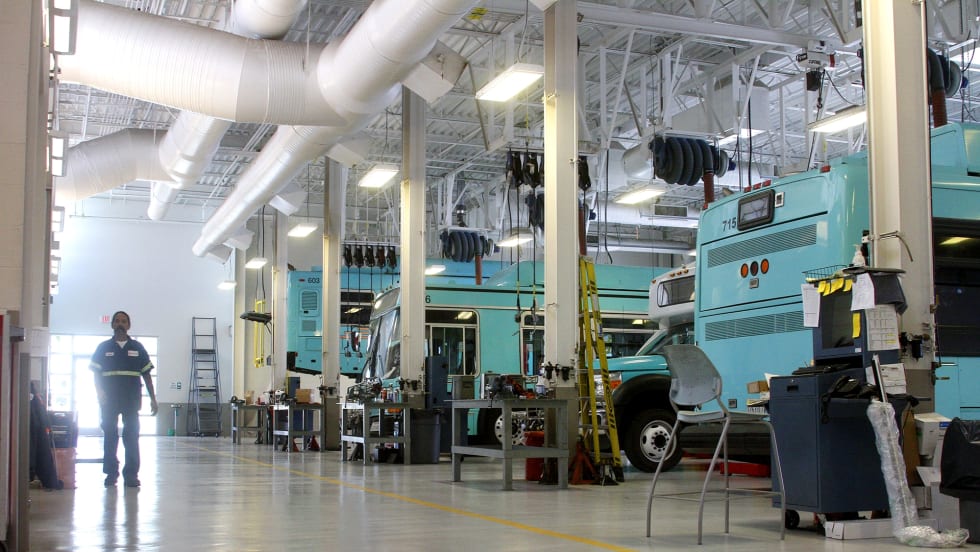
Read More →As part of this $50 million program, a new 49,000 square-foot high-bay maintenance building, a 12,000 square-foot operations and administration building, and a two-bay bus wash building were added to the existing facility complex.
Read More →APTA statistics for 2014 show that 16.9% of public transit buses were hybrid-electric. Coming in a close second, public transit systems report that 16.7% of U.S. transit buses used compressed natural gas (CNG), liquefied natural gas (LNG) and blends. Biodiesel is used by 7.4% of public transit buses. Other alternative fuels, such as propane and hydrogen, account for 0.3%.
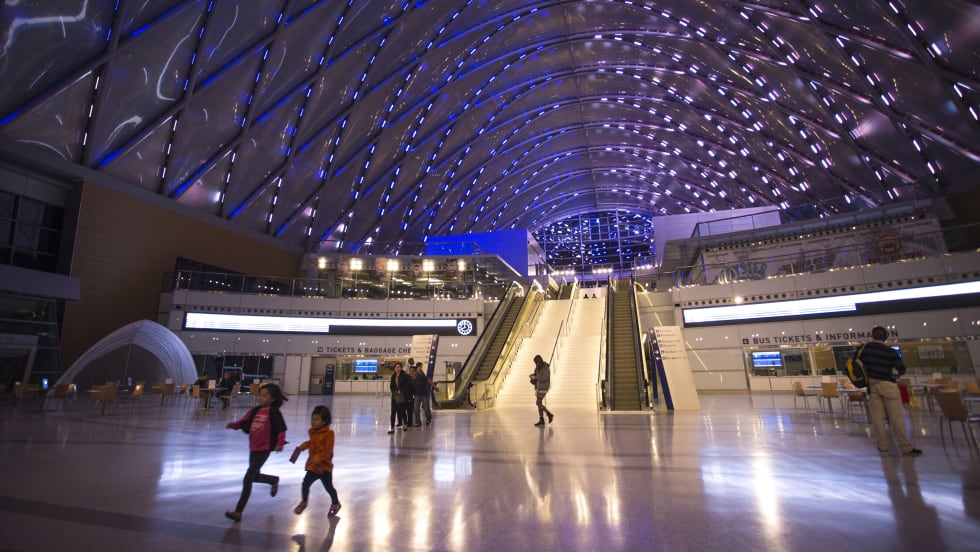
Read More →Constructed at a cost of $135 million, the 67,000-square-foot ARTIC terminal allows 10,000 daily riders to move seamlessly between transit services that include Amtrak, Metrolink, OCTA and intercity buses.
Read More →