




SoCal transit center incorporates innovation with sustainable design
Calif. agency earns LEED-Gold certification
The Hesperia, Calif.-based Victor Valley Transit Authority earned the award for the environmental-friendly design and construction of two separate buildings on its 10-acre facility.
October 30, 2015

All photos courtesy VVTA
2 min to read
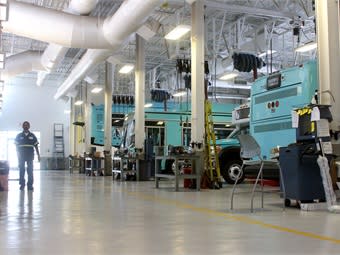
All photos courtesy VVTA
The Hesperia, Calif.-based Victor Valley Transit Authority (VVTA) earned the coveted Leadership in Energy and Environmental Design (LEED) Gold certification from the U.S. Green Building Council. The High Desert transit agency earned the award for the environmental-friendly design and construction of two separate buildings on its 10-acre facility.
VVTA moved into its 28,820-square-foot administration and operations building and 15,750-square-foot maintenance building in November 2011. For its innovative energy-saving and carbon-friendly construction, VVTA was also awarded the coveted Mojave Desert Air Quality Management District 2011/2012 Exemplar Award.
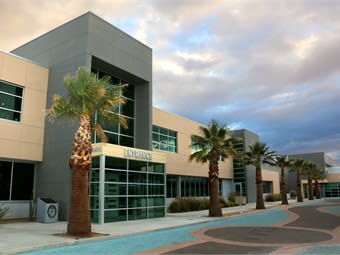
The centerpiece of the 10-acre facility is a 1-megawatt photovoltaic solar system, which produces in excess of 100% of the electricity used on the campus. The solar canopies double as shaded parking, reducing air conditioning cooling time during daytime bus start up. This also reduces fleet fuel use and emissions.
The administration and operations building ranked highest for its indoor environmental quality. As a sustainable site, it performed well in energy, atmosphere, innovation and water efficiency categories. Both buildings received high marks for drought-resistant water conservation features due in part to a state-of-the-art underground storm water treatment and retention system. Combined, the buildings reduce potable water consumption for irrigation by more than 50%, using Xeriscaping, a landscaping technique that reduces the need for supplemental water.
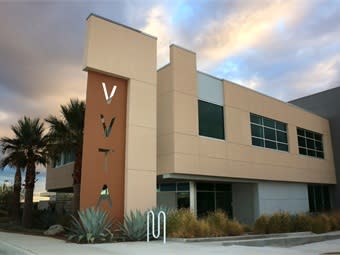
The administration building lighting system features motion detectors to reduce energy consumption during evening hours. Offices and hallways enlist rooftop solar tubes to harness natural light during daytime hours. Under-floor heating and ventilation enables air to flow through the work area rather than forcing it down from the ceilings.
More than 20% of building materials used in construction contain recycled content, while more than 50% of the wood used for construction is “sustainably harvested,” as defined by the Forest Stewardship Council.
More Technology

From Hardware to Digital Partner: Luminator Charts Its Next Chapter
CEO Magnus Friberg discusses Luminator’s shift toward becoming a digital partner, the growing importance of software and interoperability, and how AI can help agencies improve operations and passenger experience.
Read More →
Beyond the Checklist: A Structured Approach to Transit Maintenance
Reliability-Centered Maintenance helps transit agencies move beyond routine checklists to focus limited resources on the assets and failures that have the greatest impact on safety, reliability, and service.
Read More →
NJ TRANSIT Advances Bus Technology Upgrades Across Statewide Fleet
More than 1,500 buses now feature upgraded technology designed to improve arrival predictions and provide free Wi-Fi, with deployment expected to reach nearly 2,000 buses by the end of 2026.
Read More →

Building a Flexible Path to Transit Electrification
John Hroncich discusses BAE Systems’ modular and scalable approach, lessons learned from decades of real-world operations, and how agencies can identify electrification strategies that fit their fleets.
Read More →
Biz Briefs: Alstom Lands Canadian Contract, LYT to Supply California TSP, and More
In METRO's latest installment, we take a look at recent news from Complete Coach Works, Beep, FlixBus, and more partnerships making headlines across the transportation sector.
Read More →
Sponsored•September 8, 2026
From Legacy Silos to Conversational Intelligence
What if transit leaders could ask any operational question and get a trusted answer in seconds? Conversational AI is transforming how agencies use their data.
Read More →
USDOT Announces Rail Vehicle Replacement Grants, Chattanooga AV Shuttle Funding
More than $191 million in federal funding will help three transit agencies replace aging rail vehicles and support a new autonomous shuttle service in Chattanooga.
Read More →
Bus Tech Talk: Keeping Transit Technicians Ahead of the Technology Curve
LA Metro’s Obed Mejia discusses technician training, evolving maintenance technology, fleet replacement, and strategies for getting the most out of today’s transit fleets.
Read More →
Biz Briefs: RIPTA Unveils New Frontrunners, Clevland RTA Adds New Siemens, and More
In METRO's latest installment, we take a look at recent news from Siemens, Prevost, Dodge, and more partnerships making headlines across the transportation sector.
Read More →
Why Simulating Pedestrian Movement Has Become Essential for Modern Rail Stations
Pedestrian microsimulation is helping rail planners identify bottlenecks, test station designs, and prepare complex transit hubs for growing passenger volumes.
Read More →