
Metro Magazine

 MENU
MENU SEARCHMENUSEARCH
Loading data...

The eRating vehicle certification is voluntary and uses an index that measures several criteria including the use of low-emissions technology, alternative fuels and greenhouse gas emissions calculated per passenger mile.
Read More →



Despite the 2011 goal to reduce carbon gas emissions by 25%, university data published by the Office of Campus Sustainability show that emissions decreased in 2012, but then increased in 2013. Transportation emissions have seen consistent decreases.
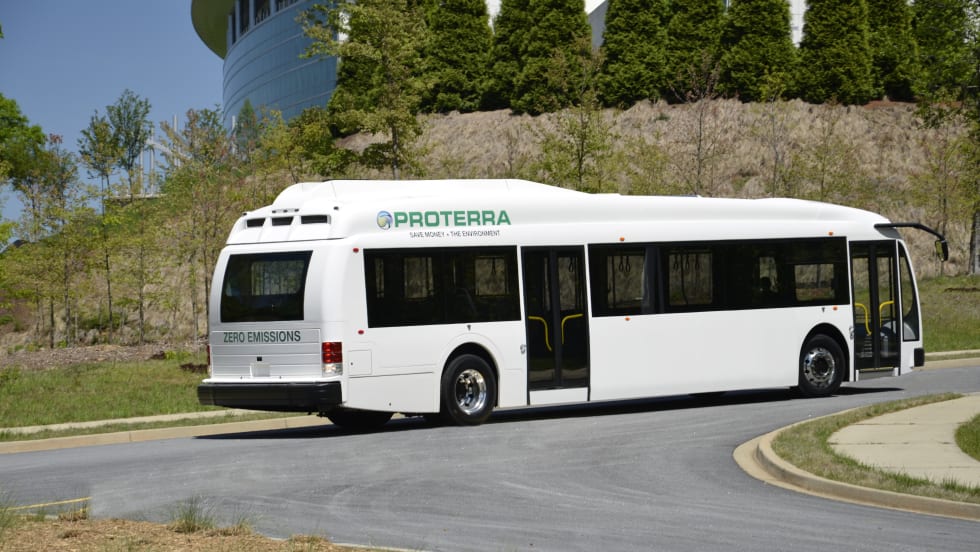
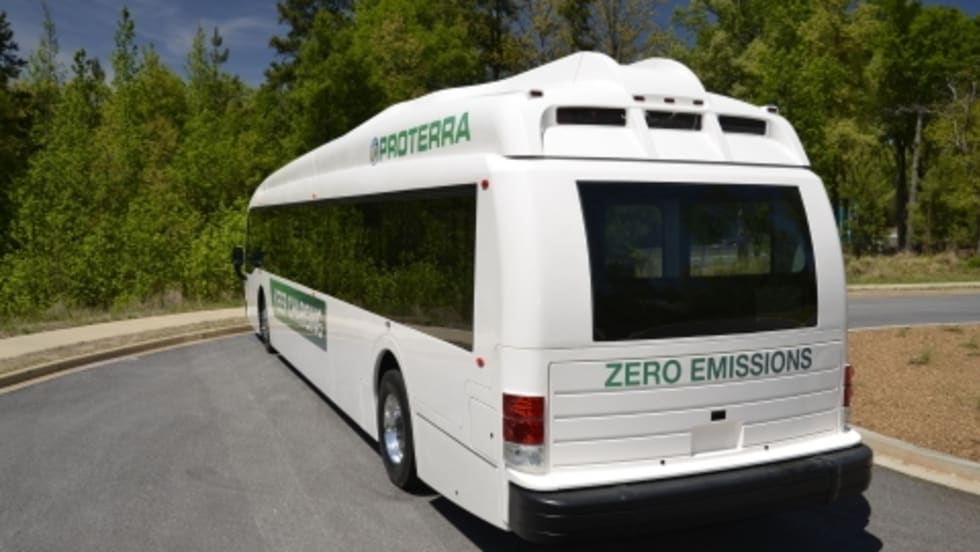
Read More →The second generation electric vehicle — a 40-foot transit bus — will be the lightest, most efficient and highest passenger capacity coach in its class.
Read More →The battery-electric bus traveled more than 700 miles in 24 hours and recorded an average fuel economy of nearly 27 miles per gallon — nearly six times that of a diesel bus and seven times that of CNG, according to company officials.
Read More →The vegetated trackway area is pervious to stormwater, thus reducing runoff. It is comprised of 1-inch thick mats with various sedum species.
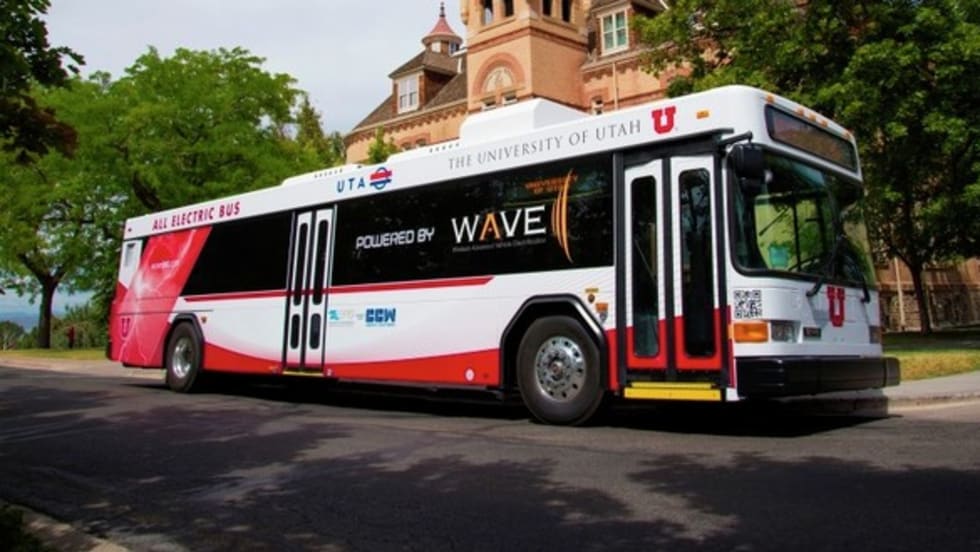
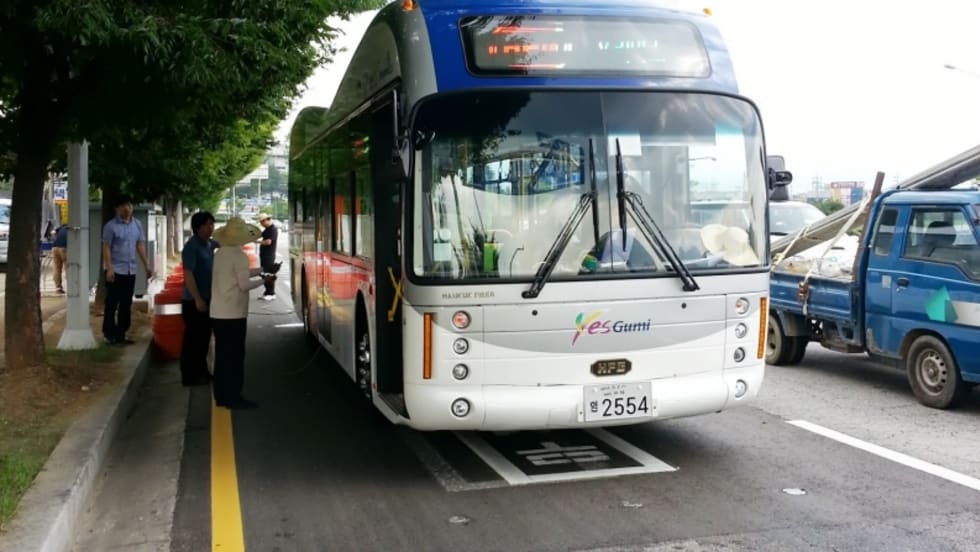
Read More →The system operates by wirelessly charging the battery from a charging pad located under the road surface.
Read More →Each pod, which has a battery-powered electric motor, can hold up to two people and their luggage and travels just 12 mph.
Read More →Within three years, the agency is expected to use approximately 700,000 diesel gallon equivalents of CNG per year, which reduces greenhouse gases by 1,622 metric tons per year, the equivalent of taking 335 cars off the road per year.
Read More →The BARTA bus has 100 KwH battery-pack and an expected range of up to 100 miles on a full charge with seating for eight passengers and a wheelchair.
Read More →Technology enables electric vehicles to transfer electricity wirelessly from the road surface while moving. Power comes from the electrical cables buried under the surface of the road, creating magnetic fields.
Read More →