
Metro Magazine

 MENU
MENU SEARCHMENUSEARCH
Loading data...
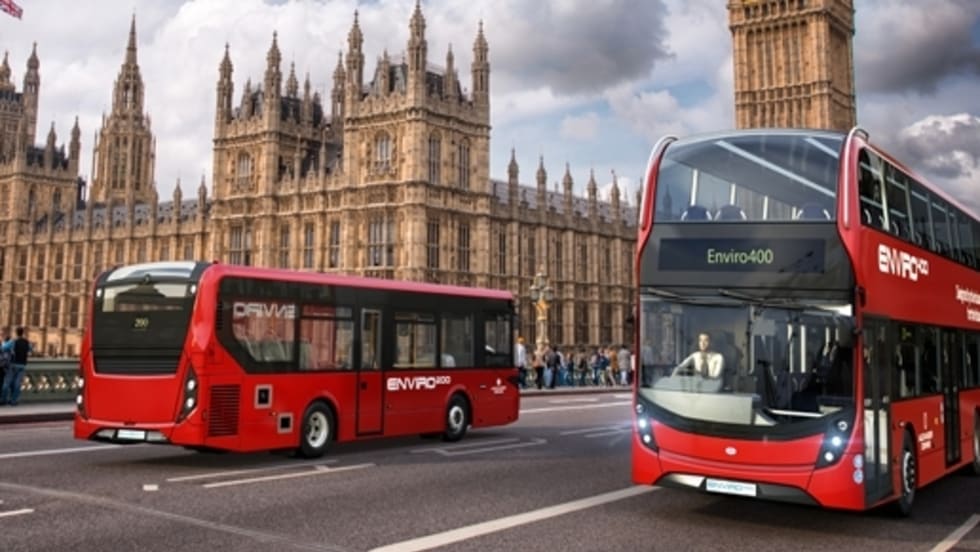
The $1.01 billion dollar deal has the potential to triple in the next ten years if they extend their alliance to build double-deck buses.
Read More →


FTX is for all fleet types that are looking for ways to improve operational efficiencies. Educational sessions will cover topics ranging from how to turn telematics reports into actionable data to alternative-fuel topics, and ways other software, strategies and equipment can help a fleet streamline operations.
Read More →Public transit agencies and businesses that voluntarily participate in the APTA Sustainability Commitment program commit to implementing processes and actions that create continuous improvements in environmental, social and economic sustainability.
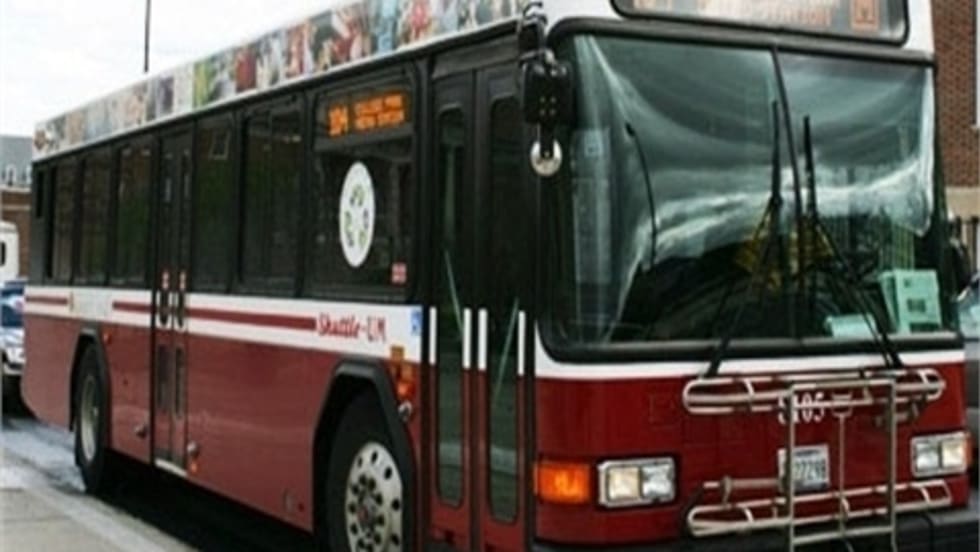
Read More →The Department of Transportation Services currently has four hybrid buses and buys about eight new standard buses each year, DOTS Director David Allen told the paper.
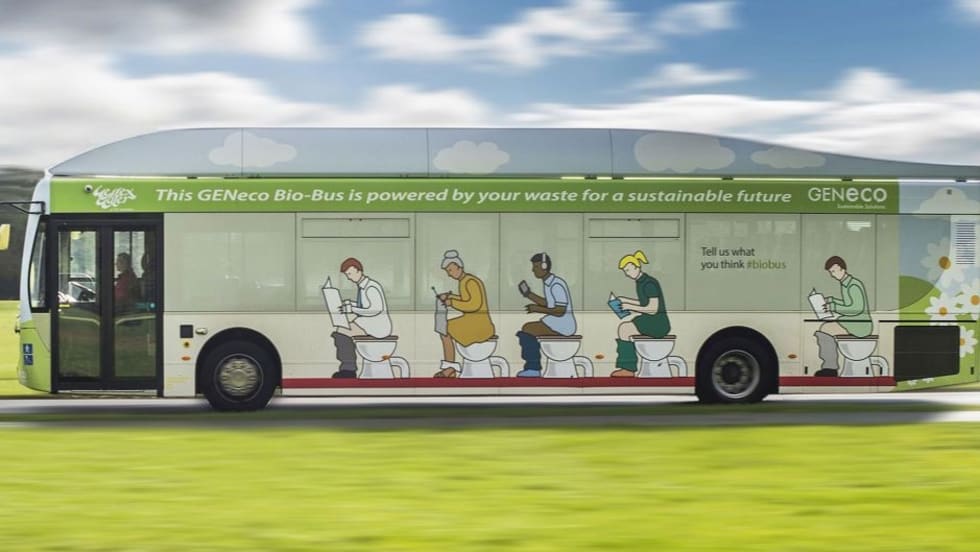
Read More →The Bio-Bus can travel up to 186 miles on a full tank of gas, which takes the annual waste of around five people to produce.
Read More →At least six electric vehicles, ranging from passenger vans to cutaway buses to a mid-sized transit bus and a trolley bus, were featured both on the show floor and at a special ride along held in conjunction with the show.
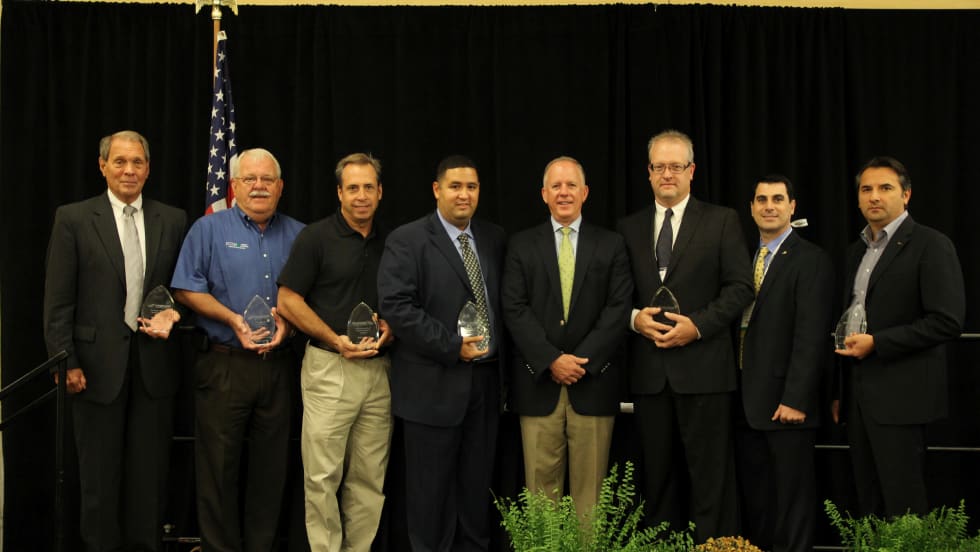
Read More →PERC presented the “Top User of Clean-Burning Propane Autogas” awards to attending representatives at a ceremony Wednesday morning at Indiana Convention Center. The fleets were individually recognized for recent adoptions of propane-autogas-powered vehicles.
Read More →Following a one-year trial period, King County Metro has option to purchase up to 200 more buses and additional fast-charge systems, depending on the outcome of the demonstration.
Read More →PERC hopes the consolidated web presence will promote a “one-fuel solution” by encouraging business and residential customers currently using or considering propane in one application to explore new fuel-efficient equipment for other uses as well.
Read More →Currently, CATS, which has no alternative fuel vehicles in its fleet, is considering compressed natural gas, liquefied natural gas, hydrogen, biodiesel, electric and diesel-hybrid options, agency officials said.
Read More →