
Metro Magazine

 MENU
MENU SEARCHMENUSEARCH
Loading data...

Contract awarded to Alameda-based Stacy and Witbeck/Herzog, a joint venture that will work on track, bridges, station platforms and grade crossings.
Read More →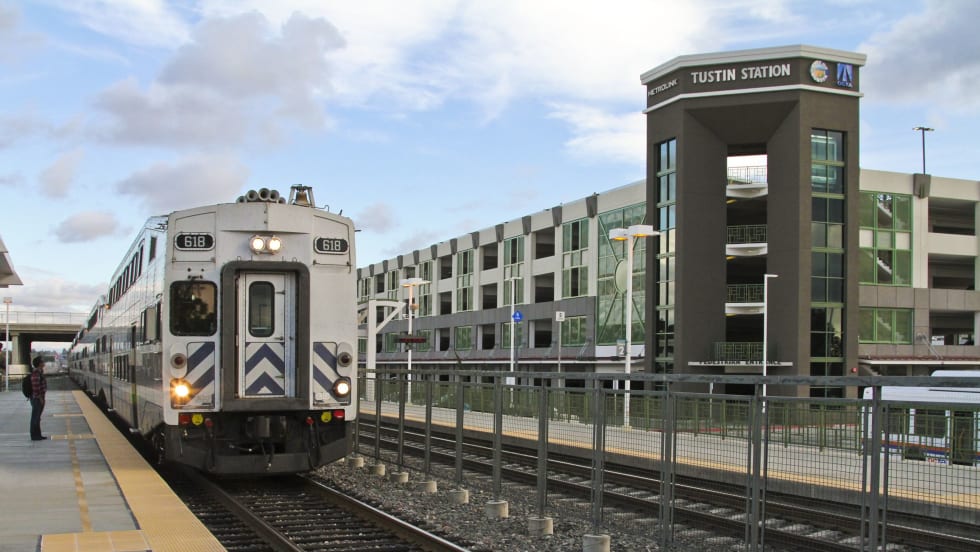

In addition, the agency is replacing all 3,500 bus stop signs. The new signs, for the first time, will provide route and schedule information.
Read More →To help keep the public informed about real-time construction updates, Omnitrans also launched a new sbX Twitter handle.
Read More →When service begins again, Metro-North trains will return to the full pre-storm schedule of 26 daily trains and 14 trains each weekend day and the interim train-bus-train service will cease.
Read More →Serving approximately 800 daily passengers, the station has enhanced its parking facilities to account for anticipated future growth. The parking lot previously accommodated 300 vehicles and was at capacity.
Read More →The bill aims to achieve a priority set in the last surface transportation authorization by expanding access to federal dollars under existing transportation programs for diesel engine upgrades. Diesel fuel powers most heavy machinery and vehicles used on construction sites.
Read More →In 2010, the RTA received a $45 million TIGER grant from the U.S. Department of Transportation to build a streetcar loop on Loyola Avenue from Canal Street to the Union Passenger Terminal (UPT), a 1.4-mile route through the central business district.
Read More →Construction of the line is expected to generate more than 3,300 jobs, including positions related to engineering, design, construction and operations.
Read More →The Sugar House Streetcar project construction costs are estimated to be approximately $37 million. HDR will provide preliminary engineering and final design services for the track work, structures, drainage, utility relocations, stations, street reconstruction and at-grade crossings.
Read More →A construction approach called "deep tunneling" will be used to construct the Central Subway. Deep tunneling allows most of the work to be done below ground, reducing disruption on the surface by using the TBMs, a technology that has been used extensively throughout the world.
Read More →