
Metro Magazine

 MENU
 SEARCHMENUSEARCH
Loading data...

Cause of Action, a Washington, D.C.-based watchdog group, claims the Chicago Transit Authority may have inflated by up to $150 million the federal funding it received since 1982 by "fraudulently over-reporting" the number of miles buses travel while in service.
Read More →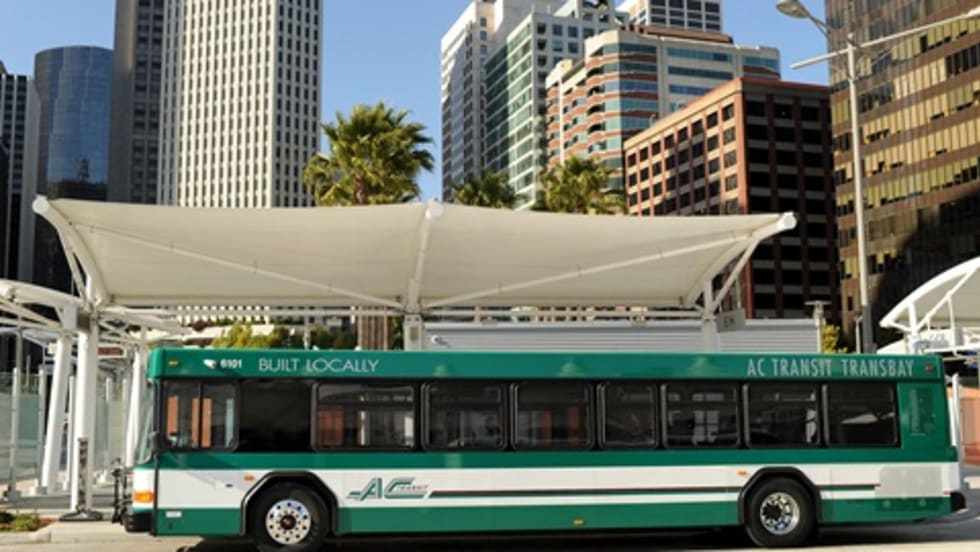


Funding will support the expansion of local resources for fueling buses with Compressed Natural Gas (CNG). Added improvements include portable CNG refueling stations to serve remote areas in the county and a new CNG compressor to replace the agency’s oldest compressor.
Read More →Will use the existing annunciation system on buses to broadcast 10- to 15-second messages. The program is managed by transit media firm Commuter Advertising, which enables time and location-based commercials triggered by GPS systems. HART is one of 10 transit agencies in the U.S. to use the technology.
Read More →Causes long lines at bus stops, packed buses, and thousands of commuters taking to the roads on bikes and on foot. Union rail drivers protesting job losses and plans to close manned ticket offices may stay off the job for two days this week and another two next week.
Read More →The one-year pilot program increases the options for late night commuters, providing new destinations and improved frequency of pre-dawn buses between San Francisco and the East Bay on weekends.
Read More →The Associated Students of the University of California aims to expand upon the existing Berkeley-Davis shuttle, a part of the UC Fleet Services. The shuttle charges $11 for a one-way ticket and uses university-owned buses.
Read More →On track to hit 10.6 million riders by summer, the agency is taking several initiatives to serve its growing passenger base, such as adding hybrid buses to its fleet; utilizing more social media tools and making its facilities even more eco-friendly.
Read More →Said that increasing fares would be unreasonable, since they believe buses are poorly maintained and often run late. Officials say the agency needs to raise fares about 25% every four years to help cover operating costs.
Read More →Alleviates the need for drivers to navigate one-way streets through downtown Stamford, while making the trip to the transportation center quicker, thanks in part to partially dedicated lanes for high-occupancy vehicles and efficiently timed signals to keep buses moving.
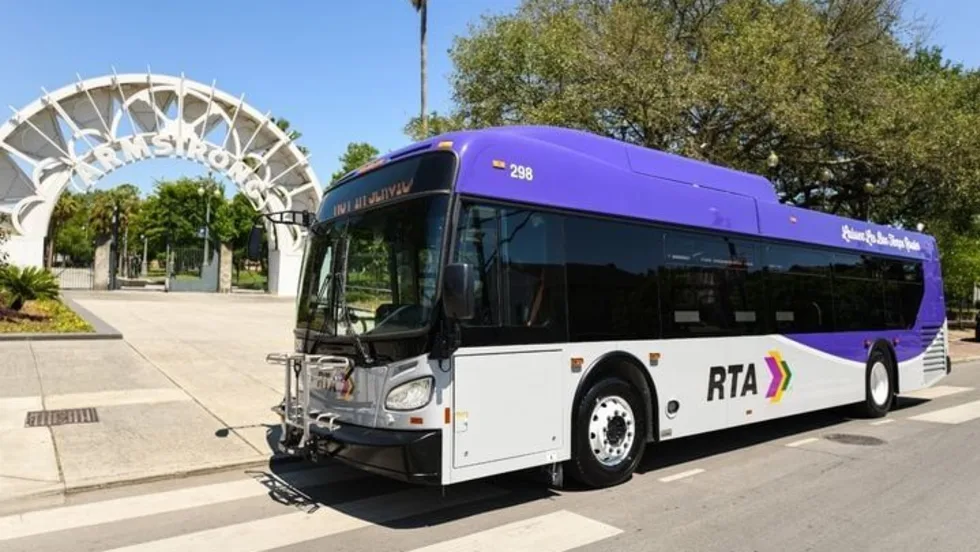
Read More →The film features past and present RTA employees sharing their experiences during the storm and the critical months that followed.
Read More →