



Conn. breaks ground on Phase 2 of urban transitway
Alleviates the need for drivers to navigate one-way streets through downtown Stamford, while making the trip to the transportation center quicker, thanks in part to partially dedicated lanes for high-occupancy vehicles and efficiently timed signals to keep buses moving.

Officials celebrated the groundbreaking of Phase 2 of Connecticut's Stamford Urban Transitway, a broad, multi-lane road providing direct access for rapid bus service, shuttle vans, cars and other vehicles heading from I-95 into the Stamford Intermodal Transportation Center, where passengers board Metro-North commuter rail, Amtrak trains and commuter buses.
The Federal Transit Administration (FTA) is contributing $94.2 million toward the $117.2 million project, which is part of a larger plan to connect this busy transportation hub with downtown Stamford and the city’s business district, while reducing congestion on local streets.
The transitway alleviates the need for drivers to navigate one-way streets through downtown Stamford, while making the trip to the transportation center quicker, thanks in part to partially dedicated lanes for high-occupancy vehicles and efficiently timed signals to keep buses moving.
Phase 1, completed in November 2010, spurred major local employers, including NBC Sports and financial service companies RBS and UBS, to relocate their headquarters alongside the transitway, further streamlining the commute for thousands of employees.
The FTA contribution to the project includes $52.8 million for Phase 1 and $41.4 million for Phase 2.
Upon its completion next year, the transitway will become part of a plan to open Stamford’s south waterfront as part of a $4 billion brownfields revitalization and mixed-use redevelopment that is already underway.
More Bus
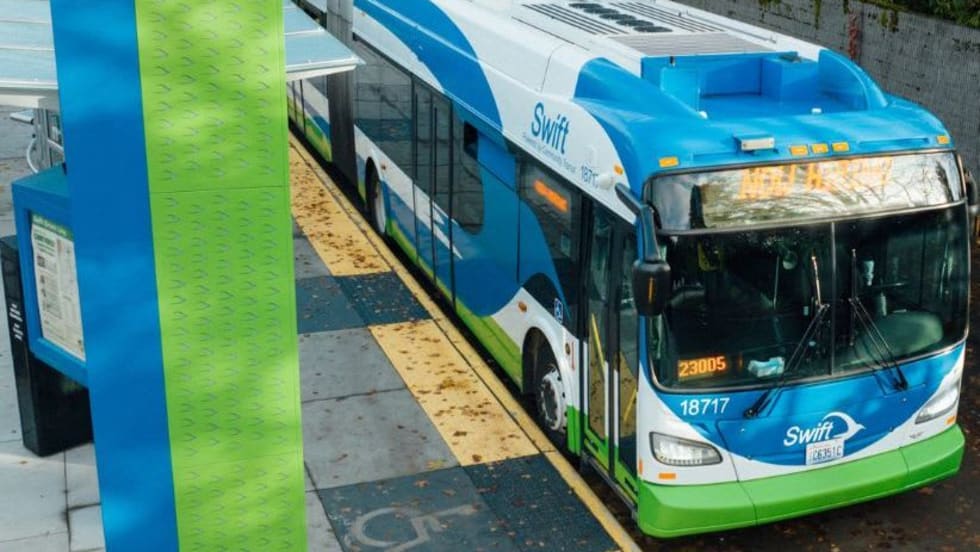
Washington's Community Transit Sets Six-Year Roadmap for Growth, Expansion
Approved TDP targets more bus service, new mobility options, Swift BRT expansion, and a potential Everett Transit annexation.
Read More →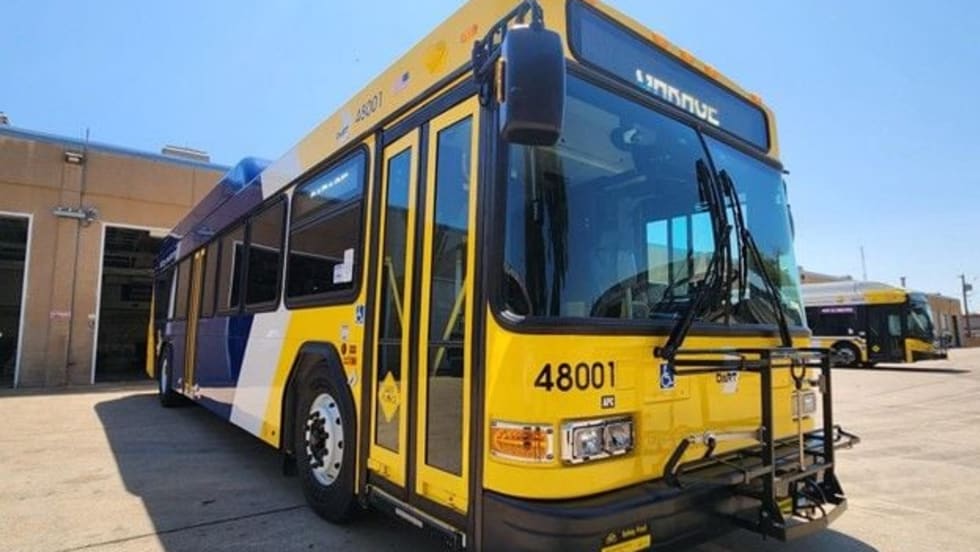
DART Customer Satisfaction Reaches Six-Year High
Overall satisfaction rose to 74.9%, while the agency’s Net Promoter Score reached a record 33.7.
Read More →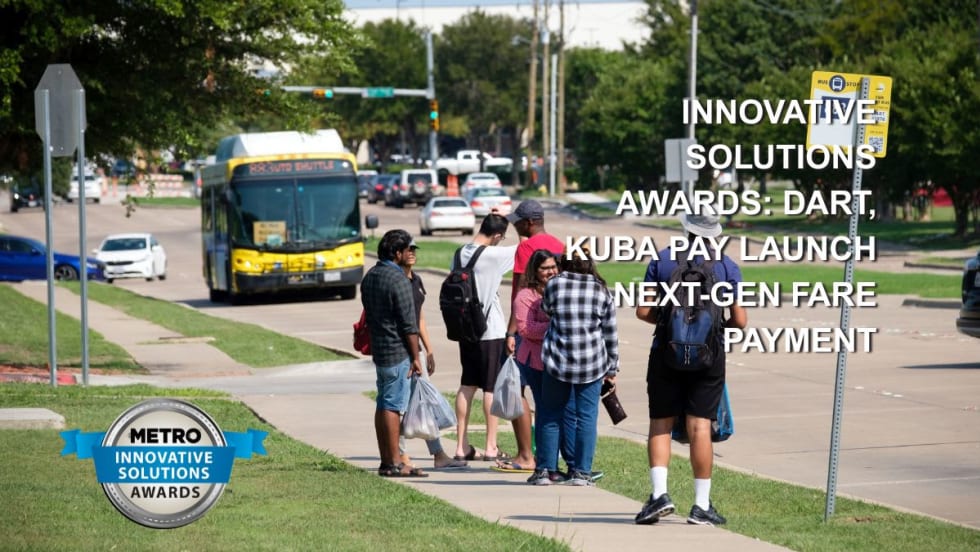
How DART's GoPass Is Redefining Regional Mobility
Serving 14 transit agencies, GoPass simplifies multimodal travel by allowing riders to plan, pay for, and manage an entire trip through one app.
Read More →
Biz Briefs: OCTA Taps Clean Energy for Hydrogen Station, Stadler to Supply Via Rail Vehicles, and More
From manufacturers and suppliers to transit agencies and motorcoach operators, these updates offer a snapshot of the projects, partnerships and business moves driving the industry forward.
Read More →
METRO Magazine Announces 2026 Innovative Solutions Awards Winners
Projects Recognized for Advancing Mobility Through Technology, Accessibility, Workforce Innovation, and Operational Excellence
Read More →
Biz Briefs: STV teams with Amtrak, Motorcoach Operators Boost Fleet and Land Contracts, and More
From manufacturers and suppliers to transit agencies and motorcoach operators, these updates offer a snapshot of the projects, partnerships and business moves driving the industry forward.
Read More →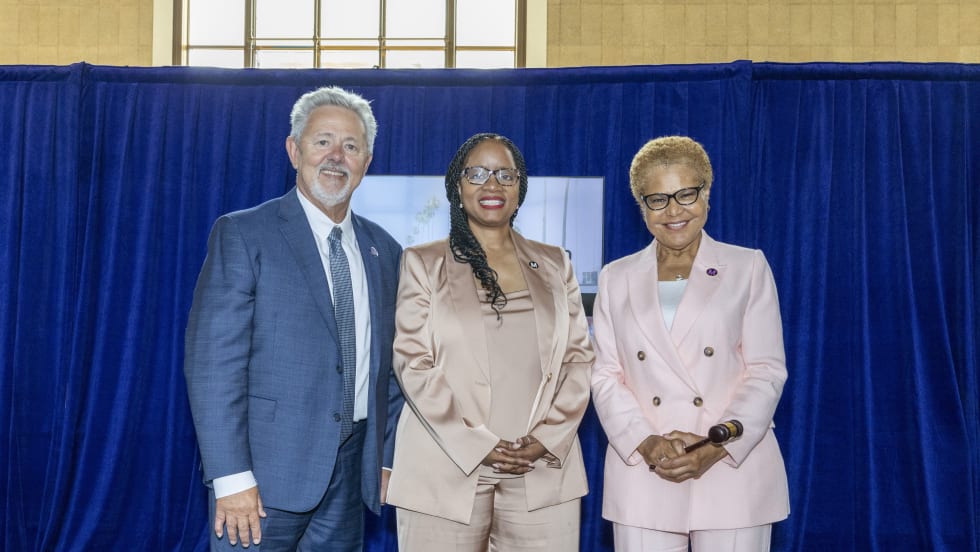
LA Metro Marks Banner Year, Sets Ambitious Goals for New Fiscal Year
Incoming LA Metro Board Chair and Los Angeles Mayor Karen Bass joined outgoing Board Chair Fernando Dutra and LA Metro CEO Stephanie Wiggins to review accomplishments from fiscal year 2026, which included the opening of new rail extensions, advancement of major transit projects, expanded safety programs, and new rider amenities.
Read More →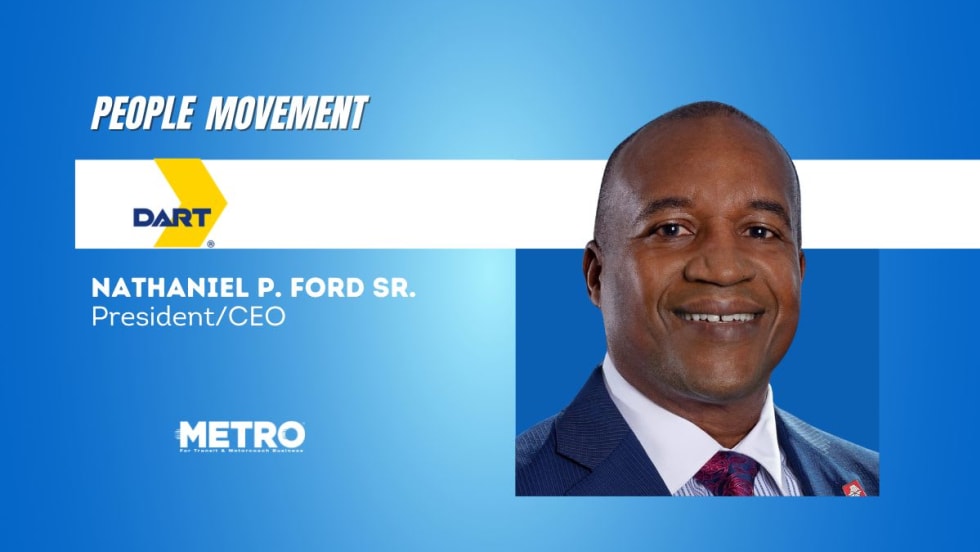
DART Taps Nathaniel P. Ford Sr. as Next President/CEO
Since 2012, Ford has served as the CEO of the Jacksonville Transportation Authority
Read More →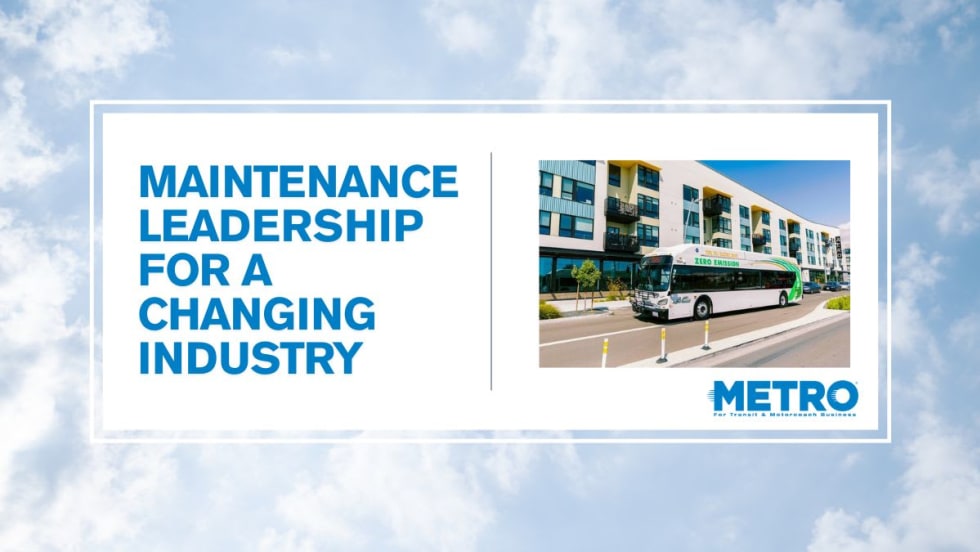
AC Transit’s Cecil Blandon on Building the Next Generation of Transit Maintenance Leaders
The agency’s maintenance chief discusses leadership, workforce development, zero-emission technology, and preparing technicians for the future of public transportation.
Read More →
Building the Next Generation of Transit Technology
In this edition of METROspectives, Luminator CEO Magnus Friberg discusses the company's transformation, the growing role of AI and software, and what's next for transit technology.
Read More →