
Metro Magazine

 MENU
MENU SEARCHMENUSEARCH
Loading data...
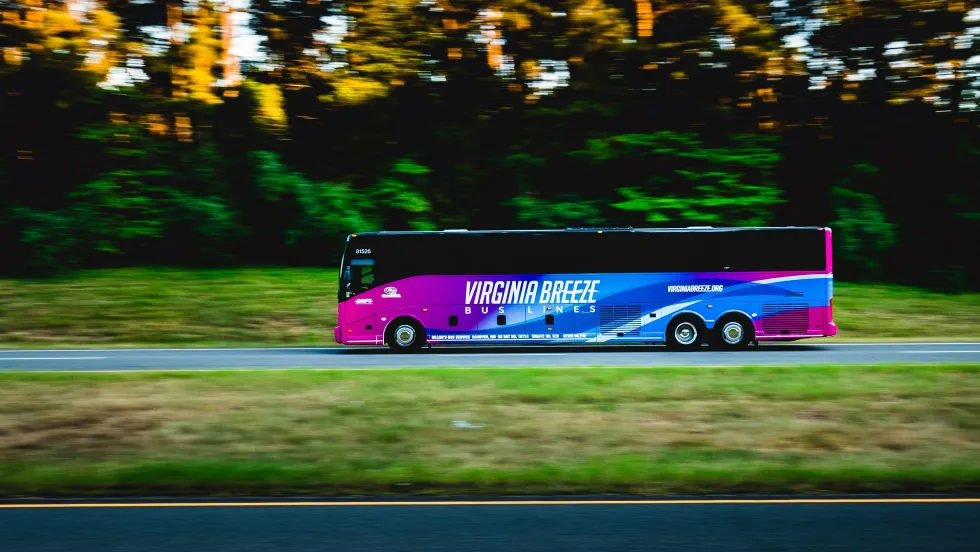
Testing new reservation options, improving apps and text alerts, strengthening links to Amtrak, and devising creative campaigns to boost traffic are just some of the ways operations like Colorado’s Bustang, Oregon’s POINT, and Virginia Breeze are finding success in the market.
Read More →

Will emphasize beautiful travel photography and long-form journalism to cast itself as an upscale brand and replace its current magazine, “Arrive,” which is more focused on celebrities, what’s-on content and regional destinations.
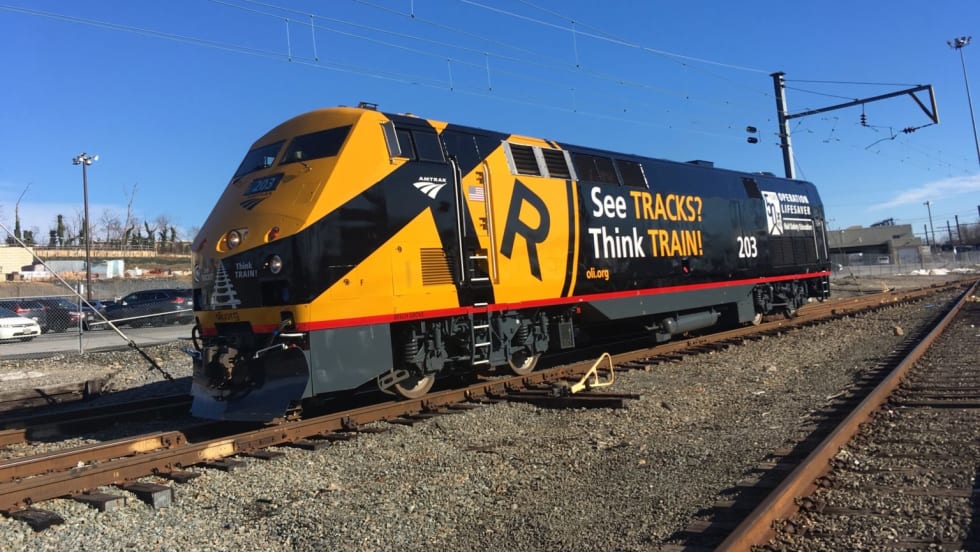
Read More →The black-and-yellow locomotive commemorates the 50th anniversary of Operation Lifesaver, a non-profit organization dedicated to providing railroad safety education and awareness nationwide.
Read More →The agency is on the Forbes list for the fifth year in a row and is among 500 employers across 25 industries.
Read More →Renovation project in Sanford, Fla., is scheduled to begin in mid-June 2009 and is targeted for completion in the fall of 2010.
Read More →The addition of the amenities is effective immediately. Amtrak is demonstrating its capabilities while it continues to operate this service under an Indiana Department of Transportation contract extension through Jan. 31, 2015.
Read More →Will go to a project that will restore a rail line, improving 50 miles of track and infrastructure on a direct route from Springfield to East Northfield, Mass. Time on Amtrak’s Vermonter line will be cut by nearly 30 minutes.
Read More →In honor of the milestone and the daily operation of this iconic route, Amtrak released a Top 25 list of California Zephyr facts.
Read More →The settlement allows victims to have their awards in hand by June instead of waiting years for a lawsuit to play out, their lawyers said Thursday.
Read More →Soliciting through a "neighborhood watch style program" the efforts of people who are already watching the trains to keep an eye on suspicious activity on trains and around stations and tracks.
Read More →