
Metro Magazine

 MENU
MENU SEARCHMENUSEARCH
Loading data...
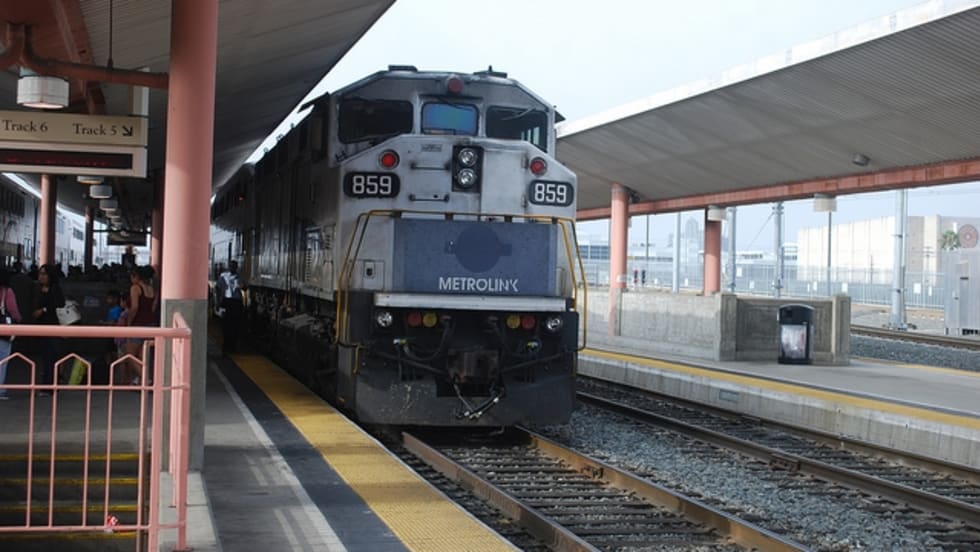
Officials of the six-county system mostly blame the downturn on the worst recession since World War II, which decimated the region's workforce.
Read More →
Chicago Transit Authority gained passengers, while Metra and Pace experienced modest declines.
Read More →Research projects that 480,000 new jobs representing $32 billion per year in income will be at risk due to congestion by 2040.
Read More →Nearly one-half (48%) of Americans say they would require an area to have good public transportation before they would consider moving there, according to a survey.
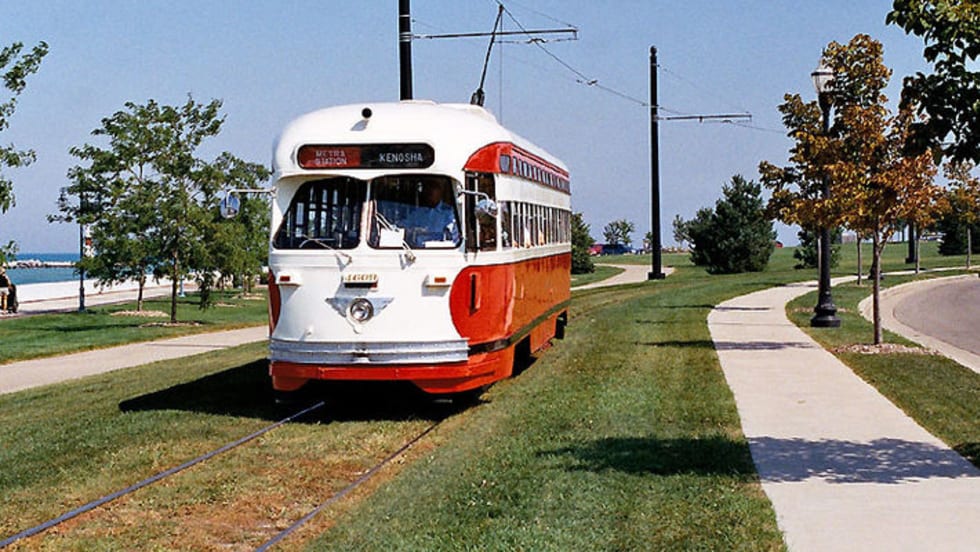
Read More →Many city planners are convinced that classic streetcars can ignite economic development in a way that buses cannot and at a fraction of the expense of light rail.
Read More →With the primary goal of growing the female demographic in the transportation industry's professional leadership roles worldwide, the association is getting the attention it needs from the world economy's major players to help move WTS's strategic plan along.
Read More →Data projects that a high-speed rail system serving areas within 350 to 450 miles of Chicago could bring in $2.2 billion annually in user-generated revenues, and 104,000 new jobs.
Read More →The total economic impact of motorcoaches traveling to the region in 2010 was $271.6 million.
Read More →67 percent of the jobs created by capital investment in the public transit industry replaces lost blue-collar jobs with “green jobs” in the public transit sector.
Read More →Projects target improved passenger and maintenance facilities, safety and security, information technology, operations and equipment.
Read More →