



5-year Chicago study shows economy's impact on ridership
Chicago Transit Authority gained passengers, while Metra and Pace experienced modest declines.

The number of rides provided within the Chicago Regional Transportation Authority (RTA) region’s system increased by 13 million, or 1.9%, from 2008 to 2012, with the Chicago Transit Authority (CTA) gaining passengers and Metra and Pace experiencing modest declines, according to the RTA’s recently released five-year ridership study.
The RTA’s analysis conducted over the five-year period indicates that the poor economy significantly affected each of the transit agencies and resulted in fewer commuters, cuts in service and fare increases in the aftermath of the nation’s financial crisis beginning in 2008. Meanwhile, the economy’s gradual improvement during the past two years has helped to boost ridership to a total of 666.1 million riders in the RTA region in 2012 — the most recorded since 1990.
“The results show that public transit agencies were not immune to the negative impact of the economic recession and were forced to make adjustments,” said Bea Reyna Reyna-Hickey, RTA chief financial officer/sr. deputy executive director, finance and performance management. “However, as economic conditions have begun to steadily improve, transit ridership in the six-county region has risen among each of the transit agencies.”
CTA
Ridership on CTA buses and trains grew from 526.3 million trips in 2008 to 545.6 million in 2012, an increase of 3.7%. The increase occurred at the same time CTA reduced service frequencies, shortened service hours and eliminated nine express bus routes to address funding shortfalls. In addition, beginning in 2009, ridership on CTA rail has increased at a greater rate than bus ridership, which dropped 4.2%, meaning 13.8 million fewer trips were taken by bus from 2008 to 2012.
Overall, the CTA’s rail ridership increased by 33.1 million passenger trips, or 16.7%, during the five-year period.
Metra
Metra rides declined from record high levels of 86.8 million trips in 2008 to 81.3 million in 2012, a decrease of 6.3%. This ridership loss was driven by significant job loss in the region and a weak recovery. It was further impacted by a significant fare increase in 2012; the elimination of the Seniors Ride Free Program in 2011; changes to the City of Chicago’s special events calendar which negatively impacted Metra’s weekend ridership; and construction on Wacker Drive presenting prolonged access issues to Union Station and Ogilvie Transportation Center.
Overall, ridership declined on nine of Metra’s 11 passenger lines.
Pace Suburban
Pace ridership dipped by 6.4%, or 2.4 million passenger trips, from 2008 to 2012. The agency had its second highest system-wide total for ridership in its history in 2008 as high gasoline prices drove numerous commuters to Pace buses and the vanpool program. The price of gasoline dropped in 2009, and that, along with the economy’s effect on employment, a fare increase and service reduction, caused a significant loss of riders in 2009. However, 2012 marked the second consecutive year of positive ridership results for Pace Suburban service, up 5.1% to 35.4 million trips, indicating that ridership is rebounding.
Pace-owned fixed route service recorded 30.4 million passenger trips in 2012, the third consecutive year of positive results after significant ridership decline in 2009.
Meanwhile, municipal fixed-route service ridership dropped by 9.2%, or 86,000 riders as partner municipalities dealt with economic pressure. Privately contracted fixed-route service declined by 54.2%, or 1.1 million riders, during the five-year period as several routes transitioned to Pace-owned operating divisions to save costs.
Additionally, ridership on Pace ADA paratransit service has increased by 35.1%, or 957,000 trips, since 2008, the report noted. A portion of this growth was attributed to the inclusion of companion rides, per federal policy, in ridership figures beginning in 2011. Yet even discounting the new reporting practices, ridership still grew in 2012, increasing 7.8%, or 300,000 riders, from the previous year.
To view the full report, click here.
More Paratransit
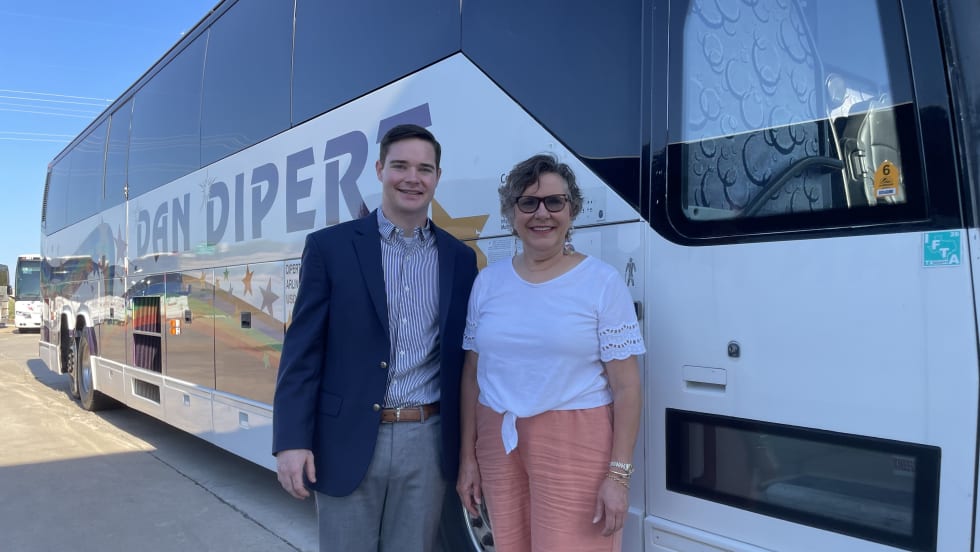
People Movement: Dan Dipert Coaches Adds Third-Generation Leader, Keolis Names New Valley Metro VP/GM, and More
In this edition, we also cover recent appointments and announcements at the Wabtec, SilverRide, HNTB, and more, showcasing the individuals helping to shape the future of transportation.
Read More →
Biz Briefs: RIPTA Unveils New Frontrunners, Clevland RTA Adds New Siemens, and More
In METRO's latest installment, we take a look at recent news from Siemens, Prevost, Dodge, and more partnerships making headlines across the transportation sector.
Read More →
King County Metro Makes ADA Paratransit Easier to Navigate
METRO's Innovative Solutions Award winner replaces complex service-area descriptions with an accessible, interactive map that puts paratransit information directly in customers’ hands.
Read More →
Jacksonville’s NAVI Project Charts a New Course for Autonomous Public Transportation
Through its NAVI program, JTA is showing how autonomous vehicles, intelligent infrastructure, and coordinated operations can work together to deliver everyday public transportation.
Read More →
Driving Smarter Paratransit
John Hanlon shares how AlphaRoute is leveraging AI-powered technology to help paratransit providers optimize operations, support frontline staff, and enhance the rider experience.
Read More →
METRO Magazine Announces 2026 Innovative Solutions Awards Winners
Projects Recognized for Advancing Mobility Through Technology, Accessibility, Workforce Innovation, and Operational Excellence
Read More →
Biz Briefs: STV teams with Amtrak, Motorcoach Operators Boost Fleet and Land Contracts, and More
From manufacturers and suppliers to transit agencies and motorcoach operators, these updates offer a snapshot of the projects, partnerships and business moves driving the industry forward.
Read More →
Biz Briefs: Masabi Teams with St. Louis Metro and More
In METRO's latest installment, we take a look at recent news from Transdev, Hitachi, and more partnerships making headlines across the transportation sector.
Read More →
New York MTA Leverages Zoning Program to Advance Station Accessibility
Accessibility enhancements at Nevins St Station will be financed through a development agreement tied to the MTA's Zoning for Accessibility initiative.
Read More →
Reinventing Fleet Maintenance with Real-time Visibility and AI
Transit leaders need to know what needs fixing, where to look, who is responsible, when work is completed, and what it costs without having to chase information across disconnected systems.
Read More →