
Metro Magazine

 MENU
MENU SEARCHMENUSEARCH
Loading data...
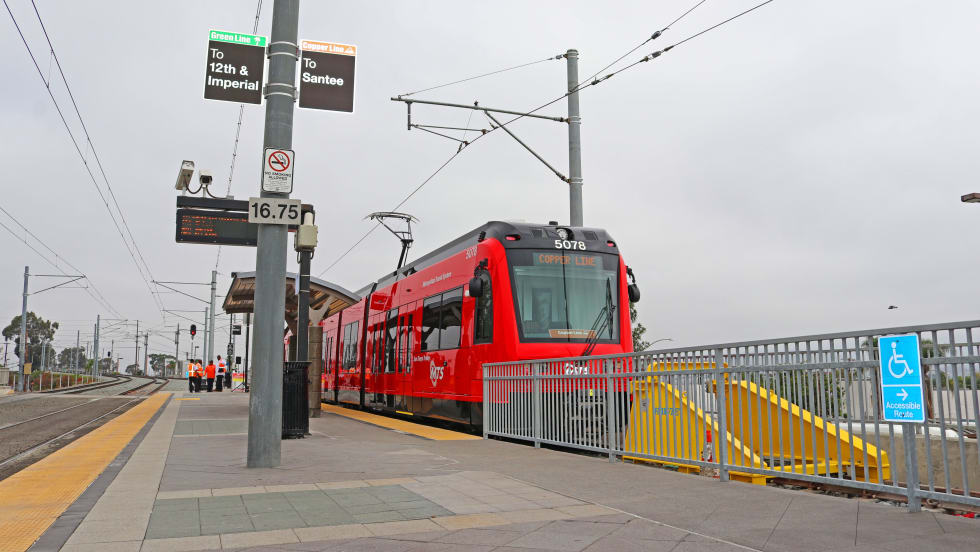
The Copper Line will serve four stations between El Cajon Transit Center and Santee Trolley Station every 15 minutes every day for most of the day.
Read More →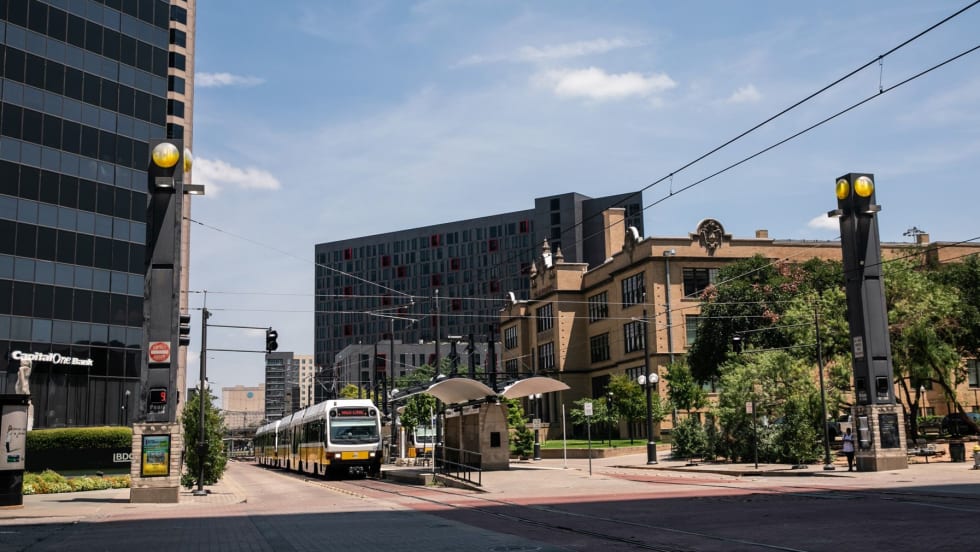
The data comes from a recent study conducted by the University of North Texas Economic Research Group.
Read More →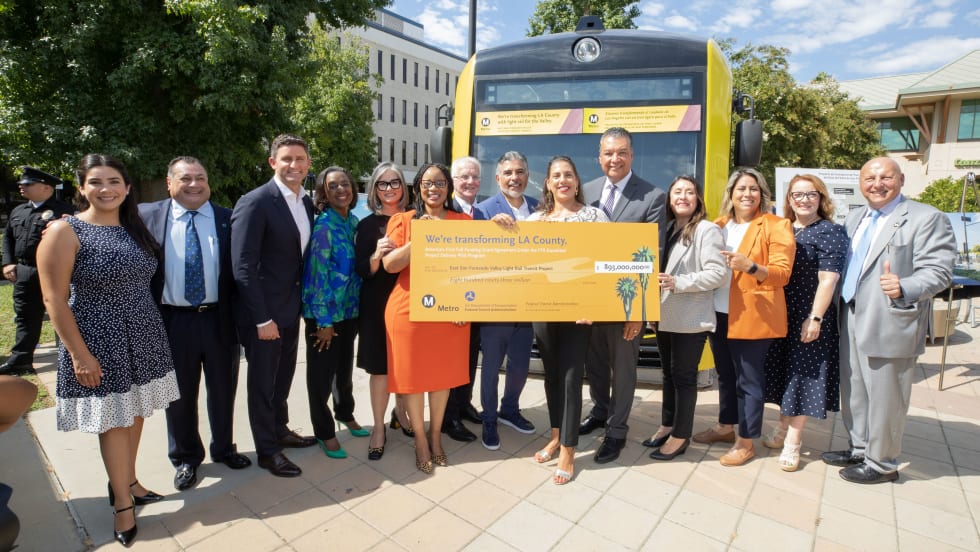
The transformational light rail line will create important new connections with a host of new and existing local and regional transit services in the San Fernando Valley, including Metrolink, Amtrak, Metro G Line, Metro B Line, and other planned Metro transit projects now in the works.
Read More →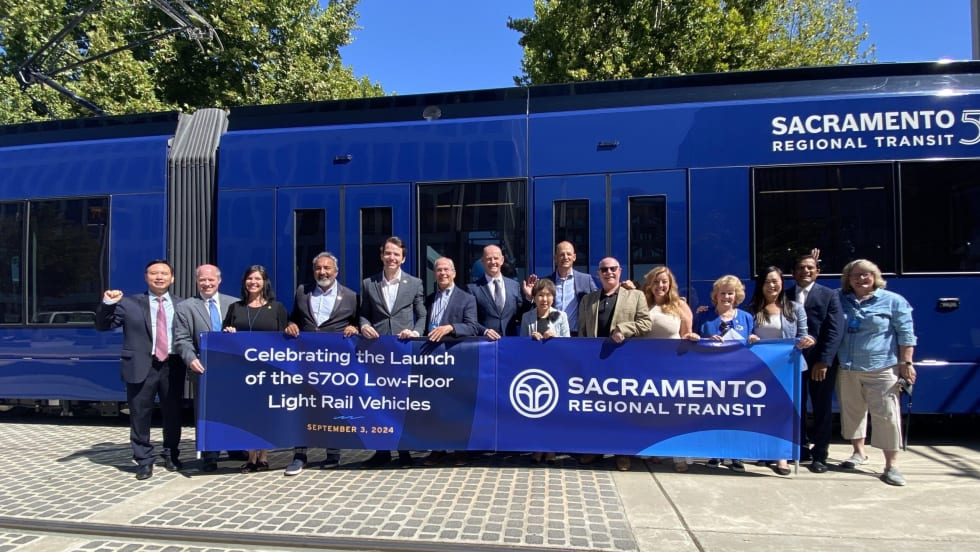
The celebration marks a significant milestone in modernizing Sacramento’s transit system, enhancing accessibility, and improving the rider experience.
Read More →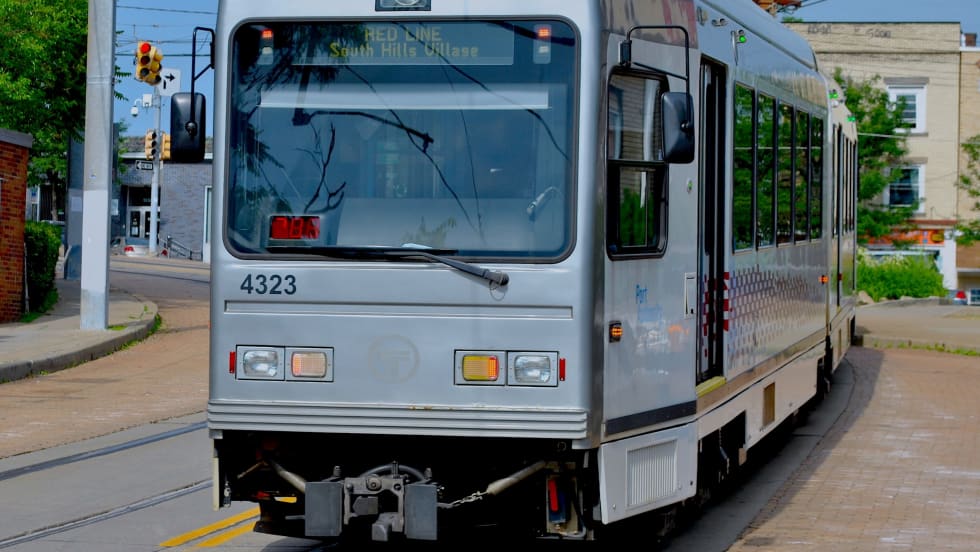
The work completed is among several light-rail infrastructure investments PRT has planned over the next few years totaling more than $150 million.
Read More →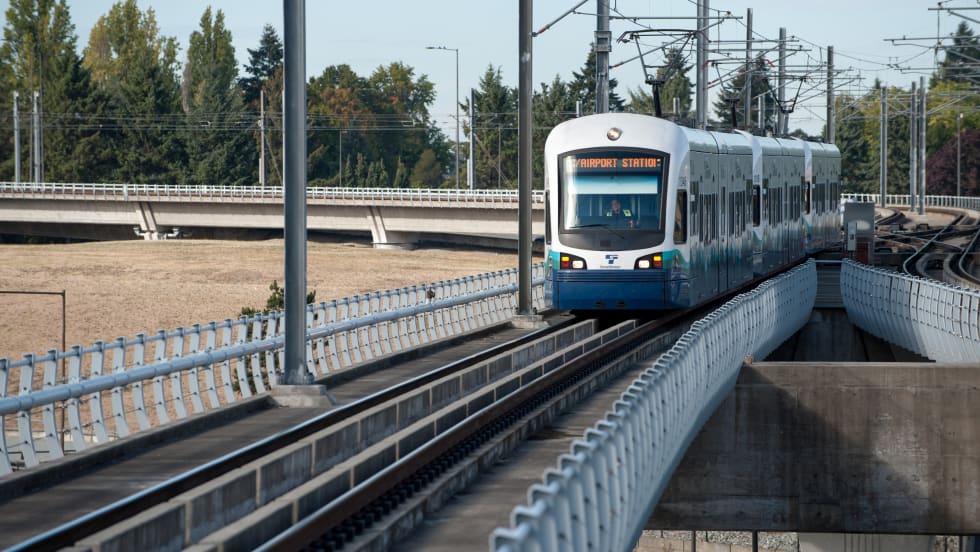
When completed, OMF South will service about 144 light rail vehicles for train cleaning and repairs and include a 1.4 mile connecting track from the Federal Way Link Extension to the site.
Read More →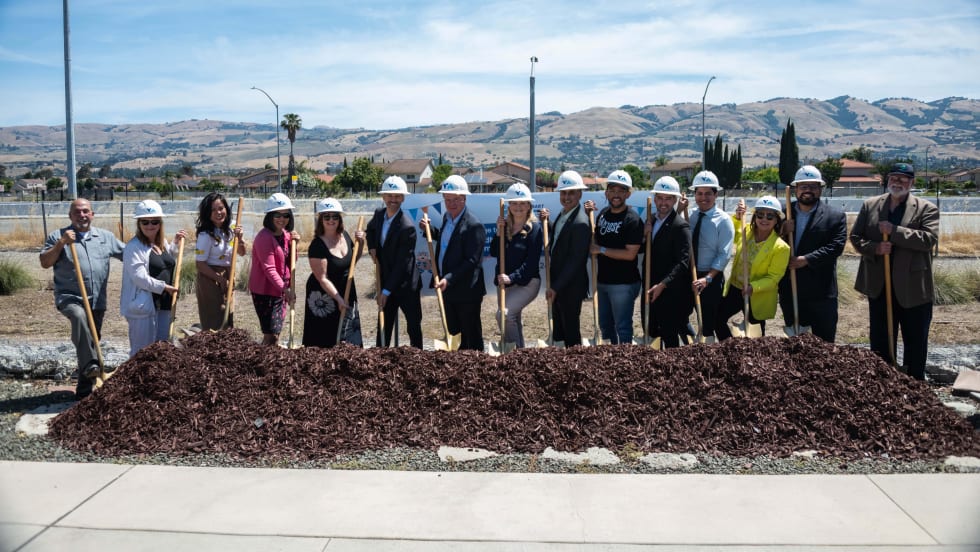
The Eastridge to BART Regional Connector will add 2.4 miles of light rail from the existing Alum Rock Transit Center to the Eastridge Transit Center, with stations at Story Road and the Eastridge Transit Center.
Read More →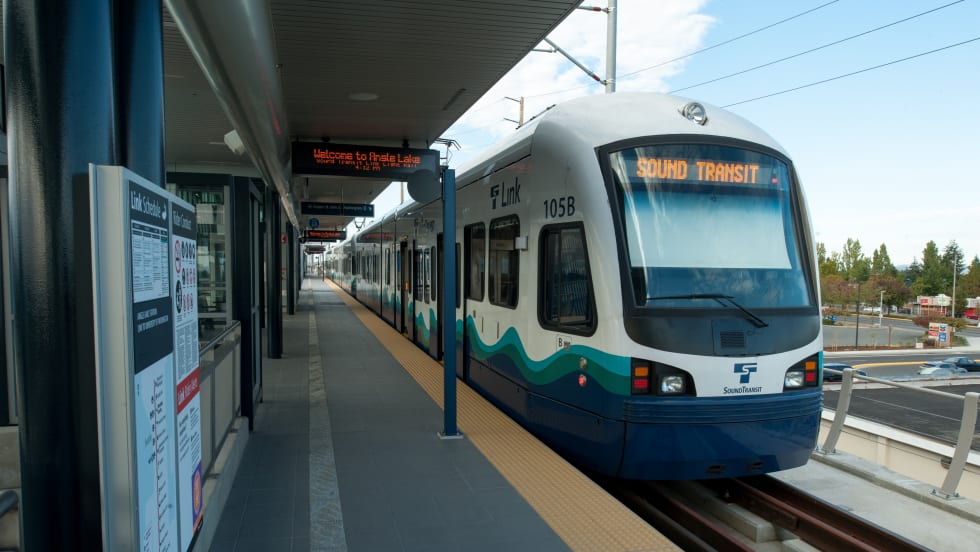
The current phase includes training for operators and maintenance staff, and continued testing to ensure stations, tracks, utilities, and vehicles work together as expected in preparation for the start of service.
Read More →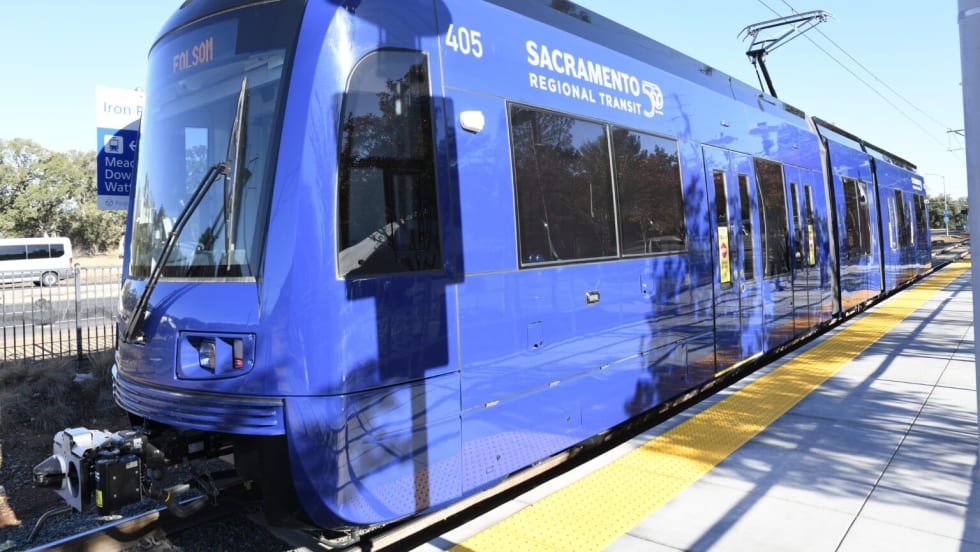
The 1,000-mile testing process is the final step of testing required to ensure all safety and quality standards are met before the train can operate on SacRT’s tracks when service of the new low-floor trains begins later this summer.
Read More →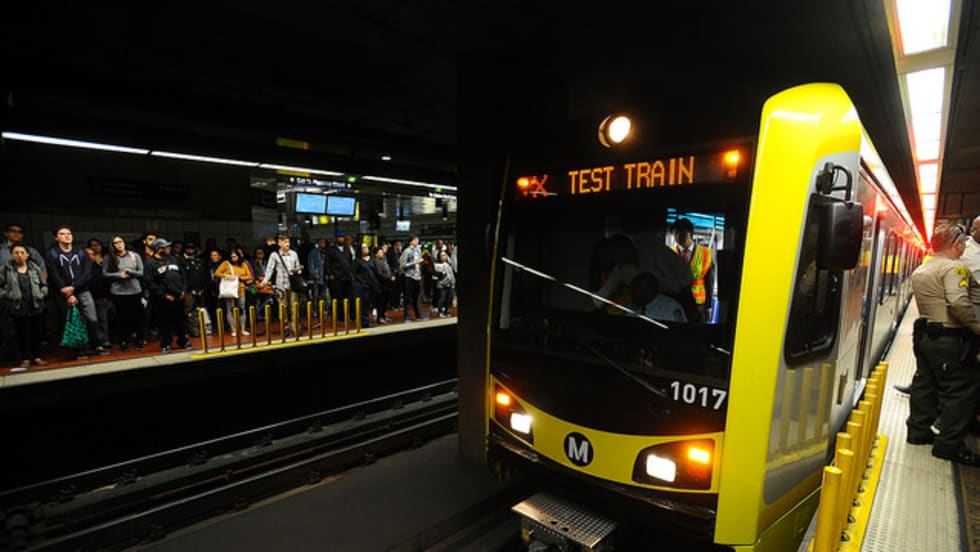
The action finalizes the environmental review for this two-phased project that will extend the Metro E Line nine miles further east from its current terminus at Atlantic Station in East Los Angeles to Lambert Station in the City of Whittier.
Read More →