
Metro Magazine

 MENU
MENU SEARCHMENUSEARCH
Loading data...
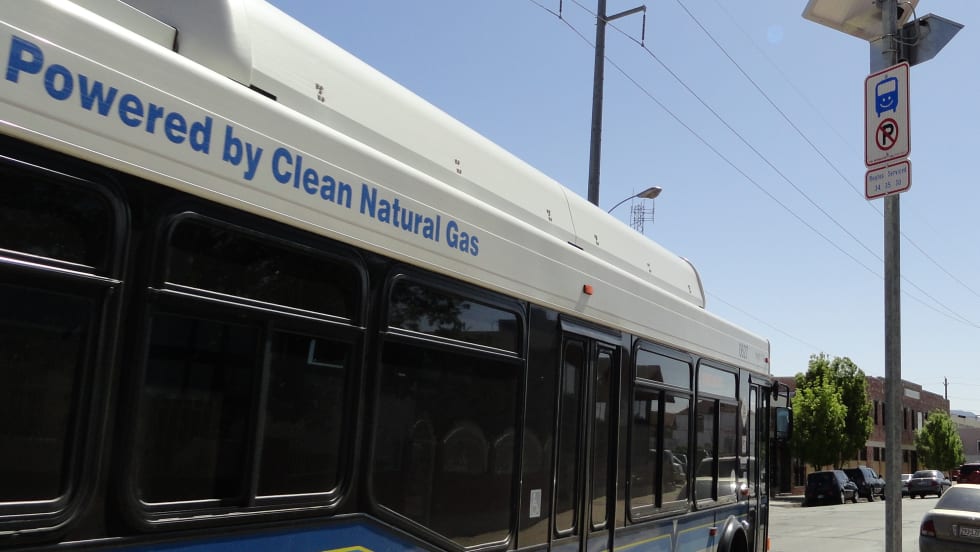
The solar lighting system was created to provide illumination to poorly lit bus stops in the El Paso area. Thirteen solar lighting units have been installed across the city.
Read More →
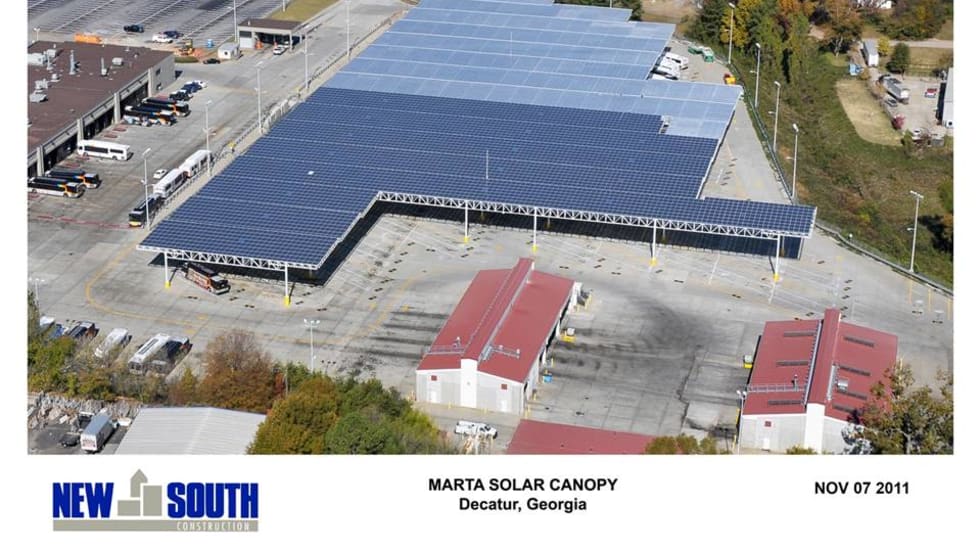
Using a Power Purchase Agreement to finance the systems, it is anticipated that VTA will save $2.7 million in electricity costs over the next 20 years.
Read More →The 253 solar modules will be installed at the agency's South Terminus MAX substation and signal-communications building. When completed, the project will produce more than 67,000 kilowatts of power annually, offsetting energy used by site lighting and two light rail electrical systems buildings.
Read More →Officials say it will be the first transit station in Florida and one of the first in the nation to be completely supported by solar energy.
Read More →The solar panels generate enough electricity to offset a significant portion of this facility's annual electricity consumption and have the same environmental benefit as planting more than 285 acres of trees a year.
Read More →As part of the campaign, posts at selected bus stops are crowned with a solar panel that charges a battery that powers the light-emitting diode, or LED, fixtures.
Read More →The $1 million in funding will help the agency build a solar panel array at its headquarters and replace the facility's lights with modern, energy-efficient equipment.
Read More →Placed in a light rail station shelter in downtown Phoenix to provide air-conditioning to commuters. The station is believed to be the first of its kind in the U.S.
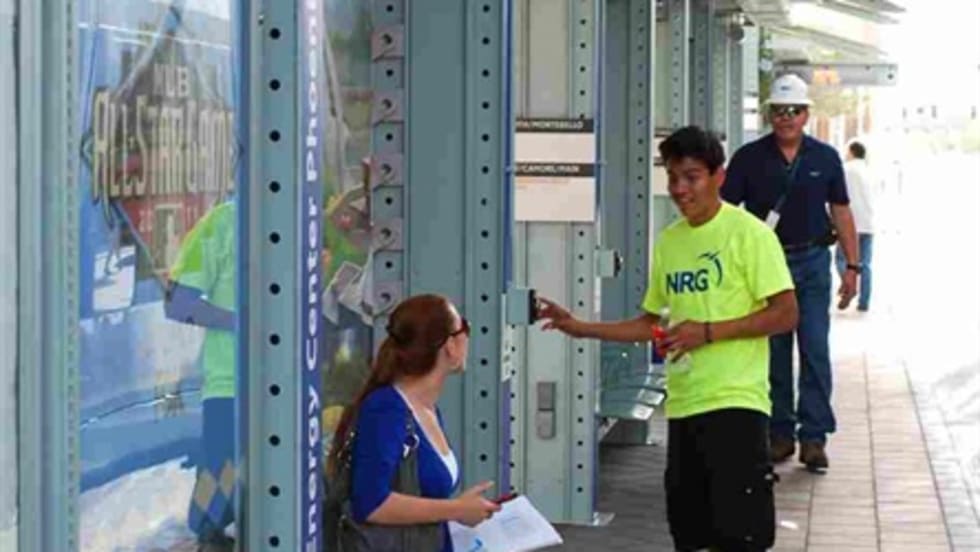
Read More →NRG Thermal LLC is building a system that uses solar power and the company’s downtown district cooling system to provide cooling to the seating areas of the popular 3rd Street/Washington Valley Metro light rail station. Will design and build the system by July 5, the week before the Major League Baseball All-Star game is held in Phoenix.
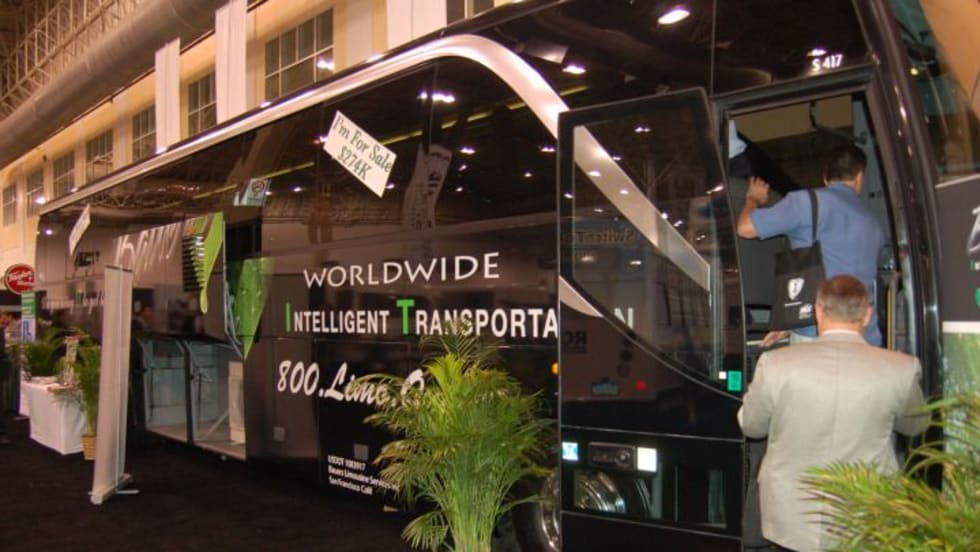
Read More →The Solar Bus consists of four thin film solar panels that run the length of the bus and charge an on-board battery bank. When the bus engine is off, the batteries power the air-conditioning and wireless connectivity equipment, enabling the buses to effectively meet anti-idling standards without compromising passenger comfort.
Read More →