
Metro Magazine

 MENU
MENU SEARCHMENUSEARCH
Loading data...
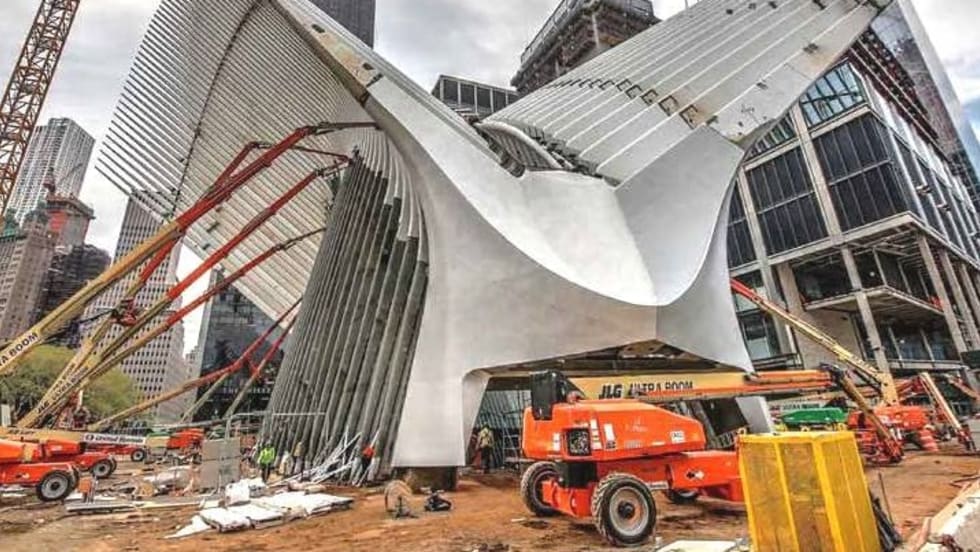
The state-of-the-art World Trade Center Transportation Hub, when completed in 2015, will serve over 200,000 daily commuters and millions of annual visitors from around the world. At approximately 800,000 square feet, the Hub, which features a wing-like "Oculus” design, will connect visitors to 11 different subway lines, the Port Authority Trans-Hudson (PATH) rail system and Battery Park City Ferry Terminal.
Read More →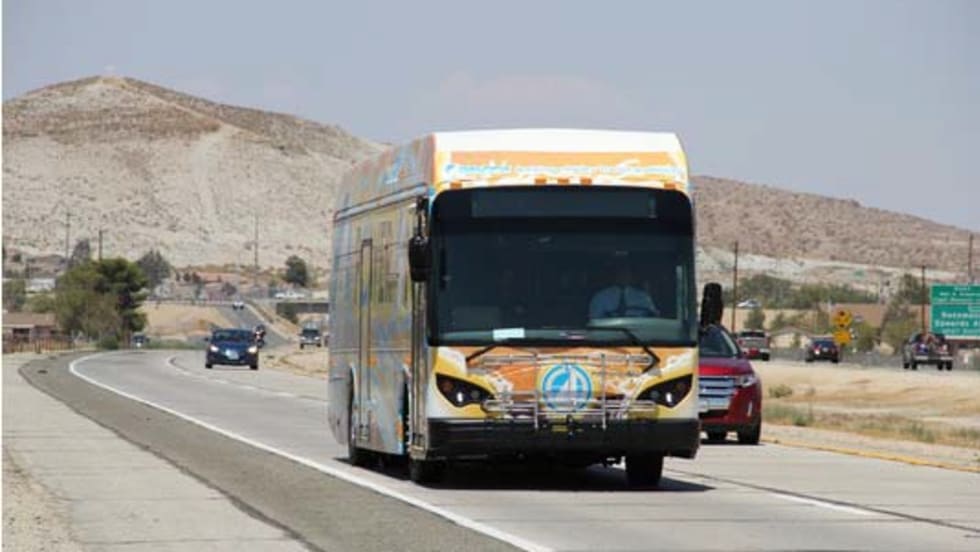
The LBT Board approved up to $11,069,319, which also includes training and required equipment in support of the purchase.
Read More →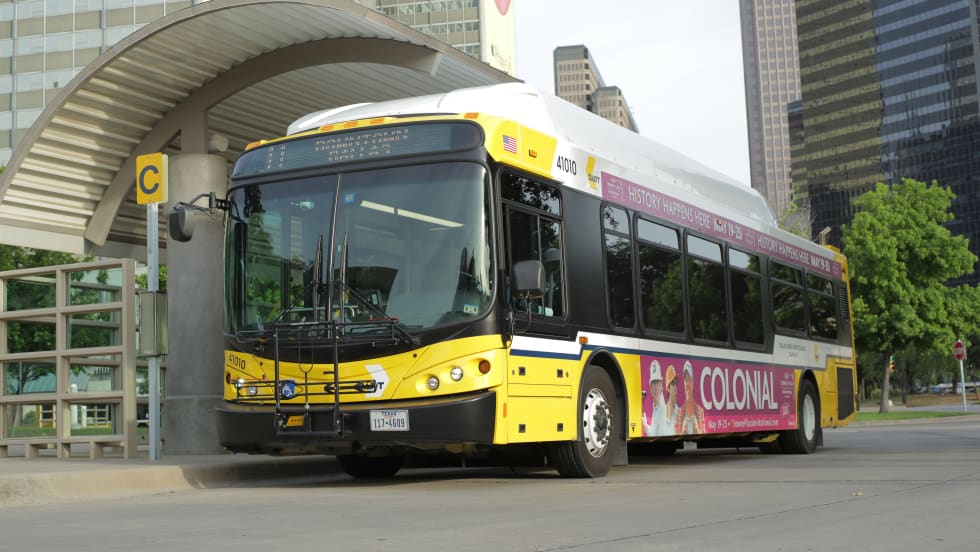
APTA statistics for 2014 show that 16.9% of public transit buses were hybrid-electric. Coming in a close second, public transit systems report that 16.7% of U.S. transit buses used compressed natural gas (CNG), liquefied natural gas (LNG) and blends. Biodiesel is used by 7.4% of public transit buses. Other alternative fuels, such as propane and hydrogen, account for 0.3%.
Read More →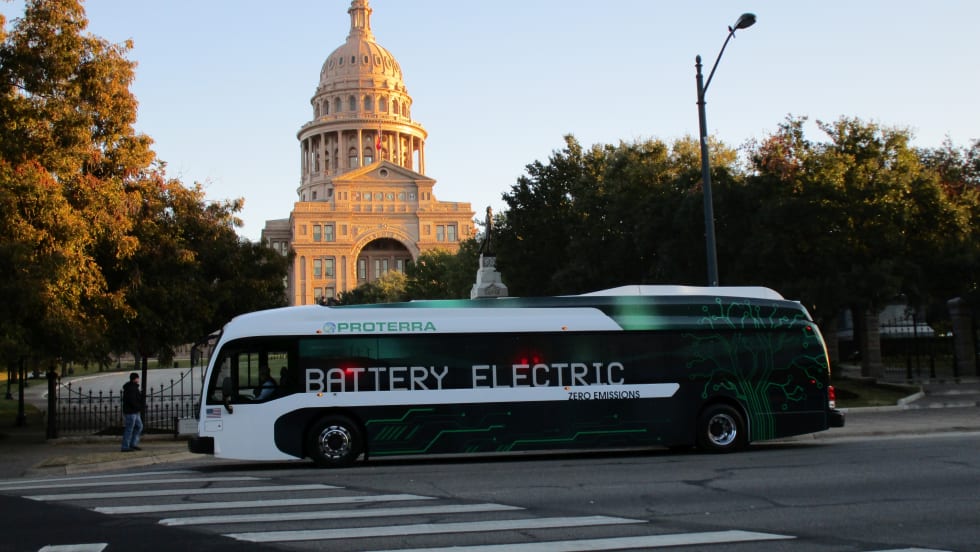
The proposed facility, to be located in the San Gabriel Valley, is expected to be operational by the fourth quarter of 2015 and will create more than 70 new local jobs. Additionally, the company announced that Foothill Transit, the primary public transit provider of the San Gabriel and Pomona valleys, has placed its fourth order in just five years for Proterra’s EV buses.
Read More →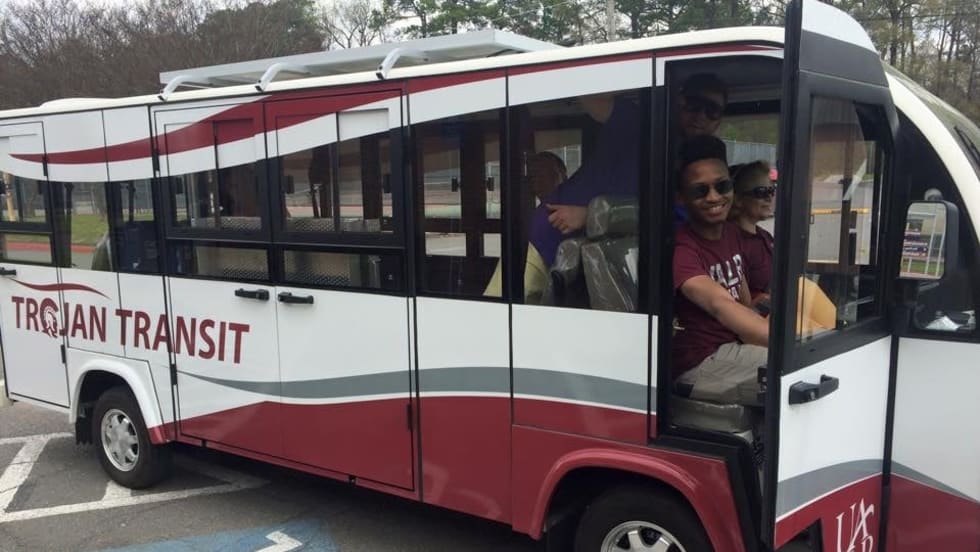
The fleet is made up of three 12-passenger shuttles operating on campus routes and three eight-passenger transit “taxis” that will be driven by campus security.
Read More →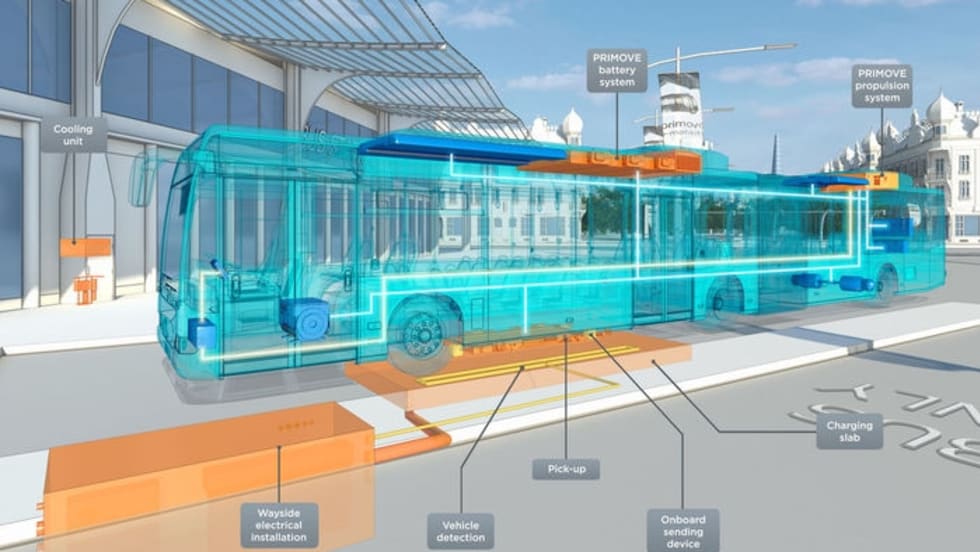
The PRIMOVE system charges the Berlin buses' batteries at 200 kW in the very few minutes of dwell time spent at the end stations. This allows the e-buses to serve the nearly four-mile-long bus line back and forth - without additional stops or battery changing for an entire day.
Read More →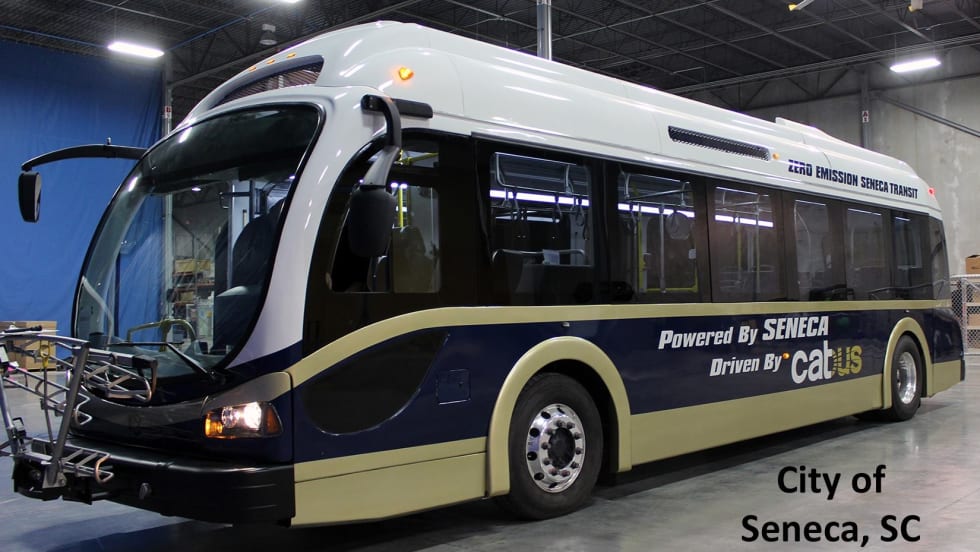
The buses, manufactured by Proterra, can run for 35 miles between charges and get the equivalent of 19 miles per gallon compared to four miles per gallon for standard diesel buses.
Read More →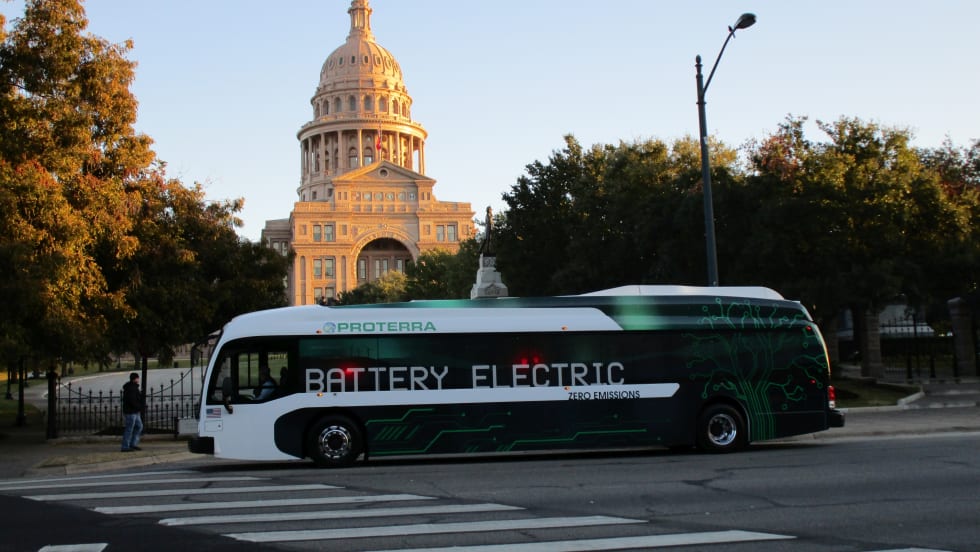
With the introduction of the new TerraVolt extended-range battery, Proterra buses can now be configured to travel up to 180 miles between charges.
Read More →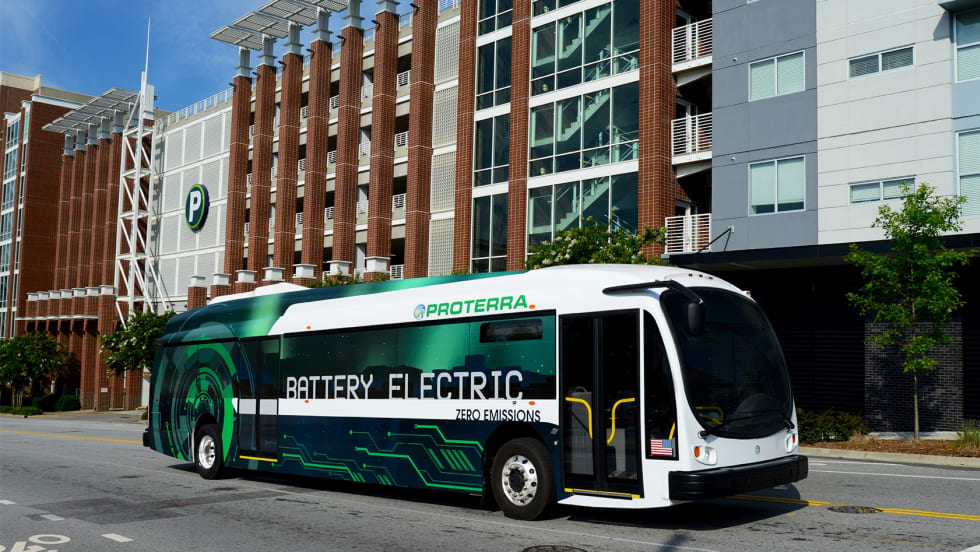
Six transit agencies awarded grants to purchase Proterra battery-electric buses and chargers.
Read More →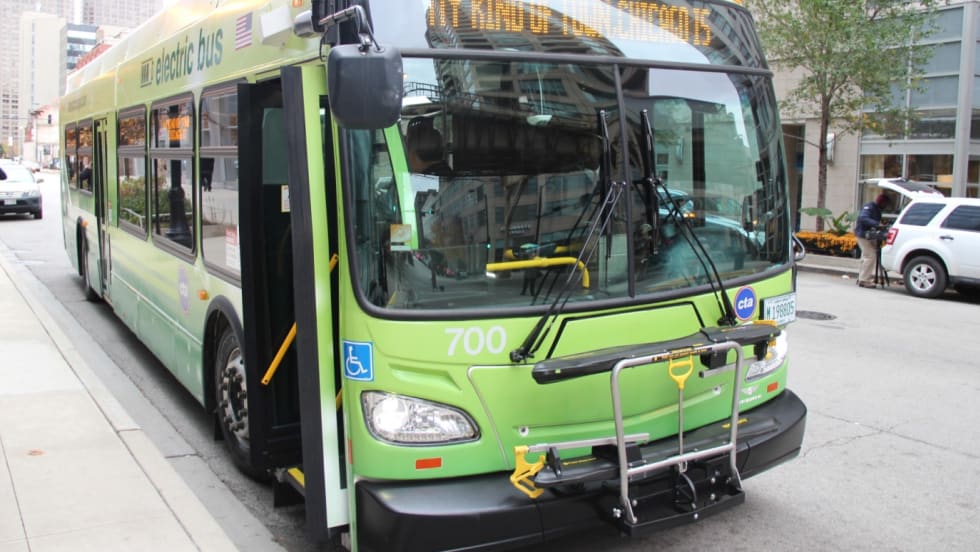
While CTA’s electric buses are the first New Flyer XE40 heavy-duty transit buses to enter into regular transit service, an earlier prototype bus has undergone all-weather service testing in Winnipeg, Canada and has been operating in shuttle service since March 2014.
Read More →