
Metro Magazine

 MENU
MENU SEARCHMENUSEARCH
Loading data...
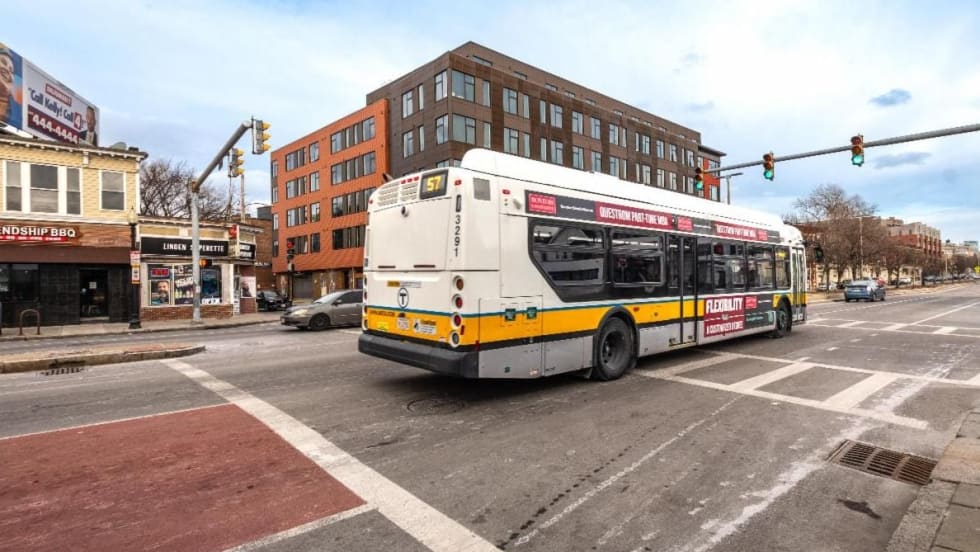
Up to 50% of transit delays consists of waiting at red lights in signalized intersections and these upgrades have the potential to significantly reduce that time.
Read More →
Virginia, Minn.’s Arrowhead Transit is the second largest rural public transit system in the U.S. In our latest edition of METROspectives, Arrowhead Tranit’s Dominick Olivanti and Colette Hanson join METRO’s Executive Editor Alex Roman to discuss public transit from a rural provider perspective.
Read More →
SEPTA Key 2.0 is a next-generation system that will substantially improve the customer experience, while positioning SEPTA as a forward-thinking innovation leader in the transit industry.
Read More →
The 46th annual iconic show brings together an expected 2,500 attendees from North America’s motorcoach and group travel industries, offering opportunities to expand business growth, network, and stay up to date on industry innovations.
Read More →
CATS Micro is an on-demand, shared-ride service that gets passengers where they need to go, for the same fare as a local bus or rail trip.
Read More →
In six years, Nashville’s WeGo Transit was able to lick their wounds after a soundly beaten ballot measure to pass a substantial referendum last November. In our latest edition of METROspectives, WeGo Transit CEO Stephen Bland joins METRO’s Executive Editor Alex Roman to discuss what changed over six years and much more.
Read More →
Biz Briefs covers the latest supplier news in the motorcoach and public transit industries.
Read More →
The funding from FTA’s Enhancing Mobility Innovation program enables transit agencies and research organizations to advance technologies, strategies, and innovations that create a safe, reliable, equitable, and accessible transit experience.
Read More →
The Blueprint serves as a foundational guide for the use of technology across the country that will improve the safety, efficiency, and resiliency of our transportation and infrastructure.
Read More →
Preliminary analysis of agency responses shows more than two-thirds of transit agencies determined that strategies are necessary to reduce the risk related to assaults on transit workers, and these agencies are working to roll out a variety of mitigation measures.
Read More →