



FTA Releases Preliminary Findings on How Transit is Improving Worker Safety
Preliminary analysis of agency responses shows more than two-thirds of transit agencies determined that strategies are necessary to reduce the risk related to assaults on transit workers, and these agencies are working to roll out a variety of mitigation measures.

FTA’s analysis summarizes current safety strategies used by transit agencies and how they measure their effectiveness in reducing assaults on transit workers.
Photo: FTA
A preliminary analysis of actions taken in response to a general directive by the Federal Transit Administration (FTA) shows hundreds of transit agencies are taking steps to address safety for their workforces, but the industry still has work to do to reduce the known risks associated with the potential for assaults on transit workers.
Transit Workforce Safety
According to data from the National Transit Database, assaults on transit workers increased more than 232% between 2014 and 2024.
In response to this trend, FTA issued a general directive that required more than 700 transit agencies to complete a safety risk assessment and provide information on how they are working to prevent assaults.
FTA’s preliminary analysis of agency responses shows more than two-thirds of transit agencies determined that strategies are necessary to reduce the risk related to assaults on transit workers, and these agencies are working to roll out a variety of mitigation measures.
"The increase in assaults against transit workers over the past decade is simply unacceptable,” said FTA Deputy Administrator Veronica Vanterpool. “Transit workers are the backbone of critical services across the country, and they should not have to fear attacks and harassment at work. Today’s initial findings are an important step in helping the industry reduce the risk to transit workers by learning from successful strategies to keep their workforces safe and could support the development of federal minimum safety standards.”
FTA’s Analysis
FTA’s analysis summarizes current safety strategies used by transit agencies and how they measure their effectiveness in reducing assaults on transit workers, including:
Audio/video surveillance, most widely reported in transit agency responses as effective for reducing assaults on transit workers.
Automatic vehicle location technology.
De-escalation training for transit workers.
Protective barriers for bus and train operators.
The preliminary analysis will serve as a tool for transit agencies to exchange strategies with peers and adopt similar tactics as they continue efforts to reduce the risk of assaults.
More Security and Safety

Transit Agencies Highlight Safety Gains at National Summit
Leaders from 15 major transit systems shared crime-reduction results and safety initiatives while discussing the role of continued federal support.
Read More →
DART Launches Major Security, Fare Enforcement Initiative
The 90-day demonstration will deploy coordinated security teams at five light rail stations while testing controlled access and gathering data to guide future investments.
Read More →
RTD Launches NextRide App to Consolidate Trip Planning, Fares, Security Reporting
The app expands on RTD’s existing NextRide web application and allows customers to view real-time vehicle locations and service alerts, purchase and store digital fares, and access customer support.
Read More →

TAPTCO Updates OSHA Compliance Training for Transit Maintenance Operations
The revamped program addresses 26 OSHA standards for maintenance facilities, with TAPTCO pointing to training, documentation, and everyday shop hazards as continuing challenges for transit operations.
Read More →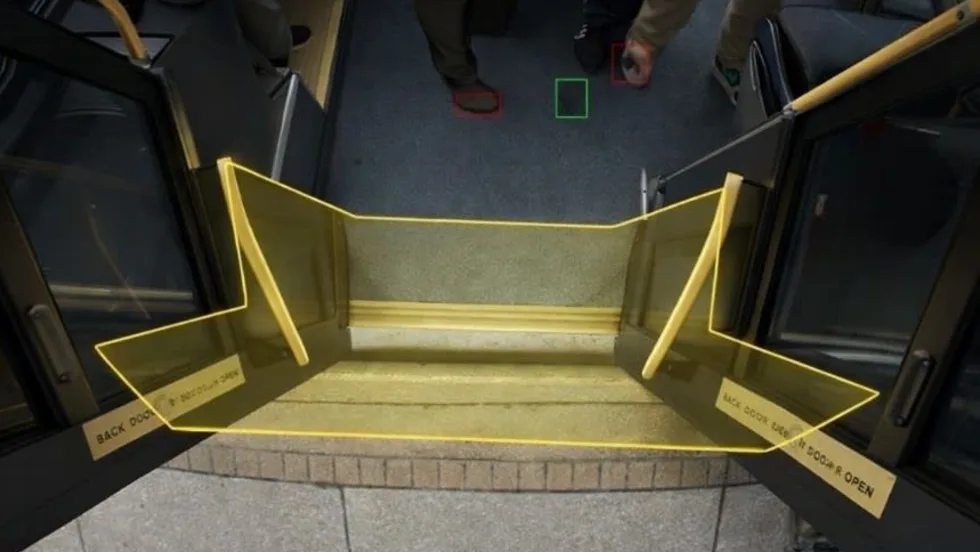
How VaporVision Adds Value to Transit Door Systems
Wabtec engineers explain how the system improves doorway detection, strengthens diagnostics and gives transit agencies and OEMs greater operating flexibility.
Read More →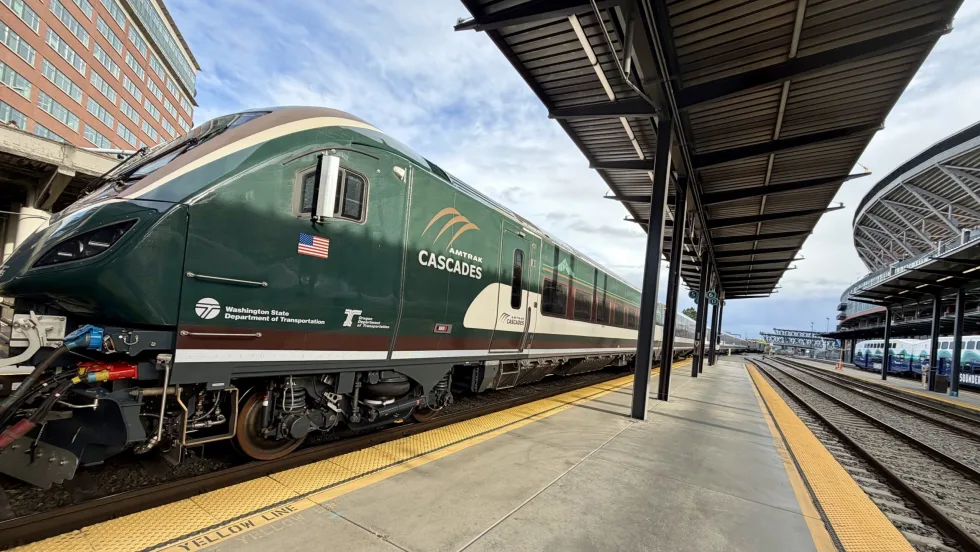
FRA Announces $5.3B in Rail Investments, Including $2B for Amtrak
Funding will support grade-crossing improvements, infrastructure upgrades, and new Amtrak equipment in 23 states.
Read More →
Chicago, Maryland Expand Non-Law-Enforcement Safety, Rider Support
The CTA and MTA are launching new programs aimed at de-escalation, crisis response, rider assistance, and greater transparency.
Read More →
LA Metro, City of West Hollywood, and Partners Advance Smarter Bus Lane Enforcement
The award-winning partnership combines AI-powered detection with human oversight to improve bus reliability, accessibility, and enforcement efficiency.
Read More →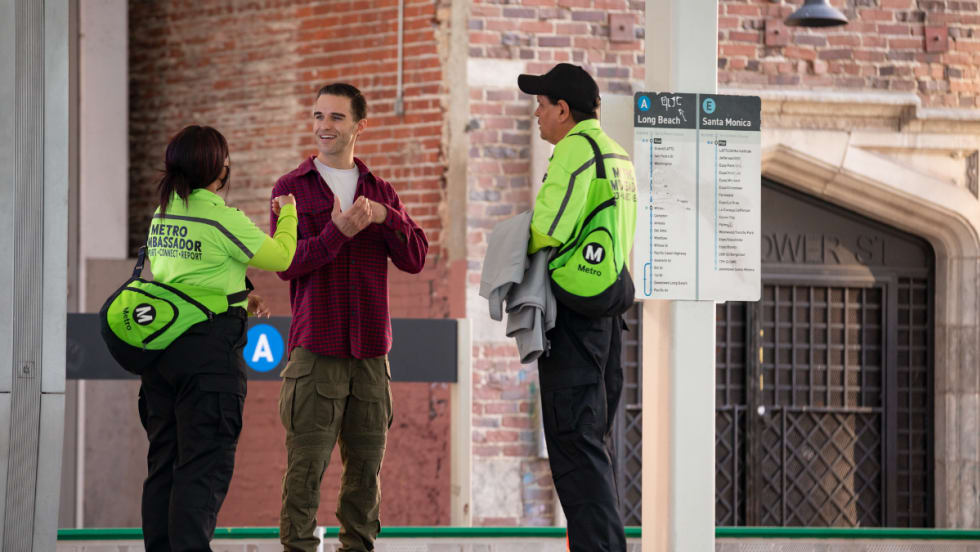
LA Metro Reports 57% Decline in Homelessness on Transit System Since 2024
The agency's latest homelessness count offers new data on how care-based services and cross-sector partnerships can complement traditional transit security strategies.
Read More →
FTA Launches 'Transit Moves America' Dashboard to Highlight Agency Safety and Performance
The online dashboard transforms National Transit Database information into a public-facing resource that allows users to compare transit agencies on key operational and safety metrics.
Read More →