
Metro Magazine

 MENU
MENU SEARCHMENUSEARCH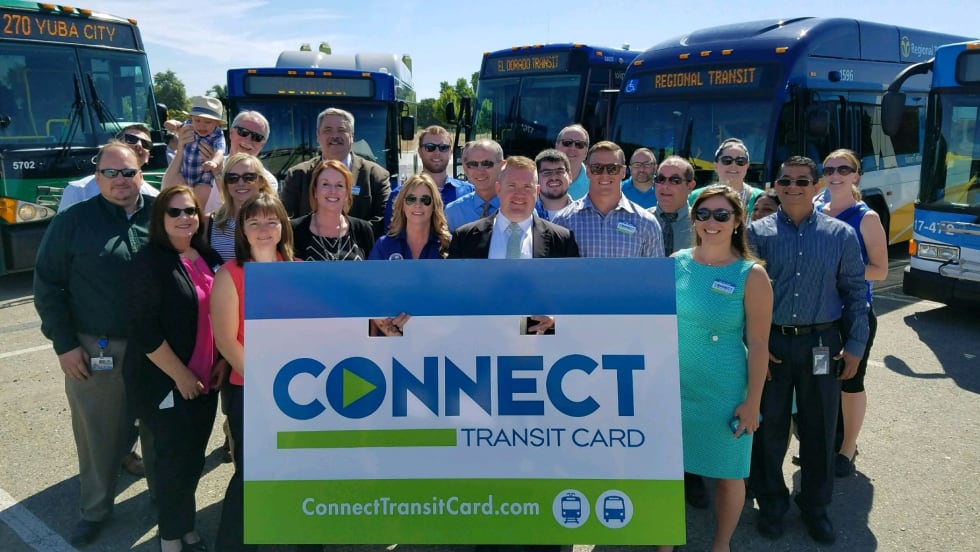
The system incorporates nine transit agencies covering six counties within the Sacramento region serving a population of 2.5 million.
Read More →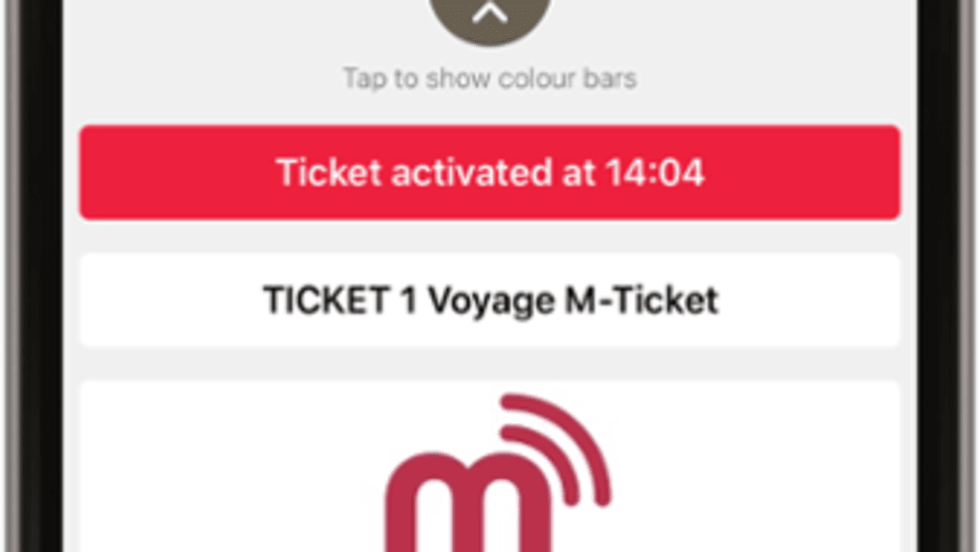
The first network to use the app in its complete version is TAO (bus and trams) in Orléans, France.
Read More →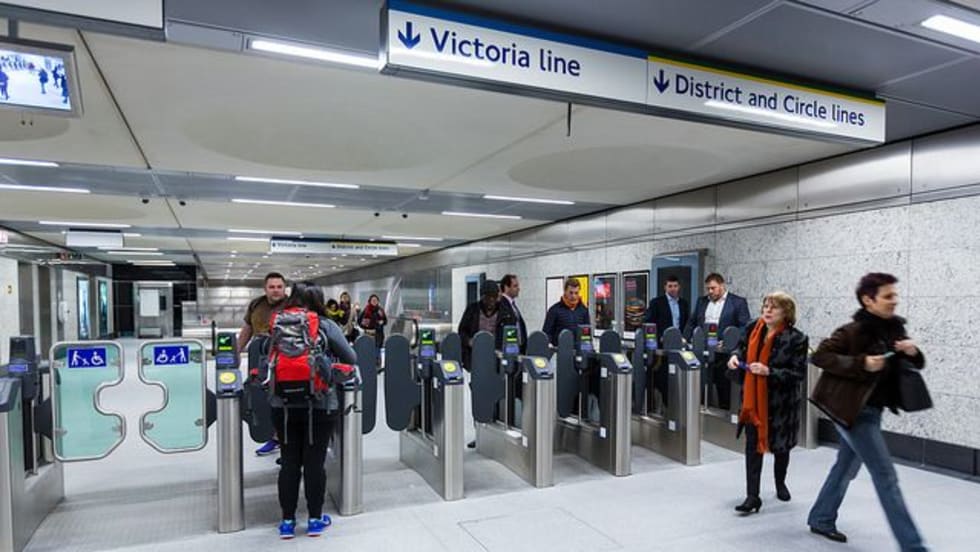
The new payment app, Samsung Pay, which can be downloaded from the Samsung Galaxy Apps store, supports MasterCard and Visa credit and debit cards from major UK financial institutions.
Read More →
Fare Connect combines the power of moovel’s proven mobile ticketing software with the speed and simplicity of contactless technology to make boarding convenient and simple.
Read More →
Investigators said the thieves climbed aboard by pushing open the bus doors, then pried open the fare boxes.
Read More →
The Regional Transportation Commission of Washoe County has a host of new BRT projects and has recently launched a mobile fare payment app.
Read More →
The incident happened at 9:30 p.m. Saturday at the Coliseum Station in Oakland aboard a Dublin/Pleasanton-bound train.
Read More →
The program will be evaluated after a six-month period to determine whether customers feel that the app fare payment is beneficial, in addition to BBB staff determining the cost/benefit of adding the app to BBB’s suite of fare media products.
Read More →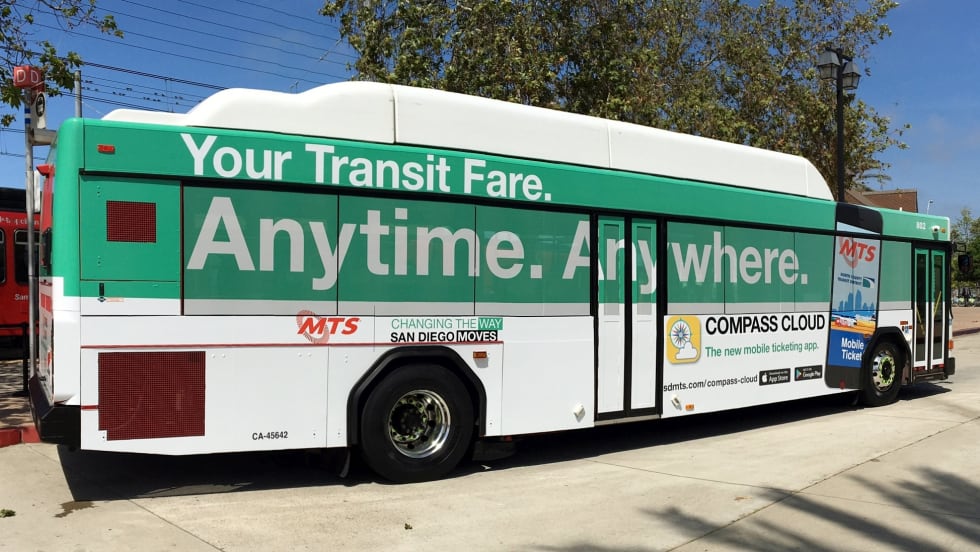
In the first phase, day passes, 30-day passes and COASTER one-way tickets will be available for adult passengers. Future phases will include discounted fares for youth, seniors, and disabled.
Read More →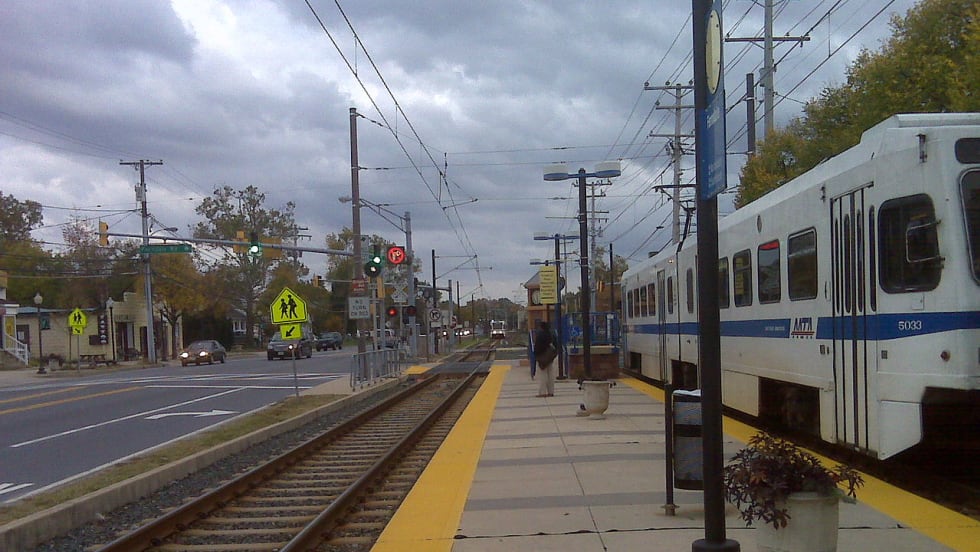
Supporters say the “farebox recovery ratio” mandate, in place since at least the 1990s, discouraged the state from investing in transit systems to make them more appealing and, in turn, increase revenues.
Read More →