
Metro Magazine

 MENU
MENU SEARCHMENUSEARCH
Loading data...

Funded by President Biden’s Bipartisan Infrastructure Law, MST will use the funding to build a six-mile dedicated busway as a part of a 20-mile planned route that will connect Monterey to Salinas.
Read More →


In our latest edition of METROspectives, Arrowhead Tranit’s Dominick Olivanti and Colette Hanson join METRO’s Executive Editor Alex Roman to discuss public transit from a rural provider perspective.
Read More →The firms were among multiple companies that bid on three separate construction packages.
Read More →In METRO's latest installment, we take a look at the latest news in Philadelphia, Iowa, Virginia, and more.
Read More →With just a couple of months under his belt, Fred Ferguson talks about what he’s learned about the industry, the opportunities he sees, and how the industry is emerging post-COVID pandemic.
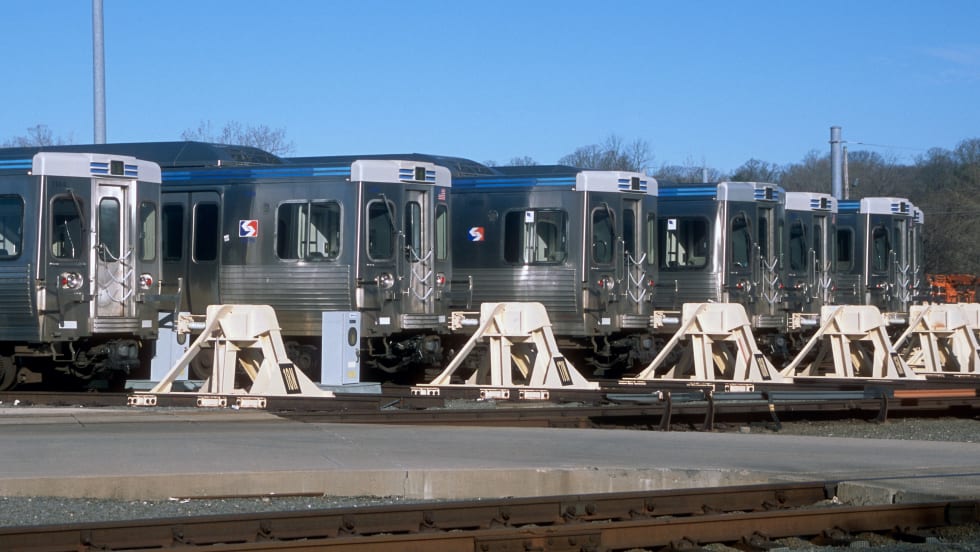
Read More →The $153 million being flexed to SEPTA at the direction of Gov. Shapiro covers SEPTA’s projected operating budget gap through the current fiscal year, which ends on June 30.
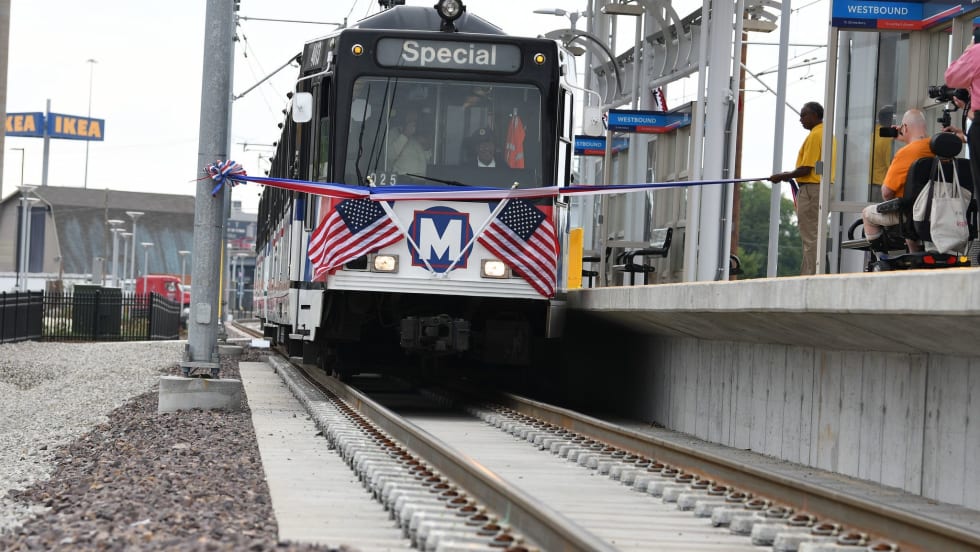
Read More →Through contractual agreements and local sales tax revenues, St. Louis County, the City of St. Louis, and St. Clair County Transit District will provide approximately $312 million of support for the $328,980,534 operating budget and the three-year capital budget of $1,037,311,983.
Read More →Amtrak is investing $260 million for track infrastructure improvements during the summer months, along with other ongoing work.
Read More →The planning grants will help SacRT improve safety, help residents make better transit connections, and meet the mobility needs of the growing region.
Read More →The agency is also releasing results of an independent Efficiency Review conducted by Ernst & Young, which found limited opportunities to cut costs without reducing transit service.
Read More →