
Metro Magazine

 MENU
MENU SEARCHMENUSEARCH
Loading data...

Community Transit’s draft six-year Transit Development Plan for 2013-18 calls for the increase by 2017, while adding no significant new service growth.
Read More →Boasts a consistent on-time performance of better than 97%, a customer satisfaction rating of 93% and annual ridership of about 84 million. In 1983 system-wide on-time performance was hovering at 80.5% and annual ridership was 42 million and dropping.
Read More →New data shows that 37.5% of D.C. residents use public transit to get to work, compared to 33.2% in 1999.
Read More →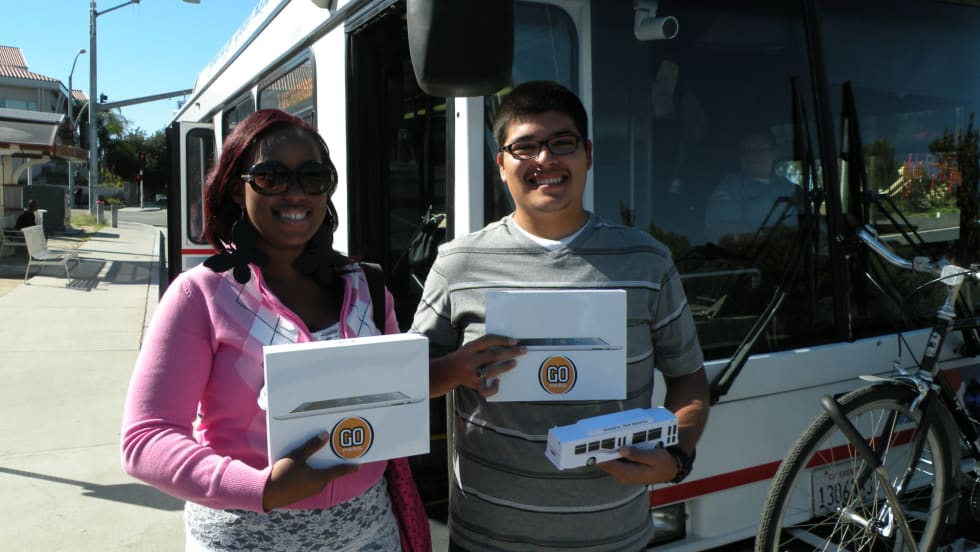
The Go-Pass and U-Pass programs experienced more than 1.3 million student boardings this fiscal year. To celebrate, the agency is giving away iPads to a student from Riverside City College and another from Moreno Valley College.
Read More →After dramatic increases in adult ridership — 105% for the first nine months and 111% in just the last three months — the system plans to conduct a study to help it better serve its customers.
Read More →Ridership reached 81,964 passenger boardings — mostly represented by staff, faculty and students — which is a significant jump from the previous record of 55,428. The system plans to acquire three more used buses.
Read More →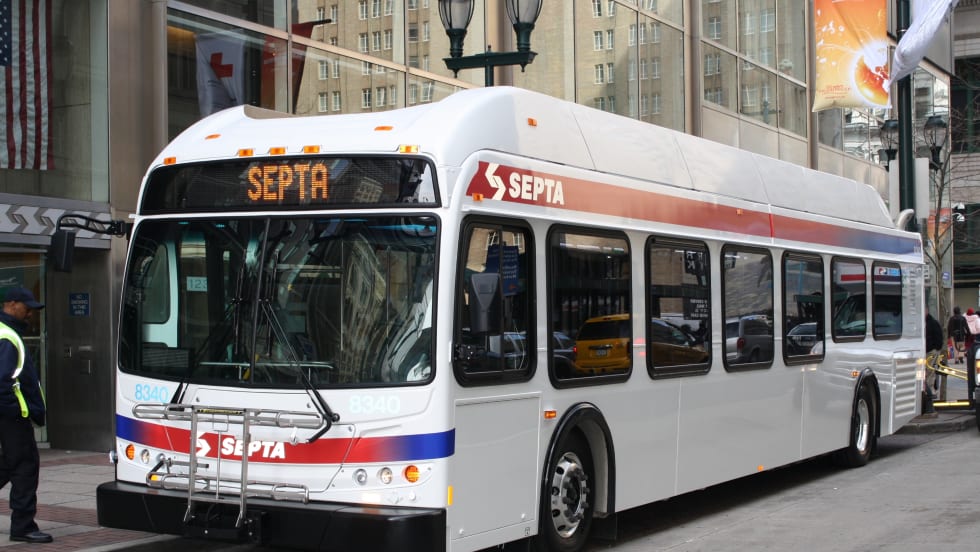
GM Joseph M. Casey said the award is a testament to the hard work of the Authority's employees. Annual trips system-wide are up 32 million since 2007 - indicating success with initiatives to attract and retain new customers.
Read More →There were 55.5 million passenger trips taken on bus during the year, which was 5.2% higher than the previous fiscal year and more than 800,000 more passenger trips taken in fiscal year 2009, which was when the previous bus ridership record was set.
Read More →Edmond, Okla.'s Citylink bus service has grown ridership on its campus route, known as Broncholink, since it began operation of the service, which will require switching to a larger bus.
Read More →Recently, the University of Michigan Transportation Research Institute in Ann Arbor conducted a study on the driving habits of 16 to 39 year olds. The study found that number of 17-year-olds that had a driver’s license dropped significantly over a period of 25 years, from 69% in 1983 to 50% in 2008. Meanwhile, American aged 20 to 24 saw a drop as well, from 92% in 1983 to 82% in 2008.
Read More →