
Metro Magazine

 MENU
MENU SEARCHMENUSEARCH
The agency added 25 new fare inspectors or transit agents on its system and saw fare evasion dropped from 15.5% in May to 5.1% in August.
Read More →
The acquisition allows the companies to continue their ongoing collaboration and expand their offerings in the growing mobile market.
Read More →
Isilines, a new long-distance passenger transport division of Transdev Group, has been using Bitcoin as a method of payment alongside traditional credit card payments on its website since early August.
Read More →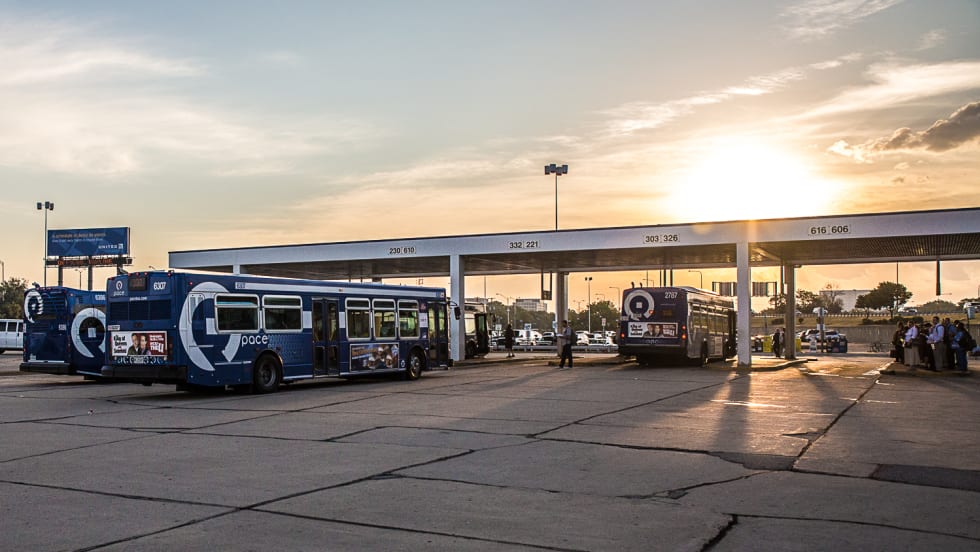
The Ventra Mobile App provides one-stop convenience for transit riders who travel on CTA’s “L” trains or buses, Pace buses or Metra commuter trains – enabling the transit rider to plan, manage and pay for their journeys.
Read More →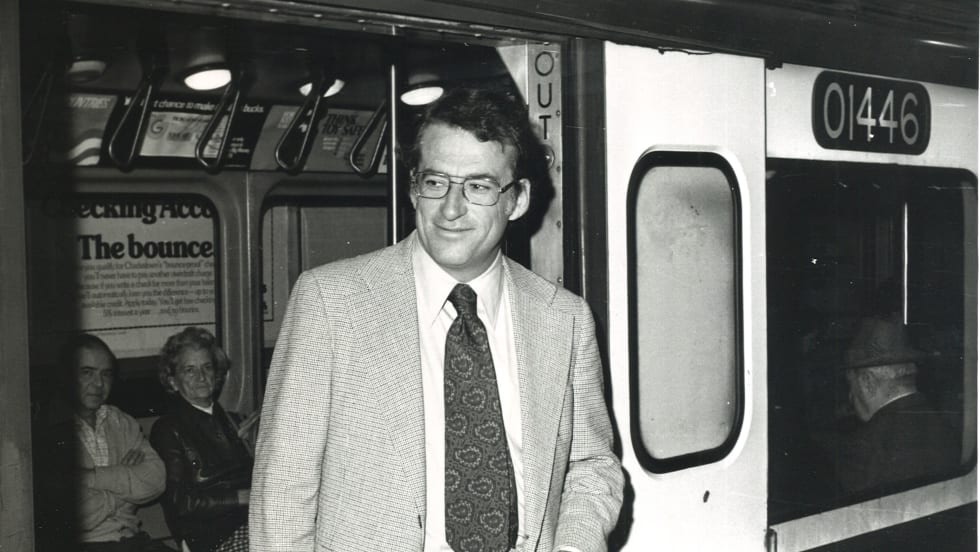
One of Kiley’s most enduring legacies was the removal of graffiti — a potent symbol of disorder — throughout New York City’s subway system.
Read More →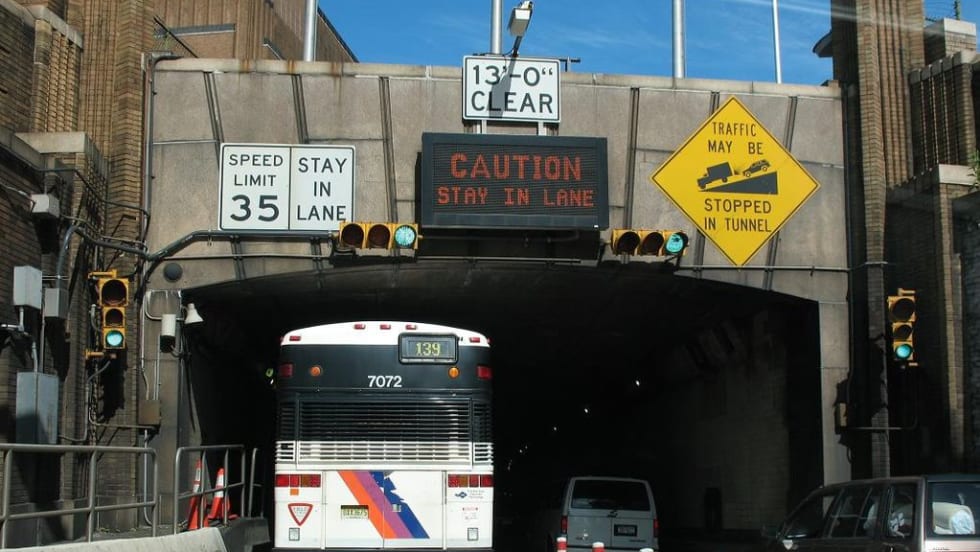
This latest update to the Mobile App now allows customers on additional bus routes to use the MyTix feature to purchase and display one-way tickets for bus travel between New York and New Jersey and between Philadelphia and New Jersey.
Read More →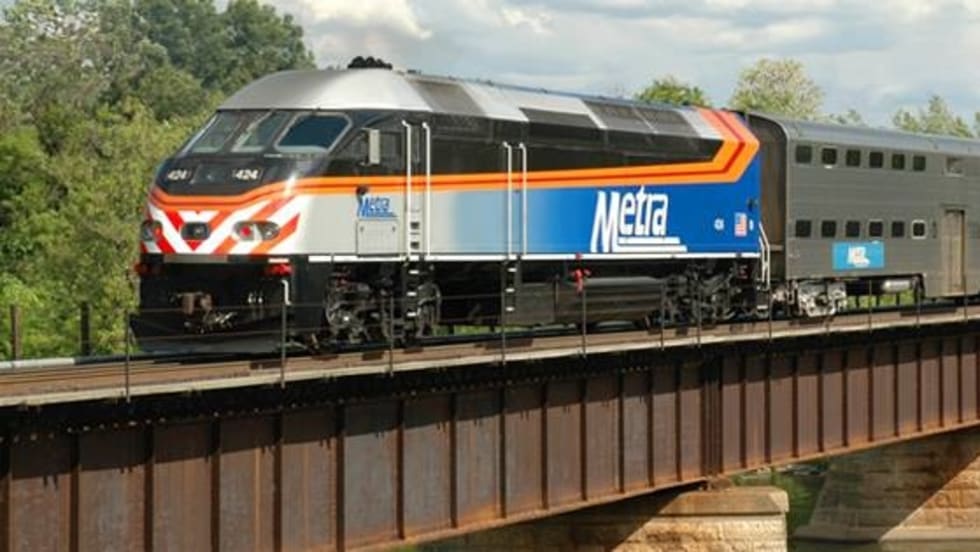
California-based Four Nines Technologies’ scope of work includes determining opportunities and costs of potential fare structure changes and developing a model that can help Metra evaluate those potential changes.
Read More →
Ah, summer. Pool parties, barbecues, the smell of honeysuckle and the sight of lightning bugs. Or — a rise in crime, agitated riders seeking air conditioning, heat stroke, a new fiscal year, and the necessary, but unpopular, fare increases. However you view the summer months, with a direct correlation between high temperatures and increased crime, it's vital for transit leaders to be asking themselves, "Have we done everything possible to keep our people safe?"
Read More →
The project will soon also bring together other transportation options, such as parking, ride share, bike share, public transit and taxis.
Read More →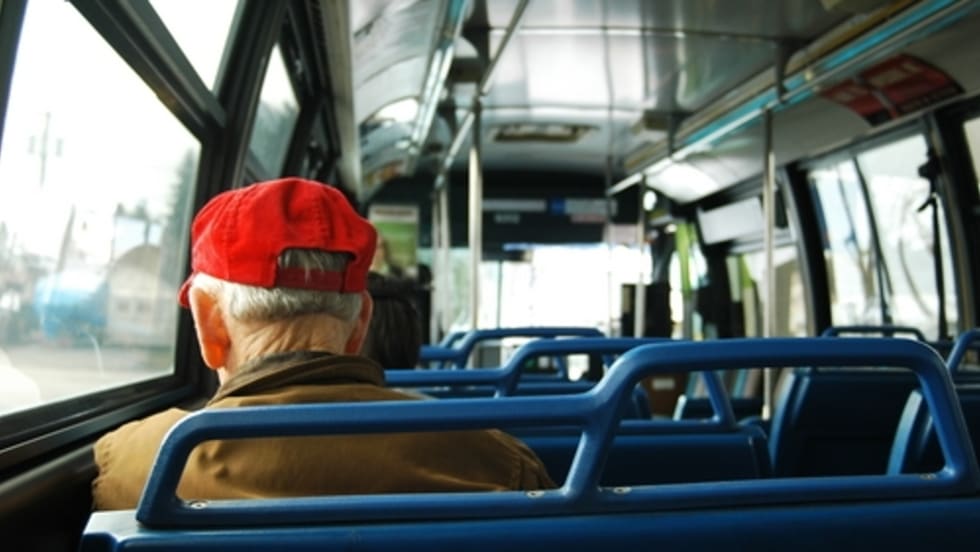
The American Occupational Therapy Association’s plan helps families identify signs that older drivers may become unsafe and makes suggestions to help seniors maintain mobility, such as using paratransit services and reduced transit fare programs.
Read More →