
Metro Magazine

 MENU
MENU SEARCHMENUSEARCH
Loading data...

The manufacturer will supply 135 40-foot CNG heavy-duty transit buses with options for up to an additional 340 CNG buses.
Read More →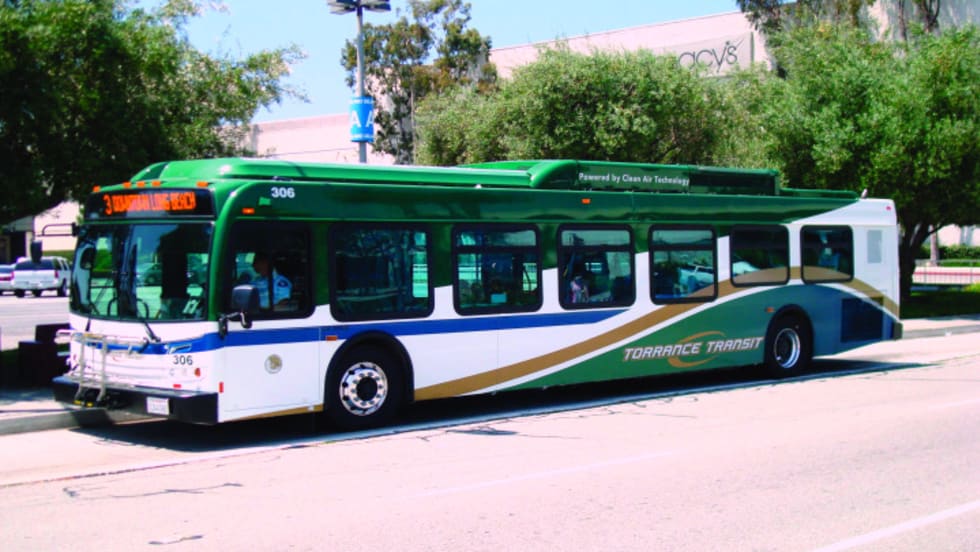
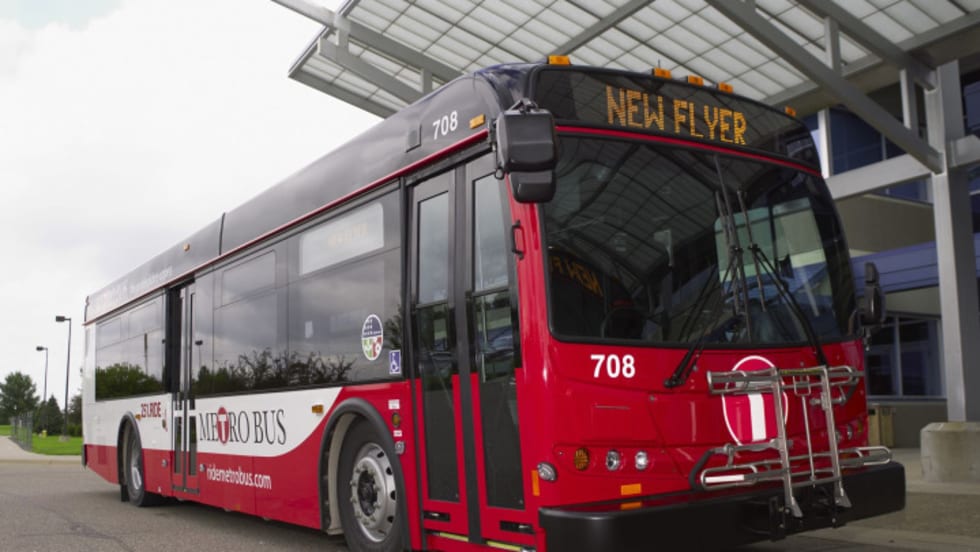

The agency hopes to have an all-hybrid bus fleet in place by FY2015/2016.
Read More →Featuring upgraded styling and continuous flush windows, the new buses will be used in regular transit service beginning this summer.
Read More →Will operate on a variety of routes from June 3-11, ensuring that passengers, drivers and maintenance personnel have the opportunity to provide comments about the bus.
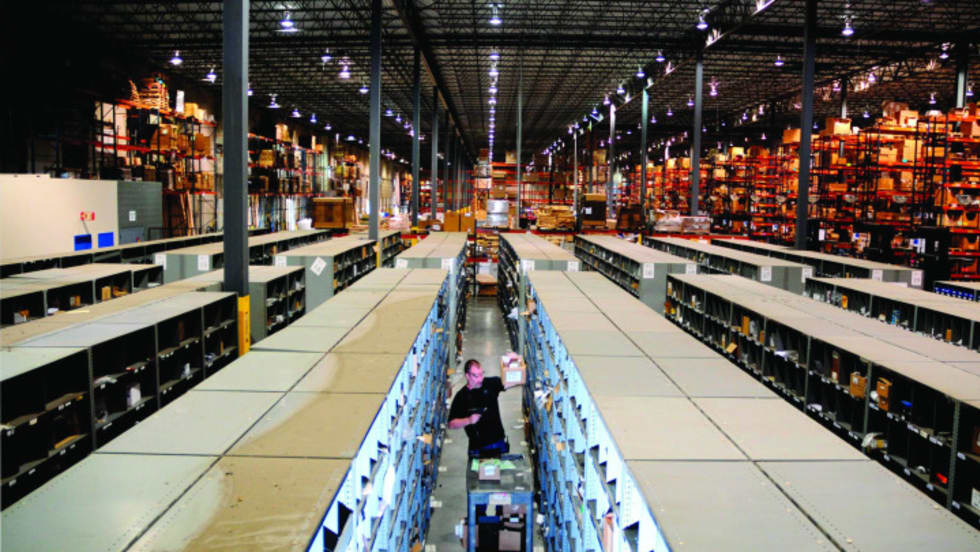
Read More →Transit agencies see several cost savings in outsourcing parts inventory management, including personnel, storage and procurement costs. Other advantages include dealing with just one parts vendor, reduced inventory, streamlined supply chain and improved availability.
Read More →Key benefits of this agreement for Ottawa include an estimated 26 percent reduction in fuel consumption and an estimated 15 percent reduction in maintenance costs.
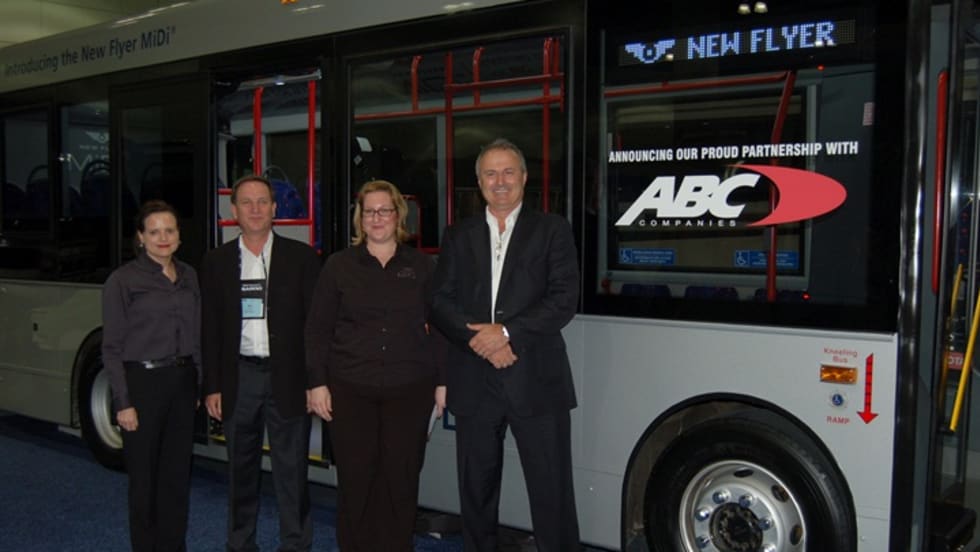
Read More →Awards are presented to suppliers with shipment volumes to New Flyer production facilities above 50 per year and an overall on-time performance level of at least 95 percent or higher.
Read More →TCB designs and manufacturers interior LED lighting systems, grab rails and seamless Stanchions, drivers' barriers and other miscellaneous bus parts.
Read More →Where possible, New Flyer operates "satellite" recycling depots for the convenience of its employees and offers preferred parking to employees participating in carpools.
Read More →The multi-faceted program includes implementation of a 5S concept where workstations have been reorganized and cleaned up for better efficiency, while a new interactive tracking tool allows employees to capture, track, measure and communicate installation statuses.
Read More →