
Metro Magazine

 MENU
MENU SEARCHMENUSEARCH
Loading data...

Butch McDuffie has worked with local elected officials and state legislators to improve awareness of public transportation opportunities, develop legislation, and identify alternative funding sources for all public transit systems across Georgia.
Read More →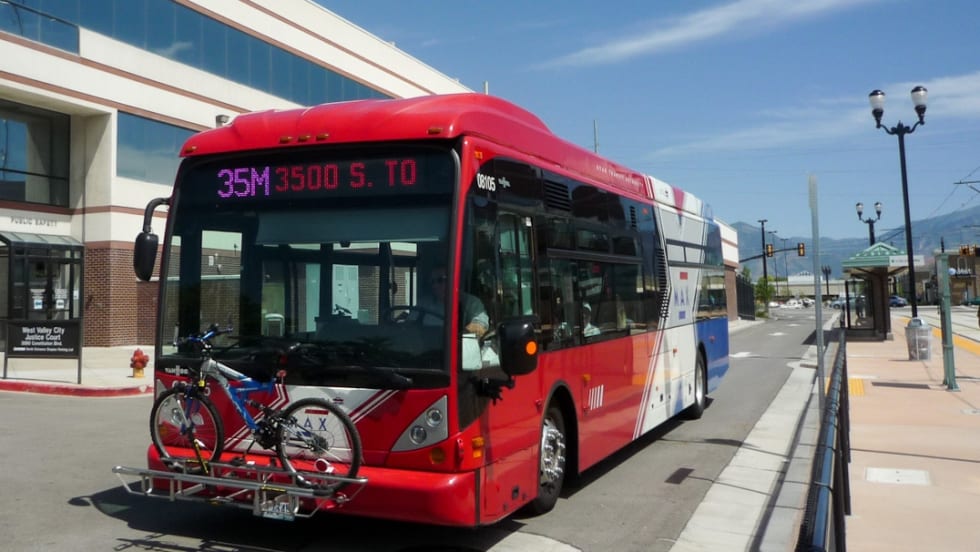
From the north, the line will originate at the Orem Transit Center and run to downtown Provo, with stops at Utah Valley University, Brigham Young University, and the Provo Central Station.
Read More →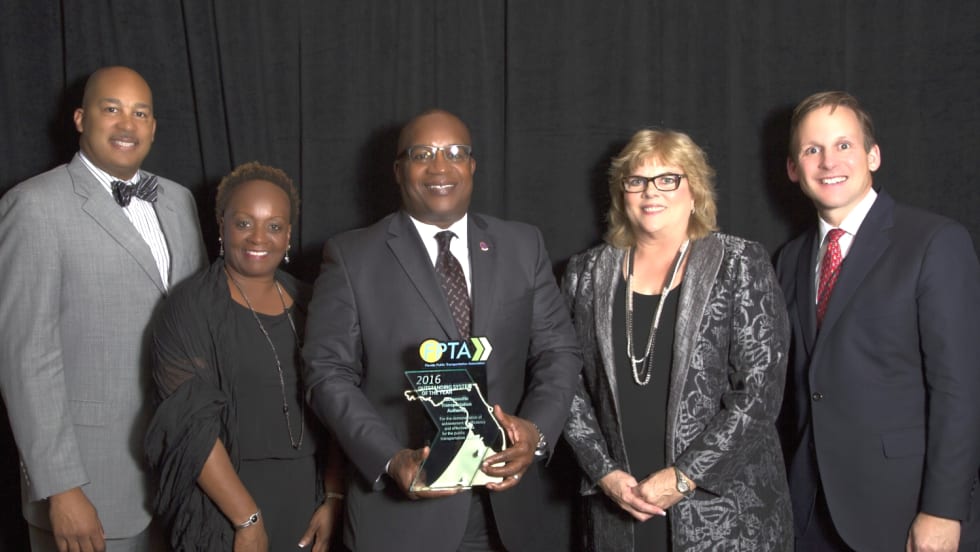
Agency was judged on safety, operations, maintenance, access, customer service, financial management, sustainability, workforce development, attendance and employee costs, minority and women advancement, marketing, and community relations.
Read More →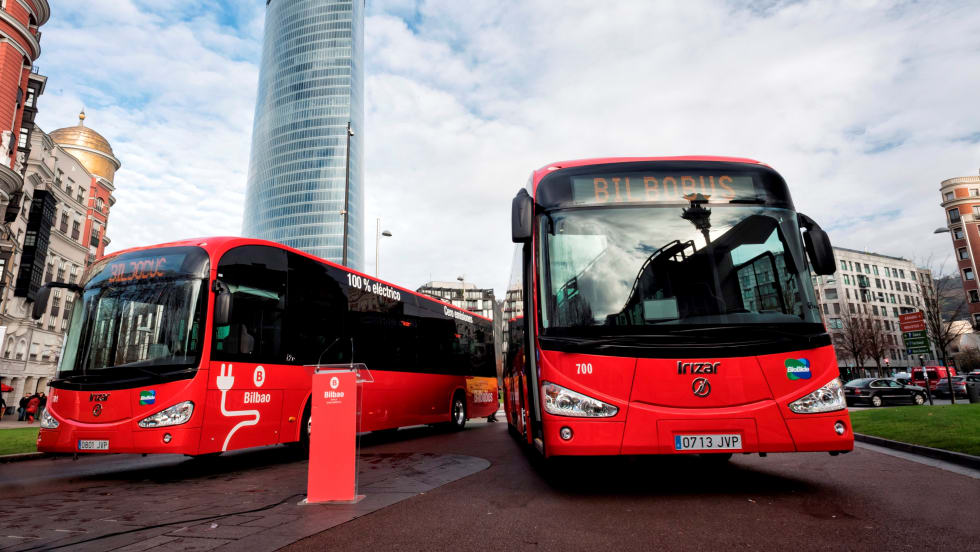
The totally silent, zero-emission vehicles achieve a range of over 124 miles and include sodium-nickel batteries that provide power to the electric motor, resulting in a nominal torque of 1500 Nm and 180 kW of power.
Read More →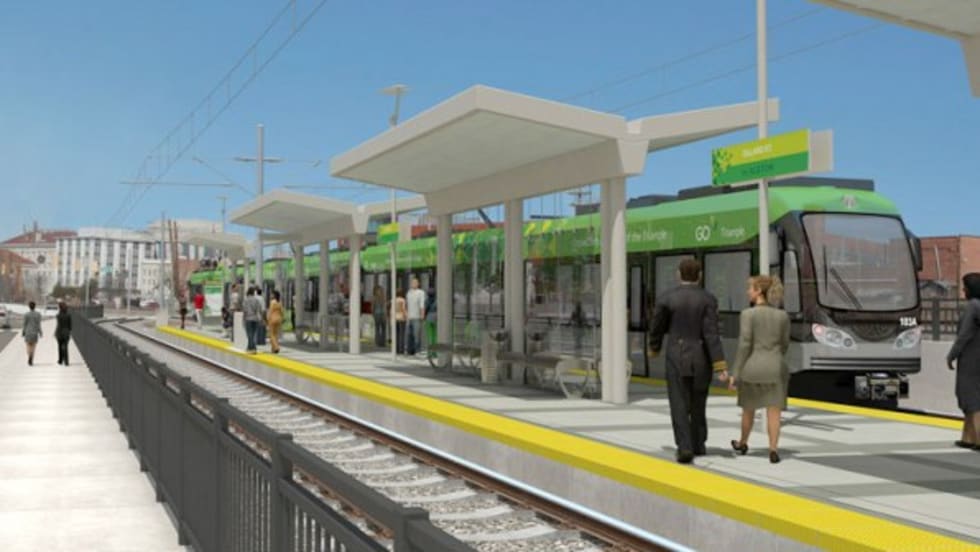
With the station at NCCU, the 17.7-mile rail line will stretch from UNC Hospitals in Chapel Hill to NCCU in Durham, connecting three major universities.
Read More →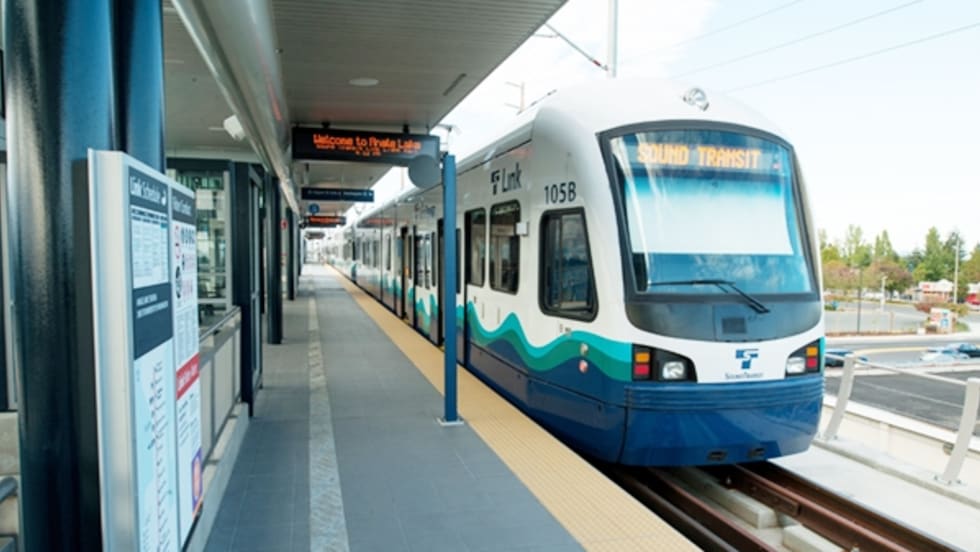
The 1.6-mile South 200th Link Extension to Angle Street Station in the Seattle suburb of SeaTac connects Sound Transit travelers to the existing 18.8-mile Link light rail that runs north to Seattle-Tacoma Airport, the city’s downtown, Capitol Hill and the University of Washington.
Read More →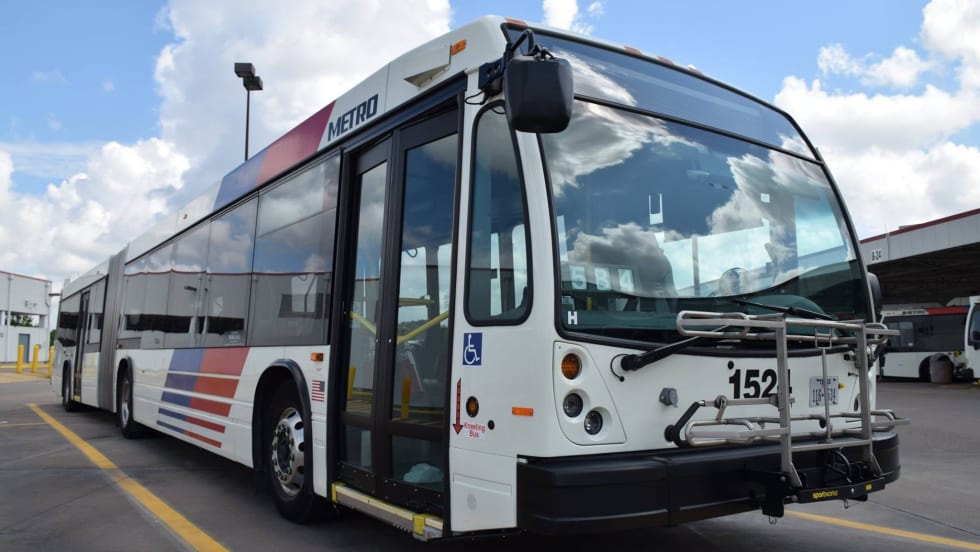
Officials concede more refinement is needed to gain riders on buses and trains.
Read More →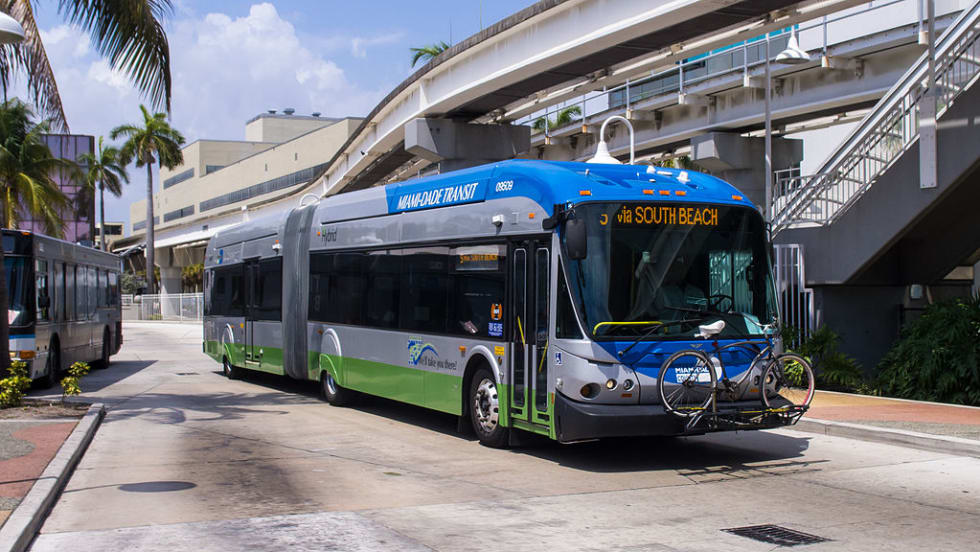
Civiq negotiated a 15-year deal with Miami-Dade officials to install up to 300 of the kiosks at bus stops and Metrorail stations across the county.
Read More →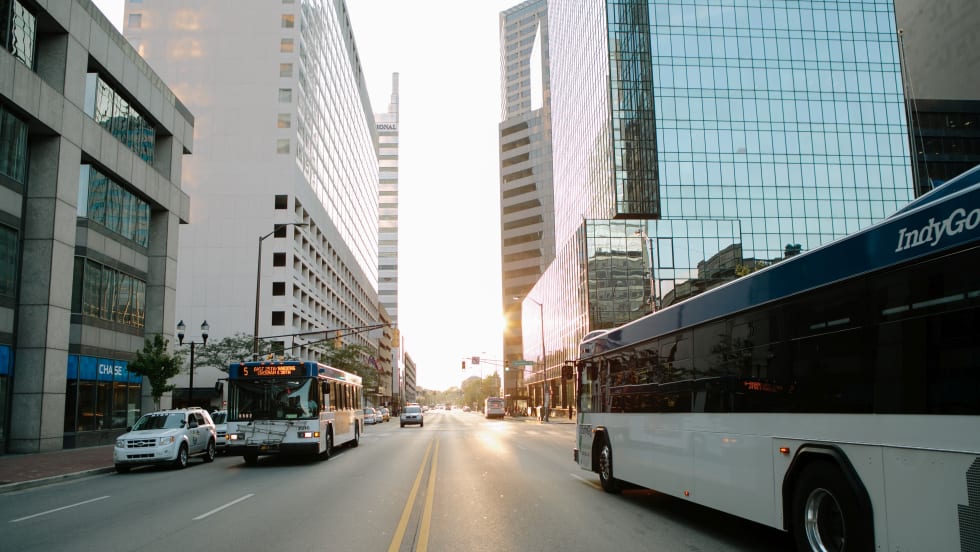
Goals of the "Ladders of Opportunity" pilot were to build and restore transportation connections, develop workforce capacity, and catalyze neighborhood revitalization in Atlanta; Baltimore; Baton Rouge, La.; Charlotte, N.C.; Indianapolis; Phoenix; and Richmond, Va.
Read More →
Surveys conducted between 2003 and 2016 show the number of student car commuters who drove alone fell to 25% from 75%, while staff and faculty drive-alone commutes dropped from 59% to 53%.
Read More →