
Metro Magazine

 MENU
MENU SEARCHMENUSEARCH
Loading data...

All business lines experienced growth in the first half of FY 2012 as compared to the same period the prior year, including the Northeast Corridor (up 5.2%), long-distance trains (up 3.0%) and state-supported and other short-distance routes (up 2.7%.)
Read More →Since partnering with Santa Fe College to add three new bus routes, Gainesville Regional Transit System saw a 4% increase in growth for Fall 2011 and a 3% increase for 2012. Additionally, 80,000 more passengers rode the bus in February 2012 compared to February 2011.
Read More →With an increase of 2.3% over the 2010 ridership, this was the sixth year in a row that more than 10 billion trips were taken on public transportation systems nationwide.
Read More →Savings are based on the cost of commuting by public transportation compared to the cost of owning and driving a vehicle which includes the Feb. 21, 2012 average national gas price and the national unreserved monthly parking rate.
Read More →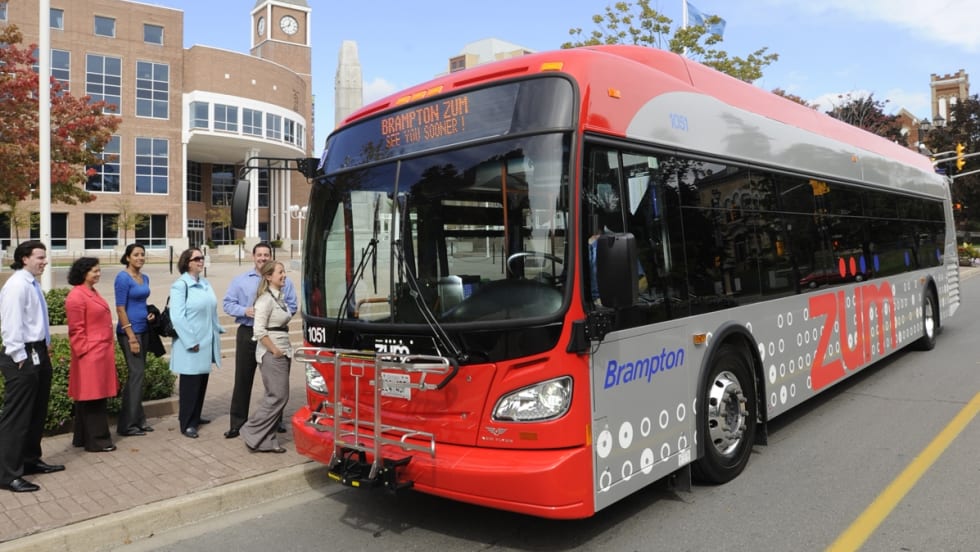
Statistics for the first six months of 2011 show an increase of 4.93% as compared to the same January to June period in the previous year, according to the Canadian Urban Transit Association.
Read More →Expecting 13 percent more commuters to use public transportation next year. Projected revenue increases are based on an expected rise in TRAX ridership — and higher fares — after the completion this summer of two highly anticipated light rail projects.
Read More →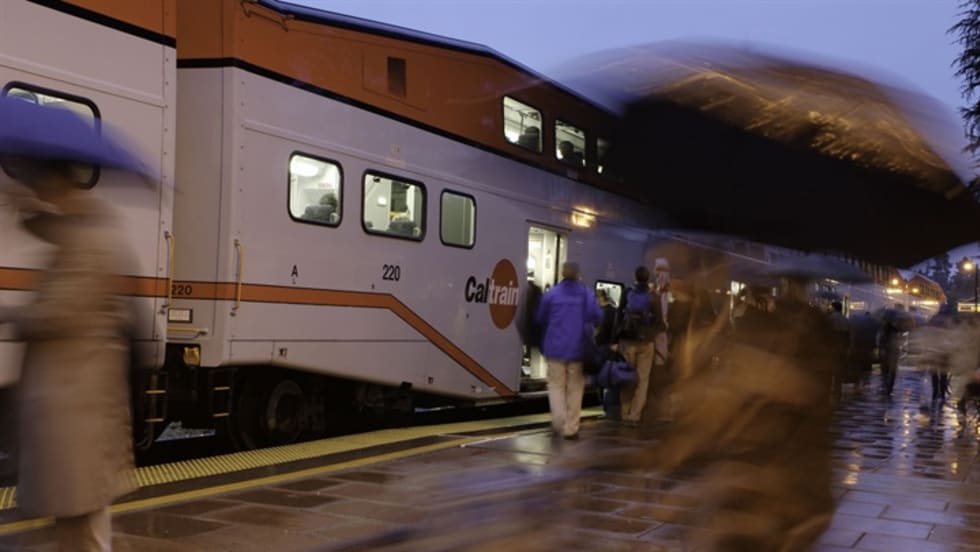
Ridership on weekend Baby Bullet trains increased 54 percent in April compared to March. The service, which was suggested by Caltrain riders, was introduced as a pilot program in January. Originally scheduled to operate for three months, it has been extended because of its success.
Read More →Comparing the first six months of FY 2011 (October to March) to the same time period in FY 2010 shows ridership is up 5.9 percent, or 802,745 passengers. In addition, during that same period ridership has increased on all three of Amtrak's major business lines: Northeast Corridor up 3.9 percent, state-supported and other short distance corridors up 7.7 percent, and long-distance trains up 5.3 percent.
Read More →Factors contributing to the success include a moderately improved economic environment allowing some recovery of business travel along the Northeast Corridor, sustained high gasoline prices, the increased appeal and popularity of rail travel, effective marketing campaigns and the introduction of Wi-Fi on the high-speed Acela Express trains.
Read More →Metro is a non-profit, tax-funded public service of SORTA, providing about 17 million rides per year. Metro provides fixed-route and paratransit services in Greater Cincinnati.
Read More →