
Metro Magazine

 MENU
MENU SEARCHMENUSEARCH
Loading data...

Cities ranging from Lubbock, Texas to Seattle were noted for their accessible transit services.
Read More →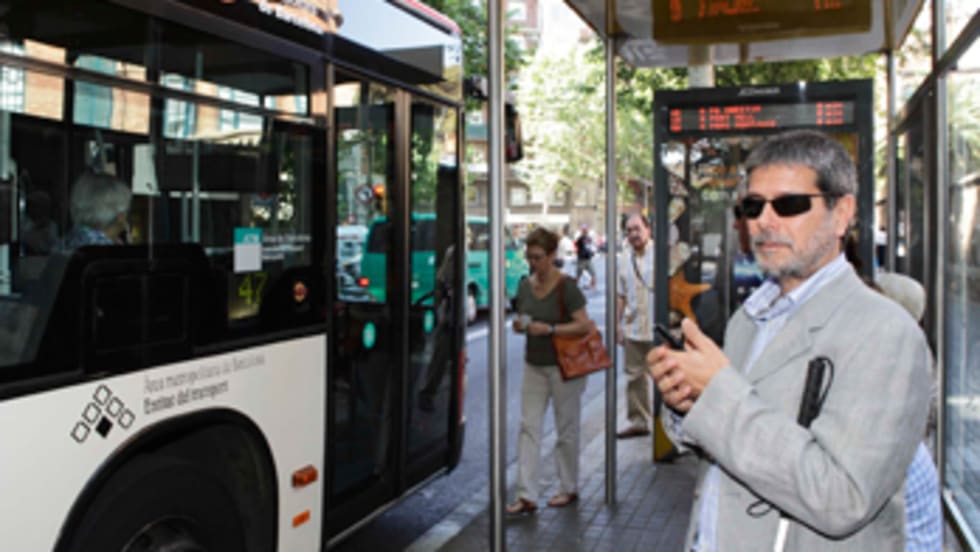
New bill requires that drivers of buses and other vehicles equipped with flashing lights use them when picking up or dropping off developmentally disabled riders. Violators are subject to a fine of at least $100 for a first offense.
Read More →The original decision grew out of discussions on how to meet growing demand for custom transit services. The goal was to redirect funding from TaxiSaver to improve these services. However, customer feedback indicated that TaxiSaver provides a valuable service to those in need and is integral to making the transit system accessible.
Read More →Will provide critical transportation for senior citizens, persons with disabilities, the economically-disadvantaged and rural residents.
Read More →They say that VIAtrans, the agency’s service that provides curbside service to people with disabilities, is refusing service and needs to hire more drivers.
Read More →The conference, sponsored by the Association of Travel Instruction, is recommended for travel trainers, mobility managers and other persons interested in greater use of public transit by all disabled individuals and seniors.
Read More →Enables some hearing aids to amplify a single source of sound. Installed on a fleet of 17 motorcoaches operating 34 scheduled routes that serve passengers throughout Michigan's upper and lower peninsulas.
Read More →OnTheBus hooks into GPS and transit data and alerts the user where and when they need to board, signal and disembark.
Read More →Claims that Megabus had 365 days to change its online reservation services so that passengers with disabilities can access schedule information and make reservations.
Read More →The smartphone app Tiramisu has been in use in Pittsburgh since the summer of 2011 and is available for iPhone and Android phones. Thus far, users have recorded more than 30,000 trips on Port Authority of Allegheny County buses and trains.
Read More →