
Metro Magazine

 MENU
 SEARCHMENUSEARCH
Loading data...

Two data devices failed to work together, causing all 28 trains to be halted for more than two hours. Officials have said that the system needs $15 billion in upgrades over the next 25 years, but only about half of the funding is lined up.
Read More →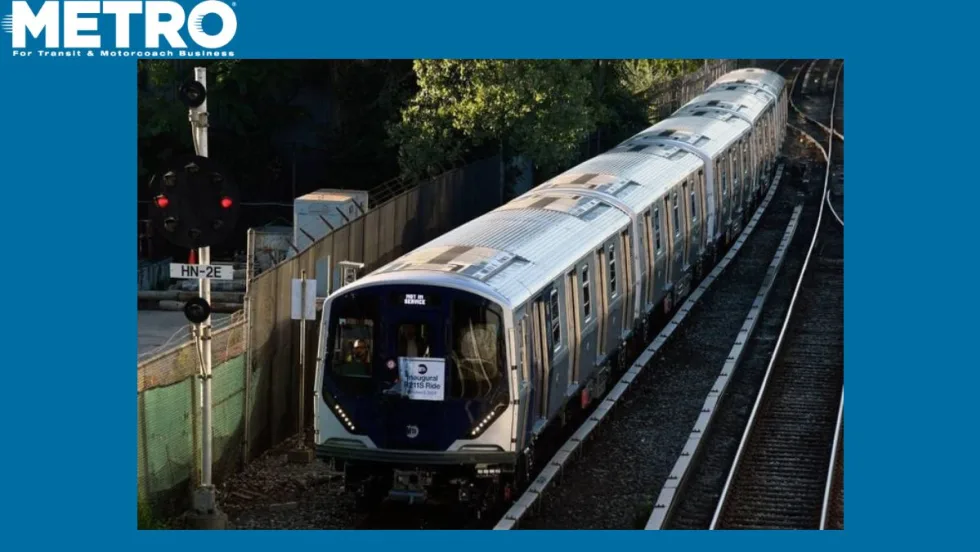
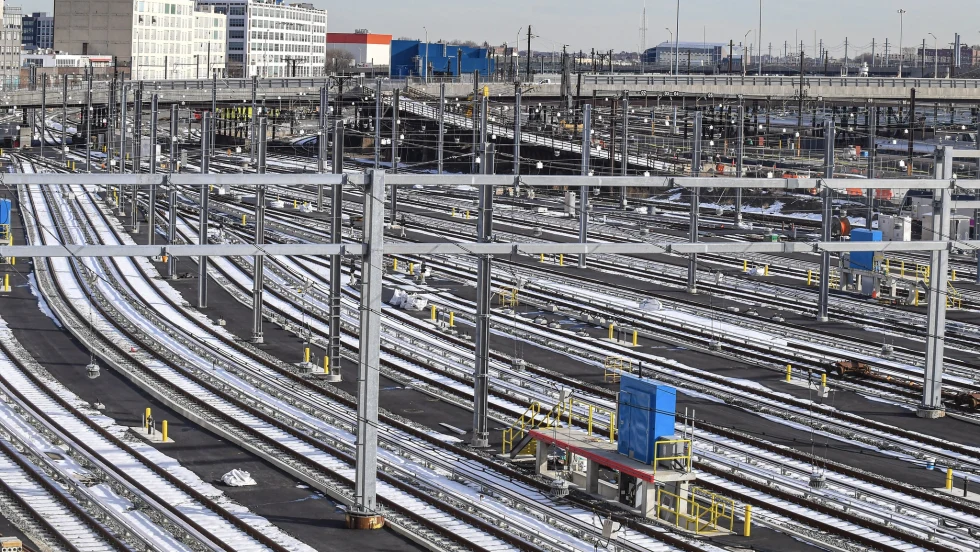


Expects by the end of 2012 to more than triple the number of track-miles on its own railroad where PTC safety technology is installed as part of a program begun more than two years ago.
Read More →Makes requirements for initial and periodic training, operational efficiency tests, and inspections of certain railroad personnel apply not only to on-board crewmembers and control center personnel, but also to the emergency response communications center personnel.
Read More →The New York MTA Transit Committee has approved the purchase of additional 435 R211 subway cars which include 80 open-gangway cars to allow them to operate open-gangway trains on the G Line starting early next year.
Read More →With readily available hardware, the TrackInspect prototype succeeded in predicting where preventative maintenance was needed, earning an expanded pilot for the technology.
Read More →The university is currently awaiting approval on plans for a new arts complex that could not only save the historic train from being removed, but also increase ridership as well.
Read More →STV provided design, inspection and test engineering support services for this initiative, which also extends north of the border to Canada where the same vehicles are being procured for Agence Métropolitaine de Transport in Montreal. The locomotives are being manufactured by Bombardier in Kassel, Germany.
Read More →When state inspectors visited Miami-Dade in late 2016, they concluded the county needed 84 working Metrorail cars a day but that mechanical problems left only 72 that could be deployed for service. State inspectors returned in late June and found Miami-Dade’s daily goal was to have only 60 Metrorail cars in service.
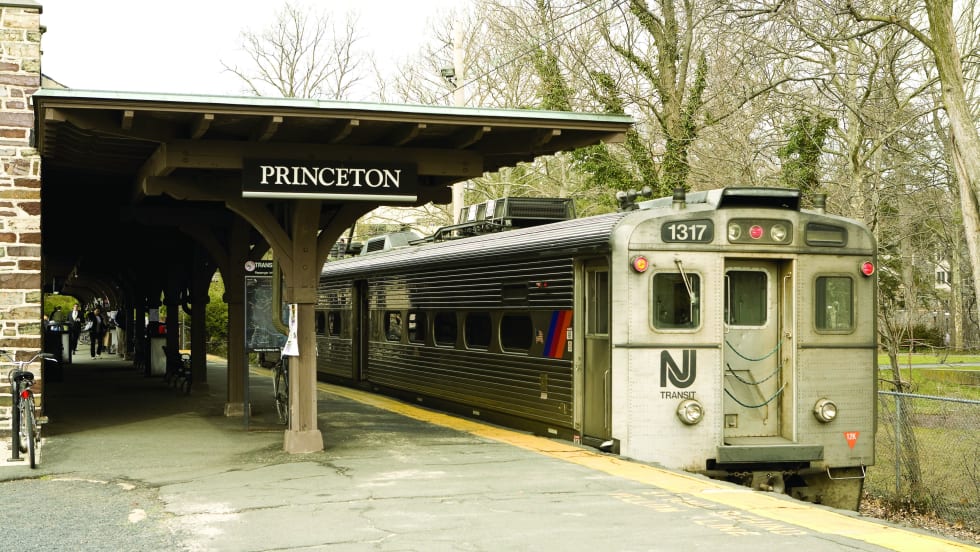
Read More →The introduction for train schedules and status information is just the latest in a long series of improvements in how the railroad communicates with its customers.
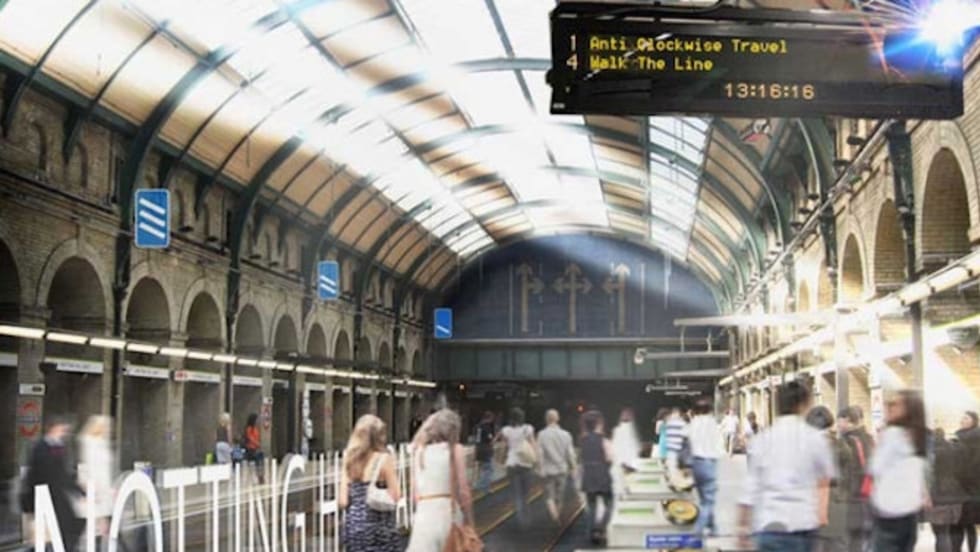
Read More →Passengers would step from “feeder” walkways moving at 3mph onto a yellow “slow lane” going at the same speed through stations but accelerating to 6mph and then 9mph in lit tunnels.
Read More →