
Metro Magazine

 MENU
MENU SEARCHMENUSEARCH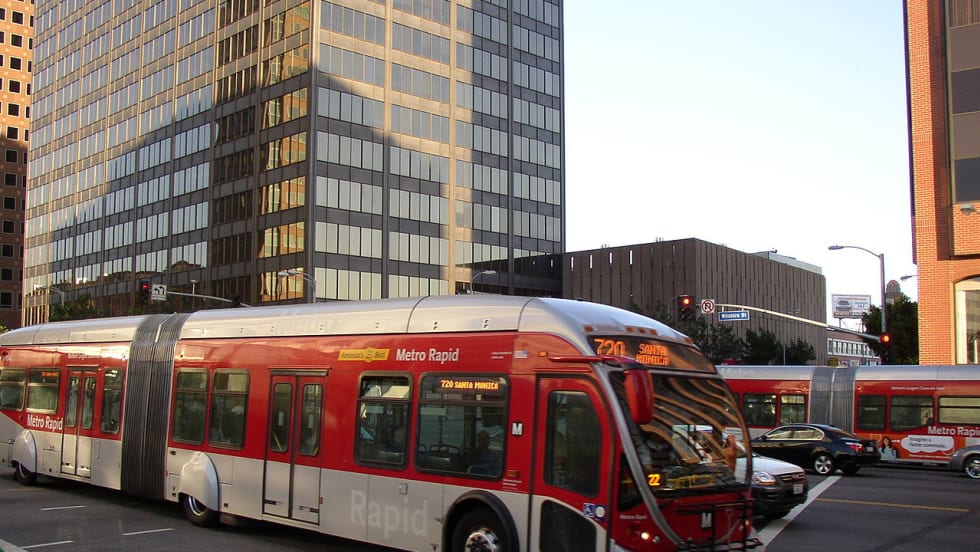
Covers the repair and maintenance of Metro’s rail fare collection equipment, TAP validators for regional bus operators, and the back office systems that process the TAP smart card data for Metro’s bus and rail system and 10 regional operators.
Read More →
The action will update CDTA’s fare collection system with functionality to accommodate contactless smart cards, mobile ticketing, new point of sale terminals, and mobile transaction processors for fixed-route and STAR customers.
Read More →
Now, customers can touch their Clipper cards to a contactless electronic reader at exit to pay their parking fees.
Read More →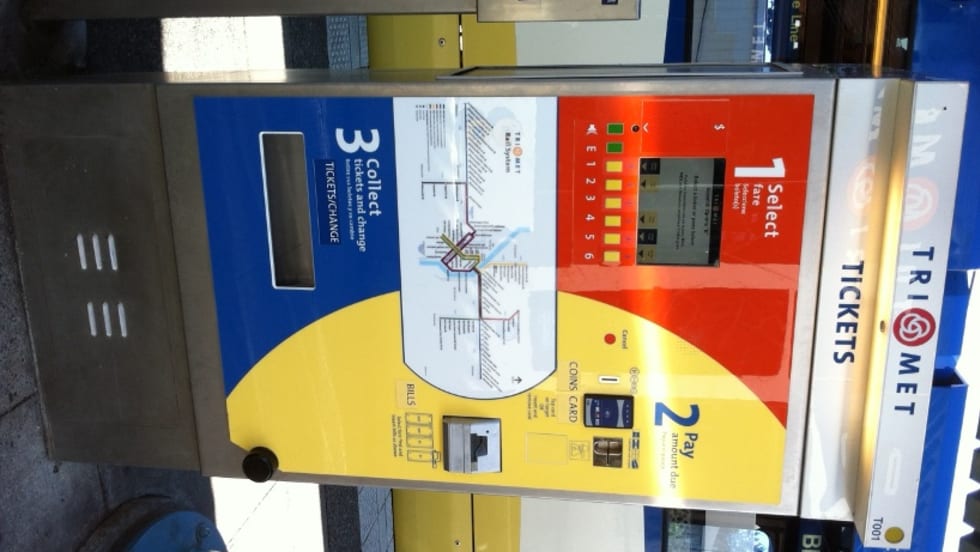
About one month ago the agency finished replacing its oldest ticket machines — referred to as type 3s — with new, type 6 machines. Now 117 – or more than 50% – of the 213 ticket machines along the MAX and WES systems are new.
Read More →
Drivers on three of the agency’s busiest bus routes enter information into a computer when a customer doesn’t pay the full fare to pinpoint when and where people are not paying.
Read More →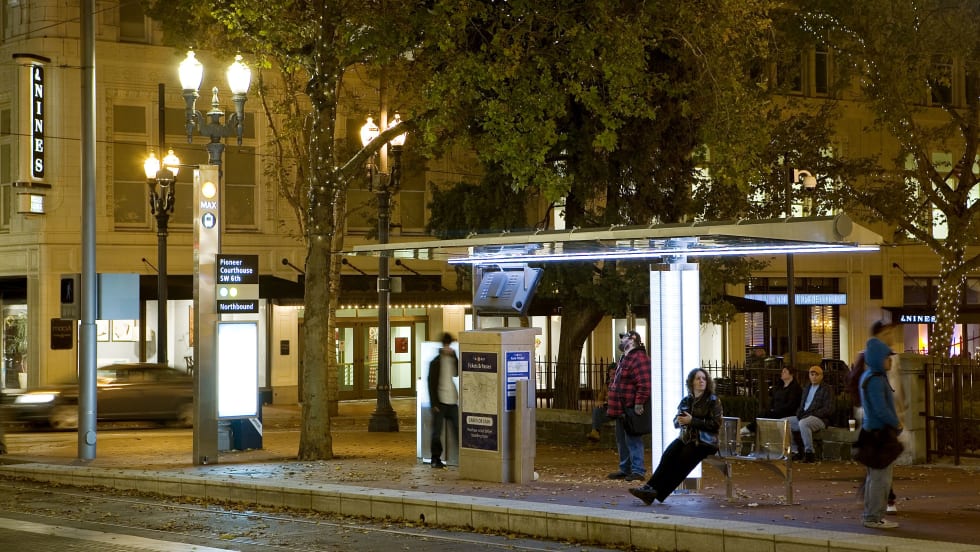
Would start the system on a limited basis and fully launch it in 2017. Expects employee testing to be underway by September 2015, when the Portland-Milwaukie Light Rail line opens.
Read More →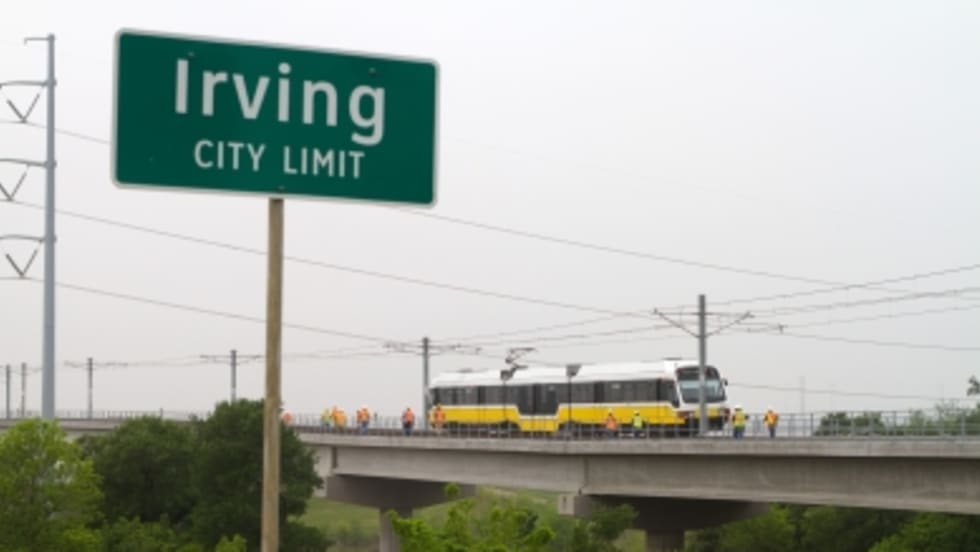
DART officials say it should be available in the app store and on Google Play by mid-September.
Read More →Passengers can use the app to purchase same-day tickets and tickets for future dates for its COASTER commuter rail service. The Android version will be available for download beginning July 15 with the iPhone release following soon after.
Read More →Protests in Brazil over fare hikes have sparked authors at The Economist and Slate magazine to put in their two cents on the future of fares. They contend that they are costly to collect and that transit systems may be more effective at cutting traffic congestion and improving service if they were fare-free. Could that ever happen in the U.S.?
Read More →The Ventra system will offer transit customers the convenience and flexibility of a modern fare payment system, including faster boarding, account management and value protection.
Read More →