



SEPTA may raise fares, simplify payment in FY14
Part of planned move to an open fare payment system would eliminated extra-fare zone charges on dozens of transit routes and there would be some consolidation of zones on regional rail.

As part of Southeastern Pennsylvania Transportation Authority's (SEPTA) proposed Fiscal Year 2014 operating budget, the agency plans to increase fares and simplify the payment process for customers in preparation for an upcoming move to a new, modernized fare system.
Under the proposal, SEPTA would increase fares effective at the start of Fiscal Year 2014 on July 1, 2013. SEPTA's last fare increase was in 2010.
In keeping with the recommendations of the Pennsylvania Transportation Funding and Reform Commission, SEPTA adopted a policy of fare increases every three years. The commission made these recommendations as part of a comprehensive review of transportation funding needs and revenue sources prior to enactment of Act 44, a state law passed in 2007 to create a dedicated source for transportation funding. SEPTA has followed these guidelines by enacting cost-of-living priced fare increases in July 2007 (Fiscal Year 2008) and in July 2010 (Fiscal Year 2011), and now proposes similar adjustments for the upcoming year.
The new plan includes the first increase to the base cash fare since 2001. As part of the effort to simplify fares and introduce an "open" fare payment and collection system under the New Payment Technology (NPT) program, extra-fare zone charges would be eliminated on dozens of transit routes, and there would be some consolidation of zones on Regional Rail. In addition, gender stickers would be eliminated on all passes for transit and Regional Rail as of July 1, 2013.
The current cash fare for a trip on SEPTA's buses, subways and trolleys would increase from $2 to $2.25 on July 1, and then to $2.50 when the switch to NPT is complete in 2014.
Public hearings will be held beginning next month in each of the five counties in which SEPTA operates to provide the agency with valuable feedback about the proposal before it is considered for a vote by the SEPTA board of directors.
Through the implementation of NPT, customers can continue to pay for trips using current methods. When NPT is implemented, smart media payment would be needed to access discounted fares, such as the $1.80 single-trip price and $1 transfers proposed for transit, one-way discounts on Regional Rail that will replace the current ten-trip reduced fare, and weekly and monthly passes.
Smart media payment methods will include a SEPTA-branded card that will be available for purchase at all transit stations, Center City Regional Rail hubs and other SEPTA sales locations. In addition, customers will be able to use their own devices — such as compliant credit and debit cards that offer contactless payment, near field communication-enabled smartphones and smart-chip equipped identification cards — as part of the open fare system. Discounted fare rates will be available by registering these devices with SEPTA. In addition, customers who wish to continue using cash under NPT will be able to purchase one-way rail fares and make transactions at the fareboxes on buses and trolleys.
In the coming months, SEPTA will announce details of a major outreach campaign designed to educate customers and the public about the new fare payment system. Details about the NPT project are available on a special section of the SEPTA Website.
A full breakdown of the proposed Fiscal Year 2014 fare increase is available online by clicking here.
More Bus

Finding the ‘Happy Medium’: Optimizing Maintenance Without Sacrificing Reliability
The key to maintenance optimization isn’t doing less work—it’s doing the right work at the right time on the right assets.
Read More →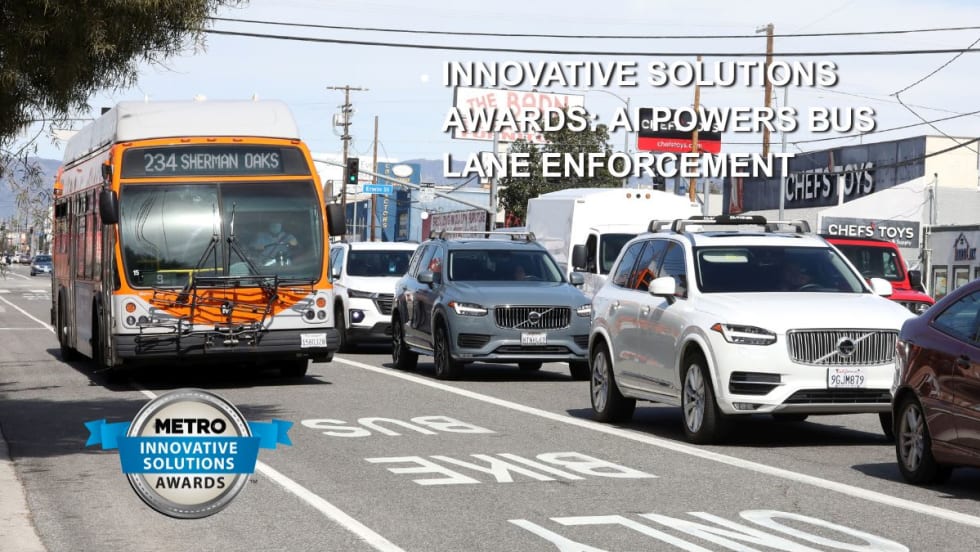
LA Metro, City of West Hollywood, and Partners Advance Smarter Bus Lane Enforcement
The award-winning partnership combines AI-powered detection with human oversight to improve bus reliability, accessibility, and enforcement efficiency.
Read More →
PSTA Modernizes Workforce Management with Digital Bidding System
The award-winning Workforce Transit Modernization project replaced paper bidding with a transparent digital platform, cutting administrative effort while improving access for operators.
Read More →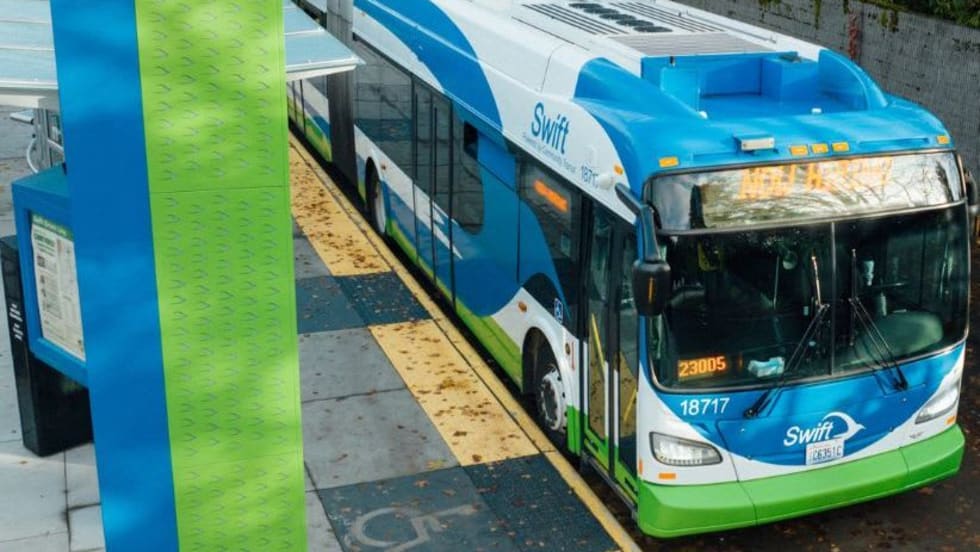
Washington's Community Transit Sets Six-Year Roadmap for Growth, Expansion
Approved TDP targets more bus service, new mobility options, Swift BRT expansion, and a potential Everett Transit annexation.
Read More →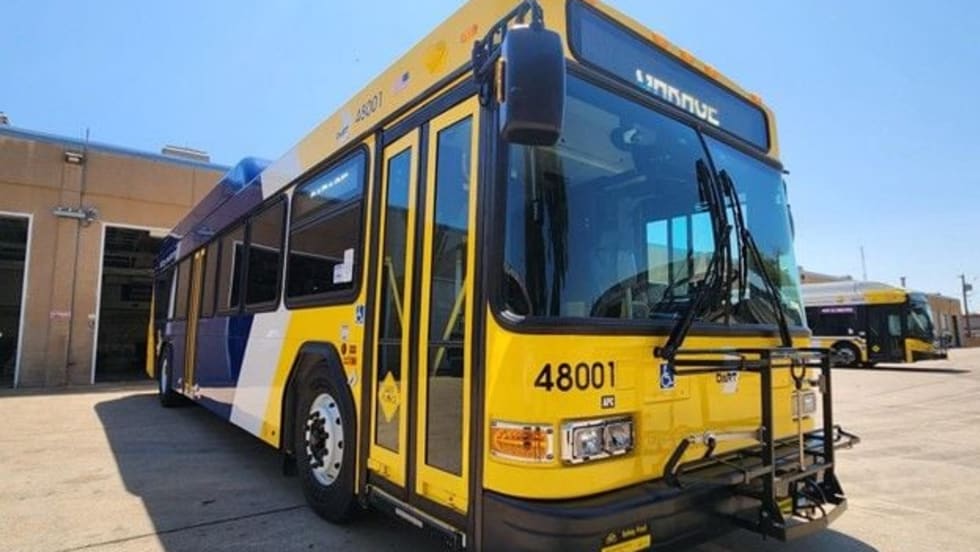
DART Customer Satisfaction Reaches Six-Year High
Overall satisfaction rose to 74.9%, while the agency’s Net Promoter Score reached a record 33.7.
Read More →
How DART's GoPass Is Redefining Regional Mobility
Serving 14 transit agencies, GoPass simplifies multimodal travel by allowing riders to plan, pay for, and manage an entire trip through one app.
Read More →
Biz Briefs: OCTA Taps Clean Energy for Hydrogen Station, Stadler to Supply Via Rail Vehicles, and More
From manufacturers and suppliers to transit agencies and motorcoach operators, these updates offer a snapshot of the projects, partnerships and business moves driving the industry forward.
Read More →
METRO Magazine Announces 2026 Innovative Solutions Awards Winners
Projects Recognized for Advancing Mobility Through Technology, Accessibility, Workforce Innovation, and Operational Excellence
Read More →
Biz Briefs: STV teams with Amtrak, Motorcoach Operators Boost Fleet and Land Contracts, and More
From manufacturers and suppliers to transit agencies and motorcoach operators, these updates offer a snapshot of the projects, partnerships and business moves driving the industry forward.
Read More →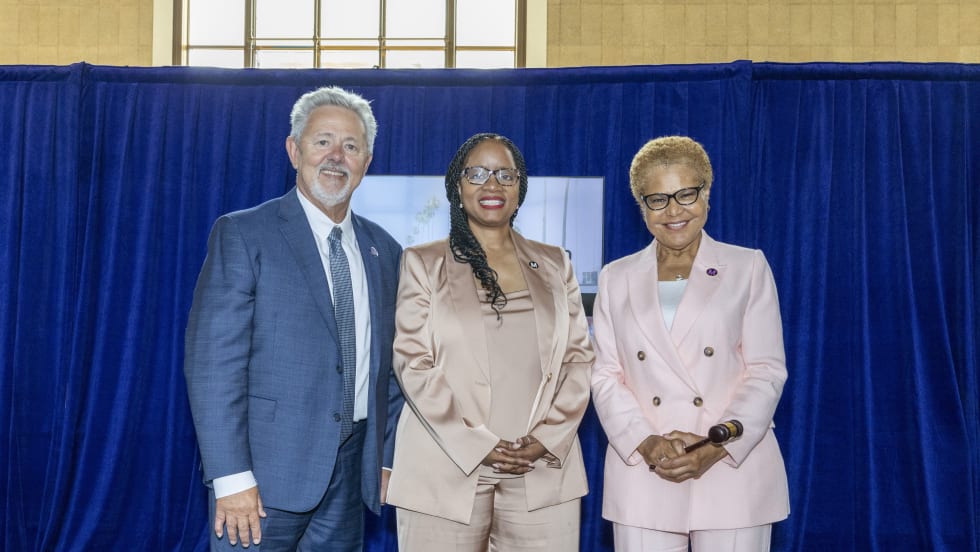
LA Metro Marks Banner Year, Sets Ambitious Goals for New Fiscal Year
Incoming LA Metro Board Chair and Los Angeles Mayor Karen Bass joined outgoing Board Chair Fernando Dutra and LA Metro CEO Stephanie Wiggins to review accomplishments from fiscal year 2026, which included the opening of new rail extensions, advancement of major transit projects, expanded safety programs, and new rider amenities.
Read More →