
Metro Magazine

 MENU
 SEARCHMENUSEARCH
Loading data...

The CTA will test the eight displays installed at the station for durability, placement and customer feedback over the next 30 days before moving forward with its gradual installation at the remaining 143 rail stations.
Read More →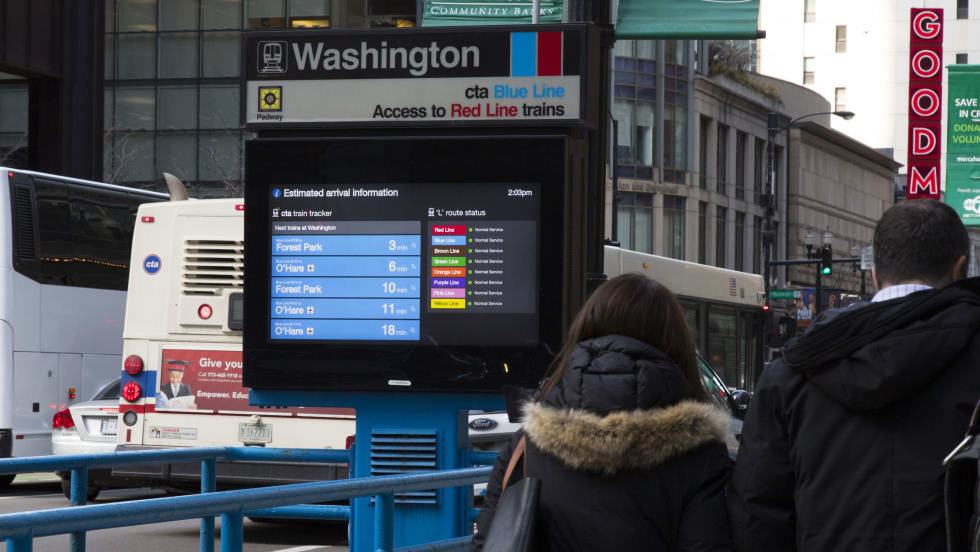

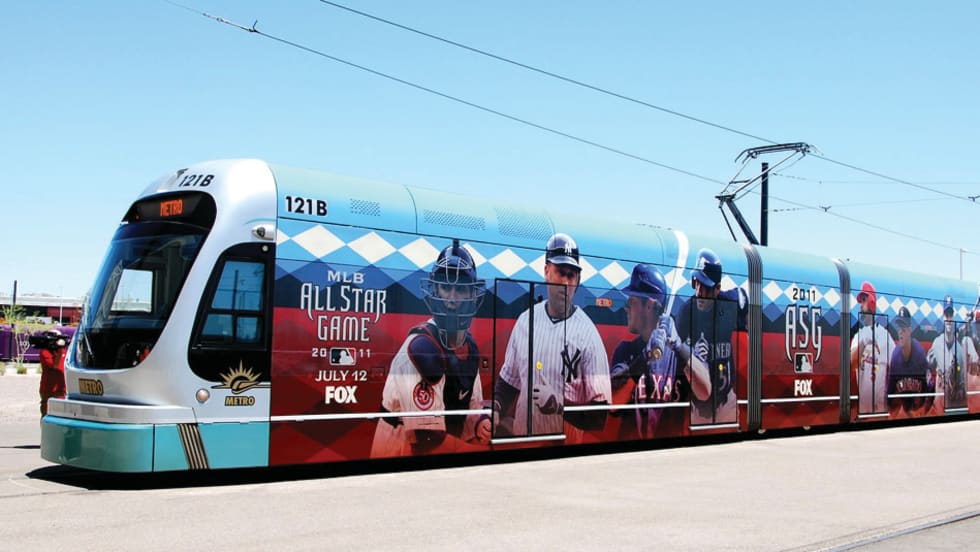
New contract will generate up to $247.5M in revenues for agency over next five years.
Read More →While the CTA will allow the advertisement of alcoholic beverages, the ordinance restricts the ads to specific areas and sets additional conditions.
Read More →The service allows brands to place advertisements within a transit agency’s mobile traveler app and/or physical assets such as gates and ticket vending machines.
Read More →The ad appearing on the cards was purchased by The Gap, the iconic clothing retailer.
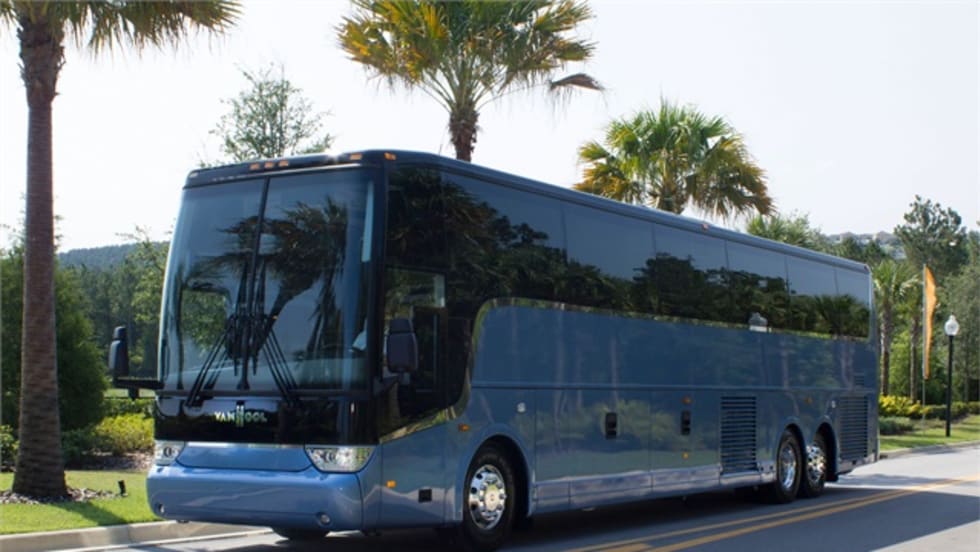
Read More →While finding drivers and maintenance personnel is still a real issue for operators, many have not only used the web to revamp their approach to recruit drivers, but also market their operations to increase utilization rates. New for 2018, this year’s list is ranked by most motorcoaches, rather than most vehicles as it has in the past.
Read More →To make the program more attractive, the MTA is opening up space on the fronts of the iconic cards for the first time, and is reducing advertising rates.
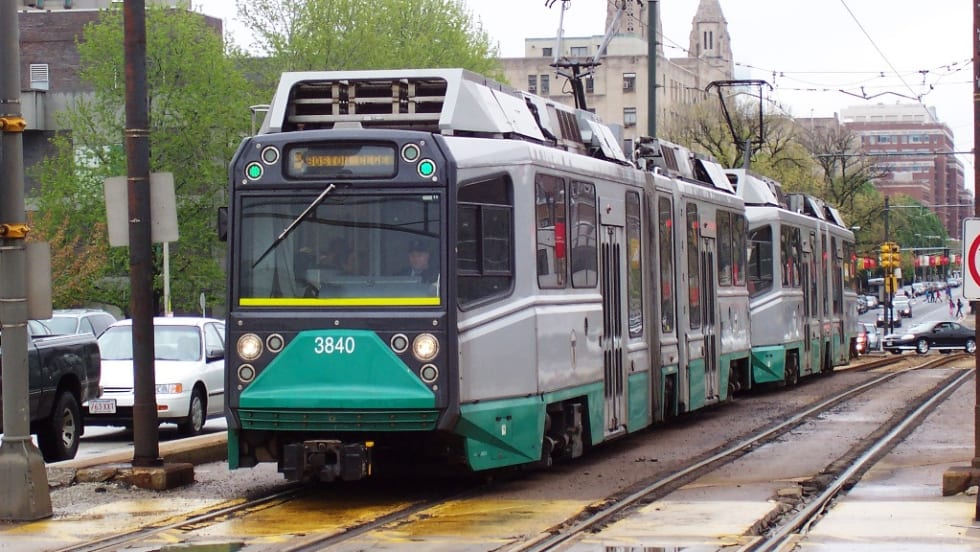
Read More →Less than a year after the system’s debut, talks of an ad policy emerged after vendors showed interest in displaying full wrap or panel advertisements on the new light rail vehicles.
Read More →Its current advertising guidelines ban political campaign ads, which pertain to specific candidates, parties and ballot questions. The agency also does not allow ads that are considered “demeaning or disparaging” to an individual or a group.
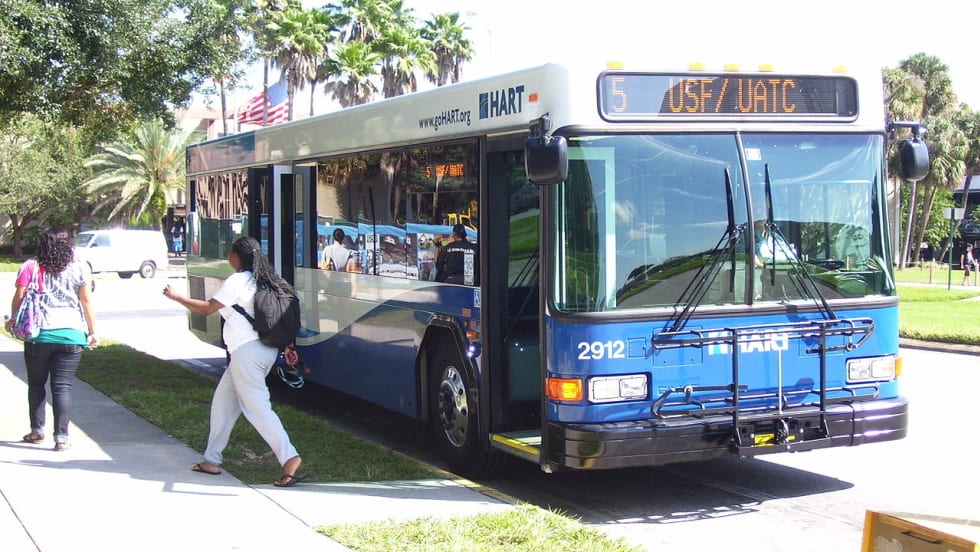
Read More →Program allows local businesses to go online, view a map of HART, add one or multiple stops to a shopping cart and check out, and then, Commuter Advertising will upload their media to play onboard HART buses at the purchased stop(s).
Read More →