
Metro Magazine

 MENU
MENU SEARCHMENUSEARCH
Loading data...

At the present time, human service organizations, along with King County Metro, are considering how best to get information in the hands of those who may be later impacted.
Read More →
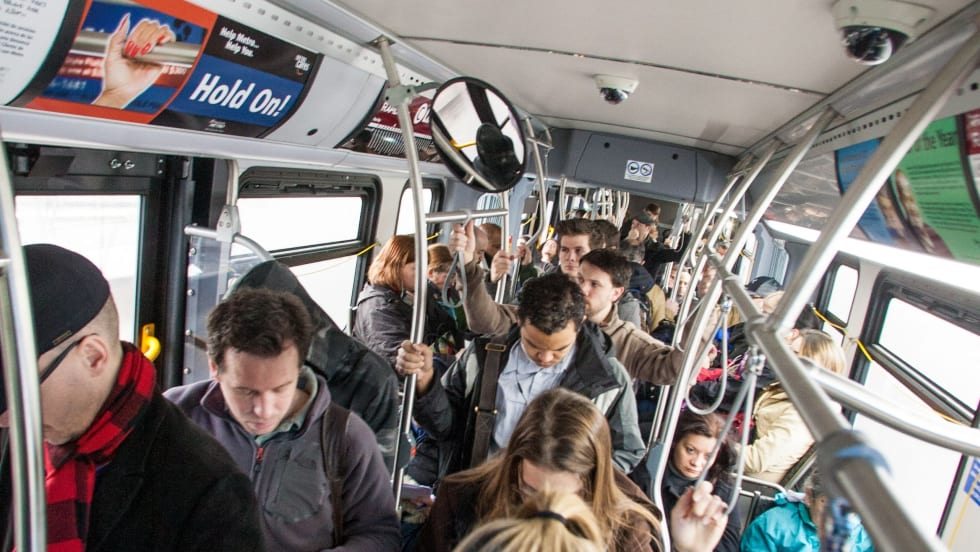
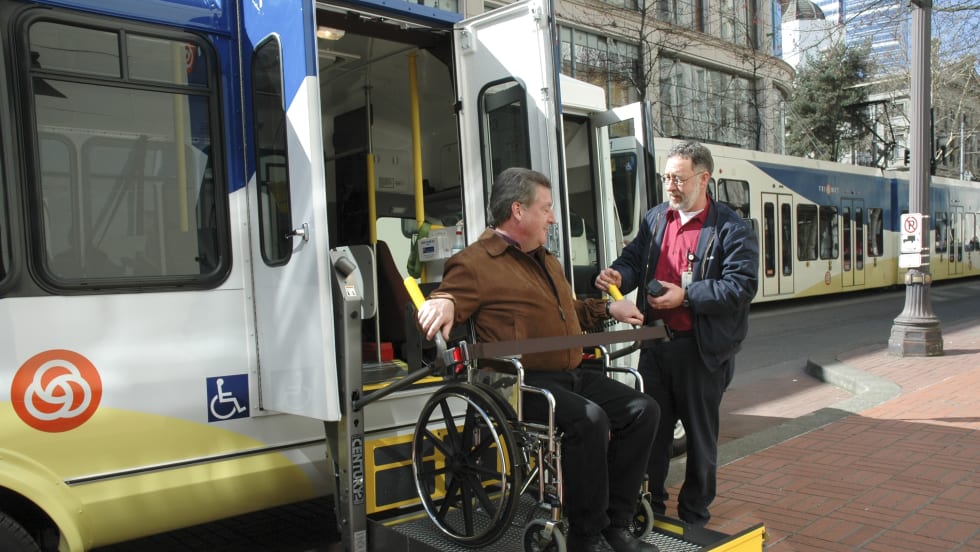
72 King County Metro bus routes are on the verge of elimination, while 84 other routes are expected to have their services reduced.
Read More →Plans to reduce about 16% of service as of September. Funding from a temporary Congestion Reduction Charge expired and voters rejected a county proposition that would have sustained the service and increased funding for roads and bridges.
Read More →Proposition 1 would add one-tenth of a cent to the sales tax and set an annual car-tab fee of $60 to maintain King County Metro’s service at current levels. Students who commute to University of Washington and other area schools will be particularly hard-hit if the measure is rejected.
Read More →Will equip 120 New Flyer Xcelsior buses with its HybriDrive Series-E electric drive system. The first delivery is scheduled for 2014.
Read More →Federal and Metro capital funds will be used to purchase the buses, with the first prototype expected to arrive in 2014. Riders can expect to see new coaches hit the streets in 2015.
Read More →Could be forced to eliminate 65 bus routes and reduce service on 86 others if the state Legislature fails to approve new revenue sources this session. Authorization for a temporary two-year Congestion Reduction Charge that would fully fund the transit agency will soon expire.
Read More →While saving money is the primary driver, agency efforts are resulting in providing communities with better, more customer-focused services.
Read More →New York’s Rochester-Genesee Regional Transportation Authority exercised options under an existing contract for 20 60-foot heavy-duty Xcelsior articulated clean diesel buses. Meanwhile, Daimler Buses North America assigned to New Flyer its contract with Seattle’s King County Metro Transit to build up to 381 Xcelsior heavy-duty 35- and 40-foot diesel-electric hybrid buses.
Read More →Trying to keep the city of Kirkland from taking out a five-mile section of rail line to install a recreational trail. City officials told the paper that they plan to eventually rebuild the tracks, but rail advocates are skeptical and say the possibilities should be studied first.
Read More →