



King County Metro purchase all-electric New Flyers
Federal and Metro capital funds will be used to purchase the buses, with the first prototype expected to arrive in 2014. Riders can expect to see new coaches hit the streets in 2015.

Seattle’s King County Metro Transit (Metro) will replace its aging trolley fleet with new all-electric New Flyer coaches that will take about one-third less energy to power. Metro is second only to San Francisco in having the largest electric trolley fleet in the nation.
Metro plans to initially purchase up to 141 trolley buses — about 10% of its entire fleet — under a contract with New Flyer totaling up to $164 million. Future bus purchases will be dependent on fleet needs and whether Metro is able to avoid service reductions in the coming years.
“Electric trolleys have a lot of fans, and I’m one of them,” said King County Executive Dow Constantine. “They’re quiet, they run clean, they’re part of our transit heritage, and studies confirm they’re the best for moving riders in our very hilly and dense urban environment.”
Federal and Metro capital funds will be used to purchase the buses, with the first prototype expected to arrive in 2014. Riders can expect to see new coaches hit the streets in 2015.
The contract will also be a cost-saver for the county. Metro has teamed up with the San Francisco Municipal Transportation Authority (SFMTA) to purchase replacement coaches from the same contract — a move that ensures both Metro and SFMTA get the most competitive pricing.
In recent years, Metro has refurbished older buses in order to extend their service life. But the electrical systems and motors on these aging coaches have become outdated and unreliable.
A 2009 county performance audit confirmed that, compared to their diesel-hybrid counterparts, electric trolley buses are quieter, use less energy, are better on hills and are more cost effective to operate.
The trolley buses being replaced include 60-foot Breda buses originally purchased in 1990 to operate as diesel-electric and later converted to electric-only buses. Metro also is replacing its 40-foot Gillig buses that have antiquated 1979 propulsion systems. Based on age and operating costs per mile, they are less reliable and more expensive buses to maintain.
More Bus

From Surviving to Thriving: Building Stronger Transportation Organizations
Bus Business Consultants founder Brian Dickson shares lessons on leadership, organizational health, and creating options for long-term success in a changing transportation industry.
Read More →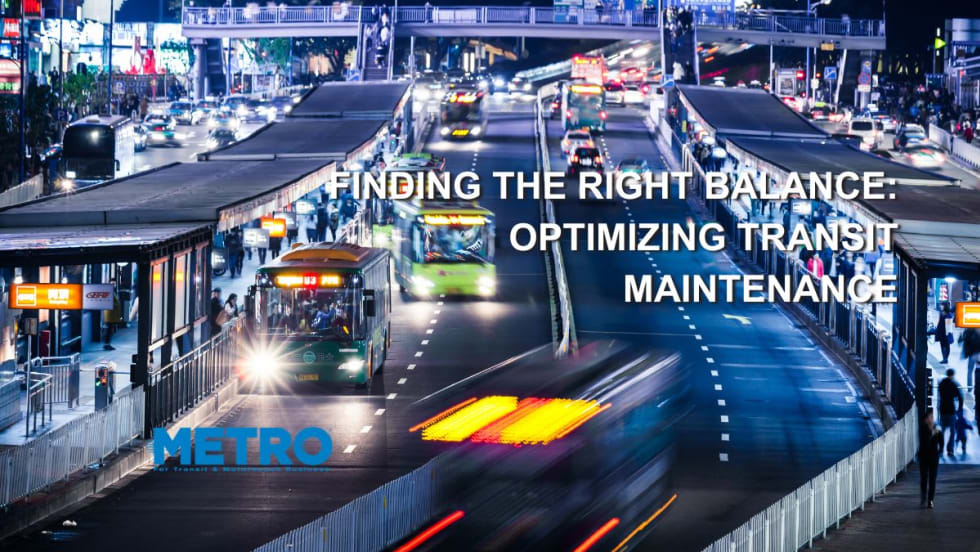
Finding the ‘Happy Medium’: Optimizing Maintenance Without Sacrificing Reliability
The key to maintenance optimization isn’t doing less work—it’s doing the right work at the right time on the right assets.
Read More →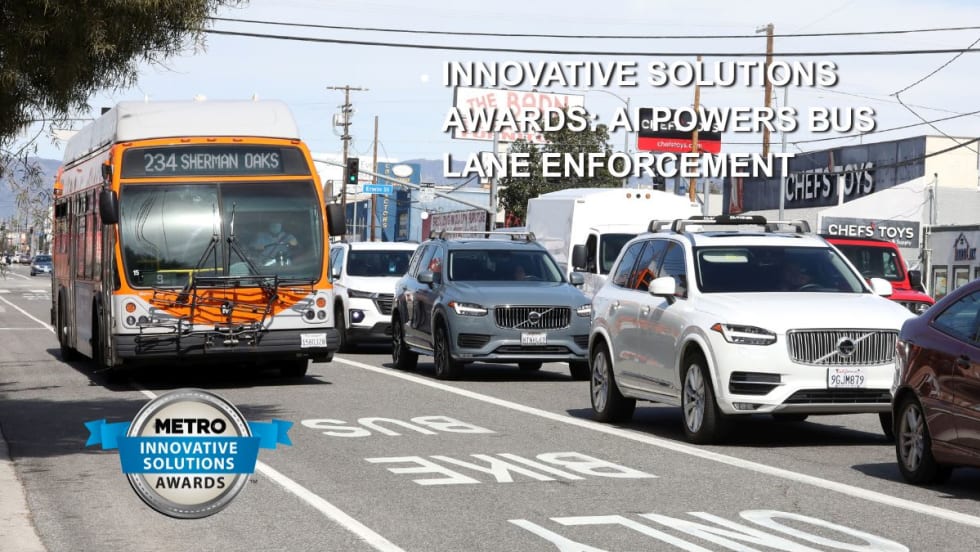
LA Metro, City of West Hollywood, and Partners Advance Smarter Bus Lane Enforcement
The award-winning partnership combines AI-powered detection with human oversight to improve bus reliability, accessibility, and enforcement efficiency.
Read More →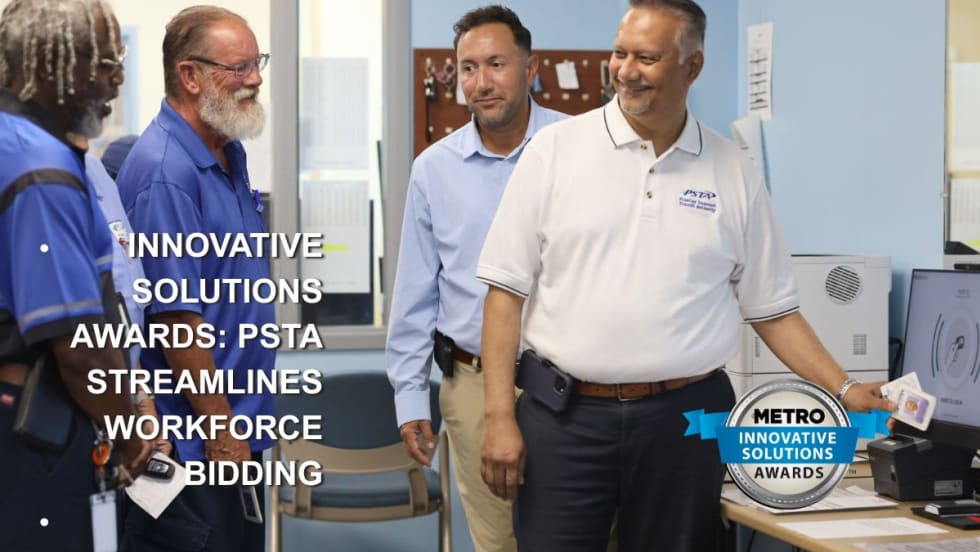
PSTA Modernizes Workforce Management with Digital Bidding System
The award-winning Workforce Transit Modernization project replaced paper bidding with a transparent digital platform, cutting administrative effort while improving access for operators.
Read More →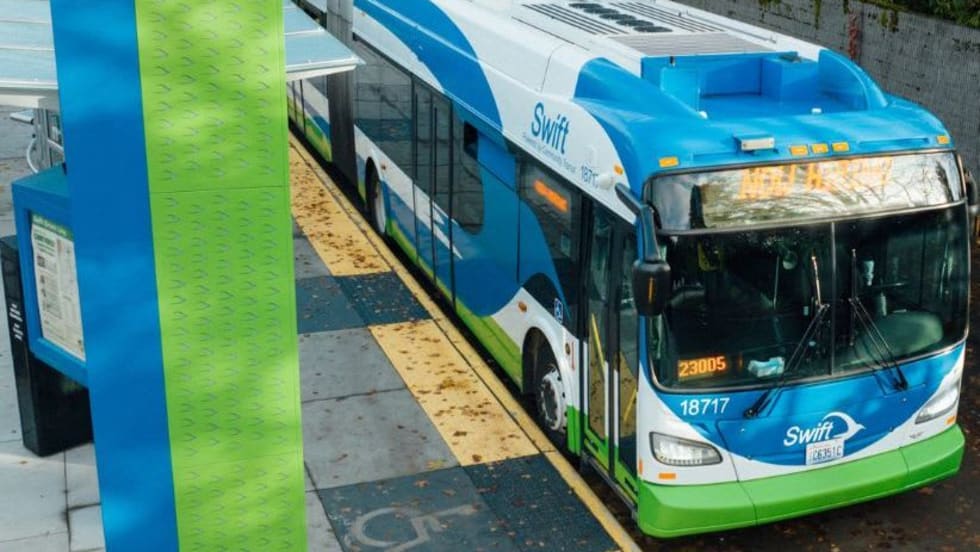
Washington's Community Transit Sets Six-Year Roadmap for Growth, Expansion
Approved TDP targets more bus service, new mobility options, Swift BRT expansion, and a potential Everett Transit annexation.
Read More →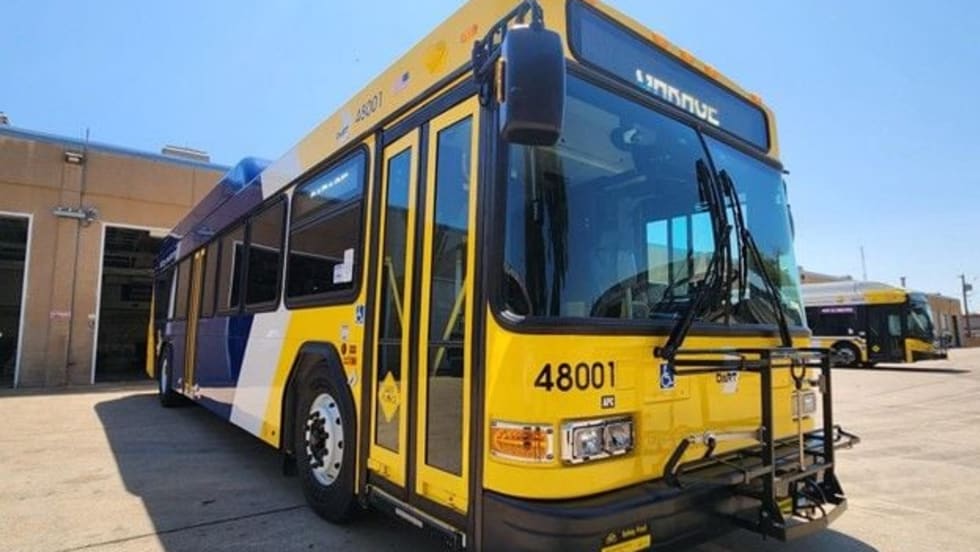
DART Customer Satisfaction Reaches Six-Year High
Overall satisfaction rose to 74.9%, while the agency’s Net Promoter Score reached a record 33.7.
Read More →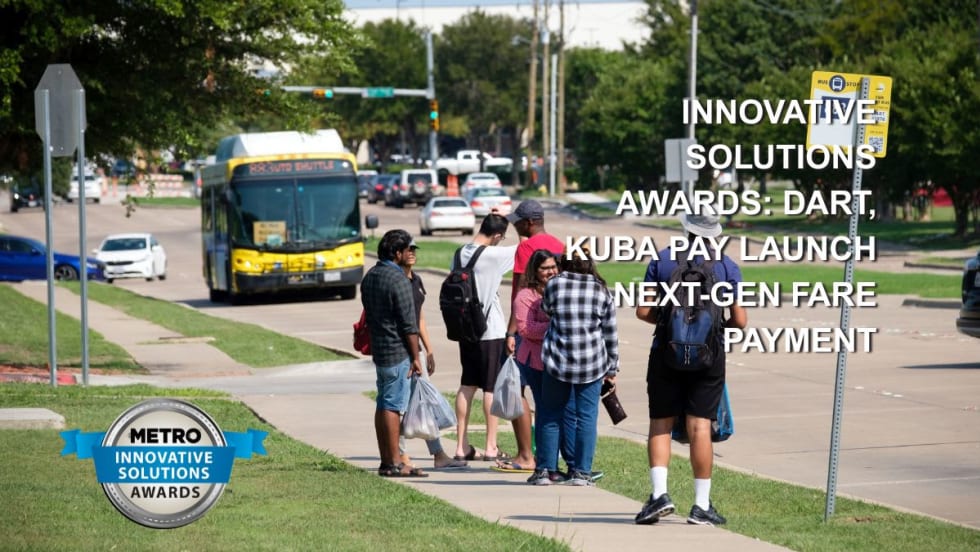
How DART's GoPass Is Redefining Regional Mobility
Serving 14 transit agencies, GoPass simplifies multimodal travel by allowing riders to plan, pay for, and manage an entire trip through one app.
Read More →
Biz Briefs: OCTA Taps Clean Energy for Hydrogen Station, Stadler to Supply Via Rail Vehicles, and More
From manufacturers and suppliers to transit agencies and motorcoach operators, these updates offer a snapshot of the projects, partnerships and business moves driving the industry forward.
Read More →
METRO Magazine Announces 2026 Innovative Solutions Awards Winners
Projects Recognized for Advancing Mobility Through Technology, Accessibility, Workforce Innovation, and Operational Excellence
Read More →
Biz Briefs: STV teams with Amtrak, Motorcoach Operators Boost Fleet and Land Contracts, and More
From manufacturers and suppliers to transit agencies and motorcoach operators, these updates offer a snapshot of the projects, partnerships and business moves driving the industry forward.
Read More →