
Metro Magazine

 MENU
MENU SEARCHMENUSEARCH
Loading data...

The new TAP tickets, which are embedded with a “smart chip” and antenna, allow Metrolink passengers to easily access Metro gates with a quick tap of their ticket at all turnstiles.
Read More →

Chief Financial Officer resigned over an internal report that claimed accounting irregularities and poor management and record-keeping. Agency does not have enough cash reserves to meet its current obligations, according to the report.
Read More →The "Positive Train Control: Is it on Track?" forum will be held in the NTSB Conference Center in Washington, D.C., and is free and open to the public. A detailed agenda and a list of speakers are forthcoming.
Read More →Received APTA's Outstanding Public Transportation System Award for an agency with four million or fewer passenger trips annually.
Read More →Michael P. DePallo currently serves as Director and GM for the Port Authority Trans Hudson Corporation, a heavy rail subsidiary of the Port Authority of New York and New Jersey that transports over 250,000 passenger trips a day between Manhattan and neighboring New Jersey.
Read More →Will house 10 different transportation modes when it opens, including Metrolink, Amtrak, OCTA bus service, taxi, bicycle, international buses and tour and charter buses.
Read More →Many survivors of the crash say that the $200 million settlement, the maximum allowed under a U.S. law that caps damages in train crashes, is too little to cover their injuries.
Read More →Unveiled its $200-million crash prevention project for an NTSB official. The agency plans to install PTC on its commuter rail network by December 2013, two years ahead of a federal requirement for nationwide deployment.
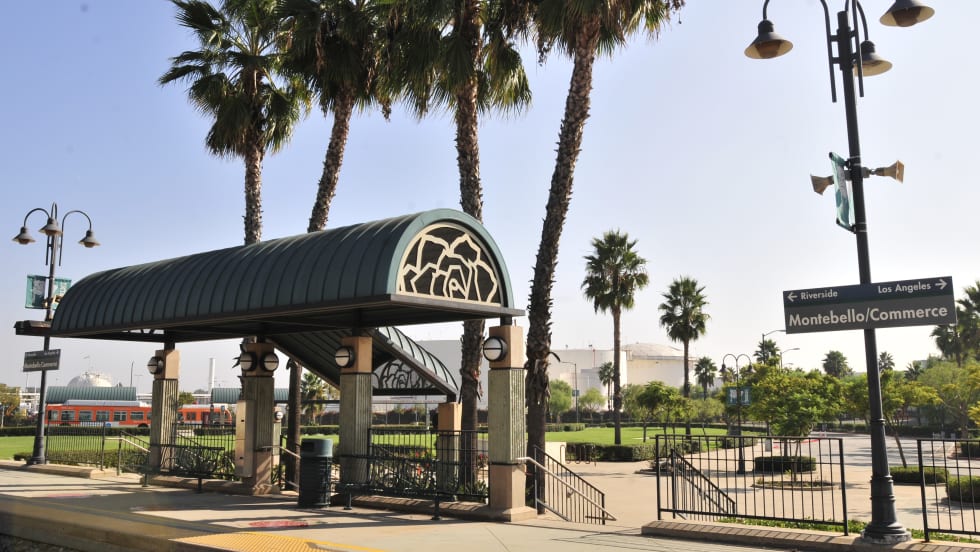
Read More →The Montebello/Commerce station is the 5th of six stops on Metrolink’s Riverside service, which originates in Downtown Riverside and terminates in Downtown Los Angeles’ Union Station.
Read More →John Fenton stepped in after the 2008 Chatsworth crash that killed 25 people and he pushed forward a $200 million project to prevent collisions through positive train control technology.
Read More →