



L.A. Metro, Metrolink launch 'smart' fare tickets
The new TAP tickets, which are embedded with a “smart chip” and antenna, allow Metrolink passengers to easily access Metro gates with a quick tap of their ticket at all turnstiles.

The Los Angeles County Metropolitan Transportation Authority (Metro) and Metrolink teamed up with Xerox and Cubic Transportation Systems to develop TAP-enabled Metrolink tickets that are compatible with the Metro TAP smart fare payment system.
The new TAP tickets, which are embedded with a “smart chip” and antenna, allow Metrolink passengers to easily access Metro gates with a quick tap of their ticket at all turnstiles. Once tapped, the chip relays a signal to unlatch the turnstile gates so riders can move between transit systems, eliminating the need for gate agents to view riders’ tickets. Under the old system, agents had to quickly scan tickets by eye to ensure they contained a unique transfer symbol.
Cubic designed, built, installed and integrated the Universal Fare system for Metro, which consists of new rail ticket vending machines and validators, fareboxes, a central data collection system, and related technology to record and process rides, store value, debit credit cards, accept cash and provide other "smart" services to the customer, which could include the ability to download prepaid transit benefits offered by participating employers.
Passengers can buy TAP tickets from any of the 118 Xerox-managed ticket vending machines found throughout Southern California.
Cubic brought on 10 transit carriers who are integrated in the TAP program. Within a year, there will be 25.
RELATED: "Passengers Seek More Ways to Pay Fares."
More Management

COTA Launches First Customer Experience Action Plan to Improve Transit Service
The new plan outlines improvements to service reliability, accessibility, communication, and the overall rider experience across Central Ohio's transit system.
Read More →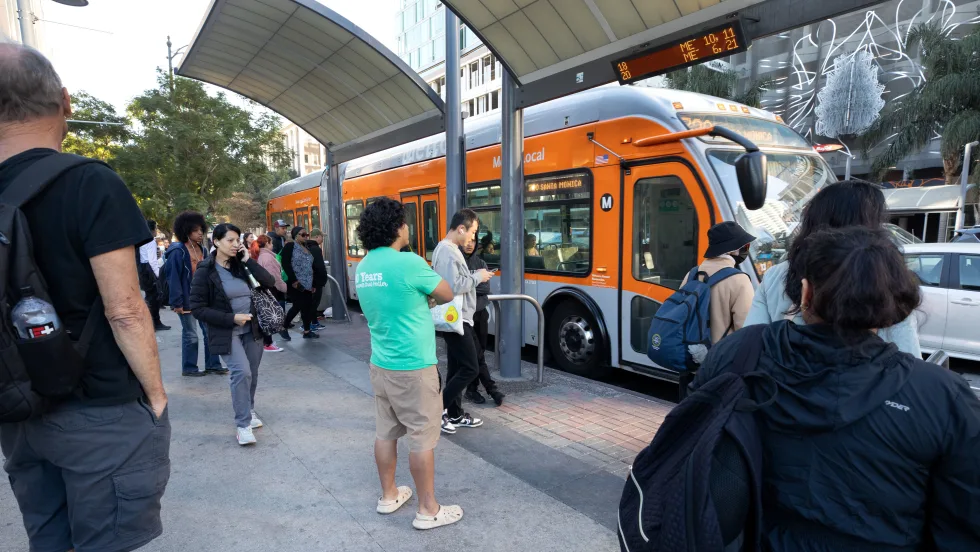
LA Metro September Ridership Climbs 3.9%, Led by Rail Growth
The agency recorded more than 27.2 million boardings, with rail ridership increasing 12.4% year over year and the D Line posting the largest gains.
Read More →
Utilimarc Launches SmartReplace to Optimize Fleet Replacement Decisions
AI-powered SmartReplace helps fleets prioritize vehicle replacements, model budget scenarios, and build more defensible long-term strategies.
Read More →
APTA Honors 2026 Award Winners, Hall of Fame Inductees at TRANSform & EXPO
Innovations in autonomous and zero-emission transportation, standout transit systems, and industry leadership took center stage among this year's honorees.
Read More →
7 Ways to Build a Better Transit Internship Program
Lessons from DRPA/PATCO’s approach to creating a meaningful internship experience—and developing the next generation of transportation professionals.
Read More →
Scenes from APTA TRANSform & EXPO 2026
Transit leaders, manufacturers, and industry professionals gathered in Chicago to explore new technologies, share ideas, and discuss the future of public transportation.
Read More →
Building Stronger Leaders, More Resilient Transit Teams
Dr. Carol Parker Walsh discusses leadership development, employee retention, workplace culture, and preparing transit’s workforce for AI and automation.
Read More →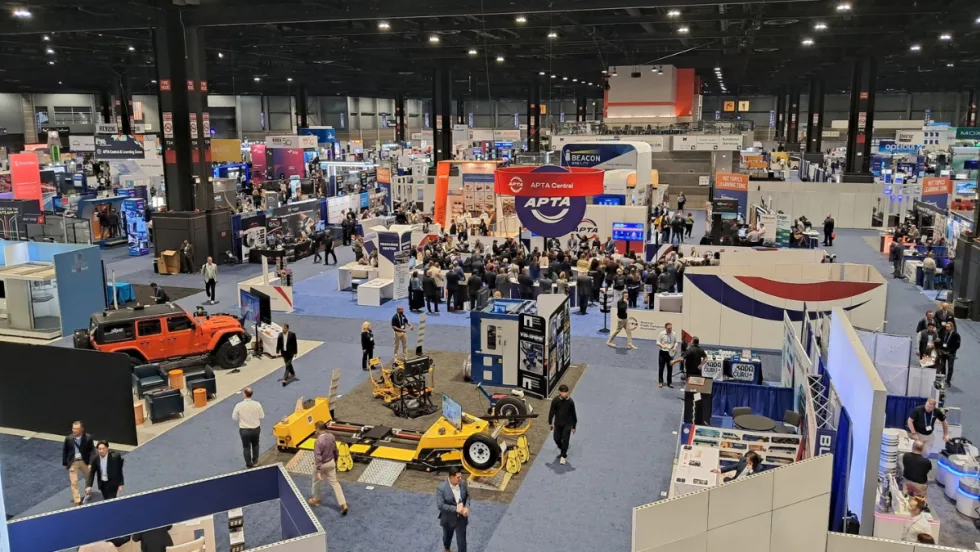
APTA 2026 TRANSform & EXPO Kicks Off in Chicago
After 45 years, APTA returns to Chicago with a focus on next-generation fleets, AI, connected transit networks, and the funding strategies shaping public transportation’s future.
Read More →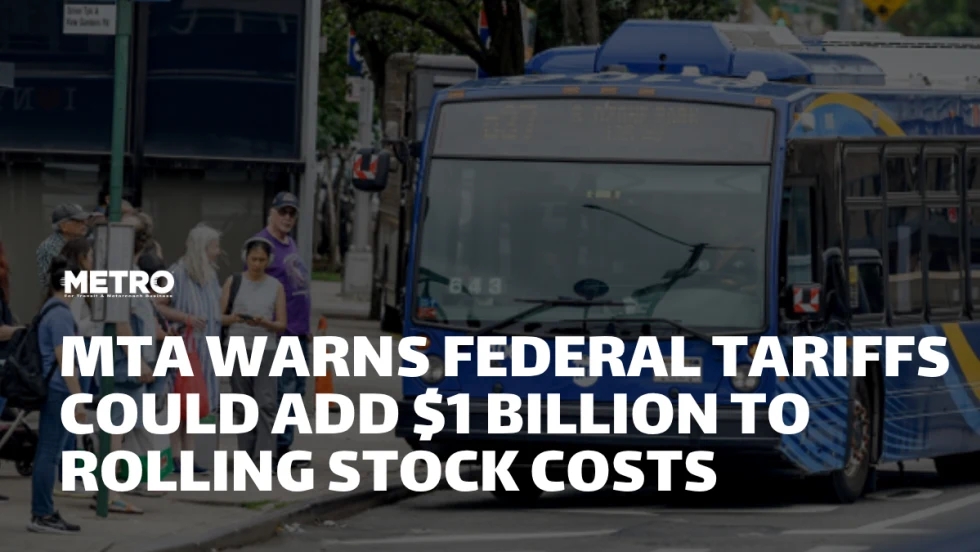
New York MTA Warns Federal Tariffs Could Add $1 Billion to Rolling Stock Costs
The agency said tariffs on specialized imported components could reduce the purchasing power of its $23 billion investment in new subway cars, railcars, and buses.
Read More →
From the Show Floor: What Happened at APTA TRANSform & EXPO 2026
See the latest product launches, partnerships, technology updates, and transit industry announcements from APTA TRANSform & EXPO in Chicago.
Read More →