
Metro Magazine

 MENU
MENU SEARCHMENUSEARCH
Loading data...

Customers on various routes may now experience a quieter and greener ride, powered by hydrogen, not diesel. This vehicle began carrying customers in January 2013.
Read More →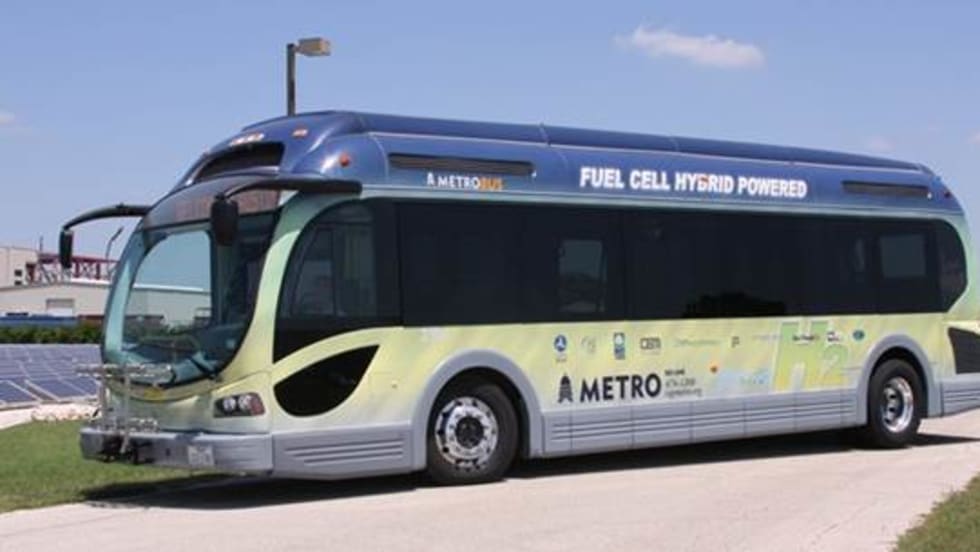
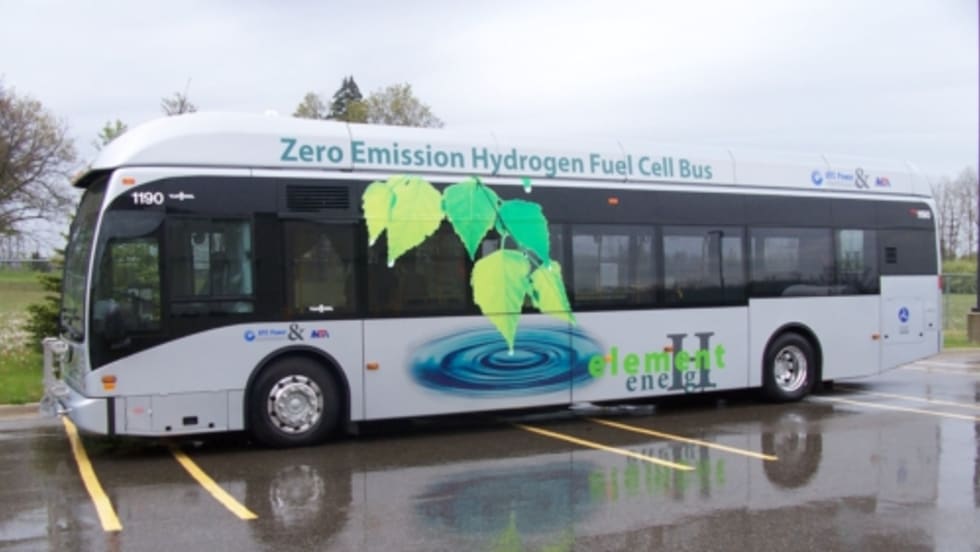
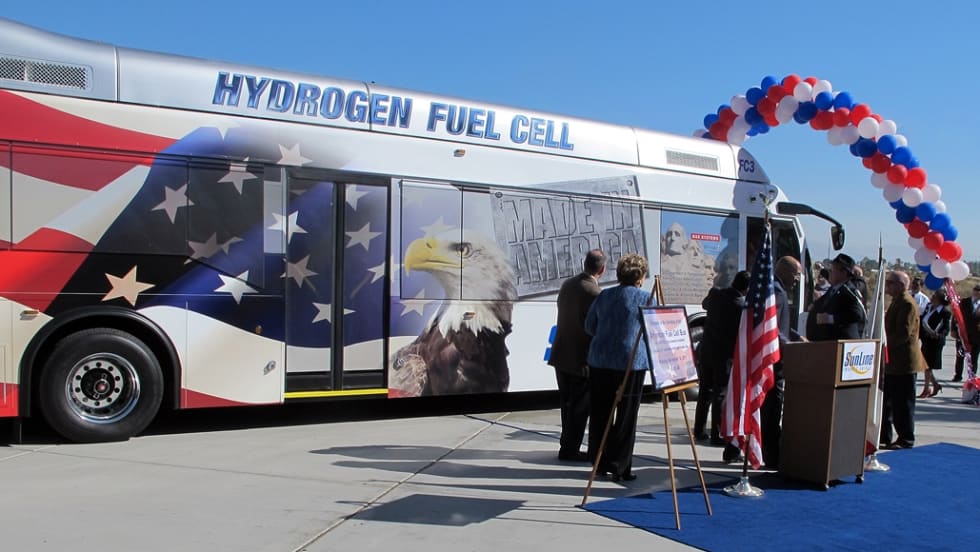
The 12-month status report includes data collected from 18 fuel-cell electric buses at three transit agencies; Alameda-Contra Costa Transit District, Connecticut Transit and SunLine Transit Agency.
Read More →The 40-foot bus has a capacity of 57 passengers and will be in service between six and eight hours daily on various RTA routes. The bus operates with nearly twice the fuel-efficiency as diesel-fueled bus, and is much quieter.
Read More →The bus will be fueled daily at a state-of-the-art hydrogen fueling station, the first of its kind in Texas. The facility allows for the on site generation, compression, storage and dispensing of hydrogen.
Read More →MTA's new fuel cell bus is hybrid-electric, zero emission and powered by a 120 kW UTC Power PureMotion fuel cell system.
Read More →In preparation for placing the bus on the road, a team comprised of MTA employees and Kettering University professor, Dr. Mohamed El-Sayed, have familiarized themselves with bus operator training, preventive maintenance, storage, installation of bus related software and monthly reporting requirements.
Read More →Newest on-site energy station, which was engineered by Linde North America, Jacobs and EPC and built by W.L. Butler Construction, demonstrates the use of “renewable” hydrogen — hydrogen produced using Proton OnSite’s solar-powered electrolyzer.
Read More →Will provide 400 kilowatts of power to the agency’s 330,000-square-foot headquarters facility. Thermal energy from the fuel cell will be used to preheat two boilers that support the building's primary heating system.
Read More →Under this new award, Ballard will supply FCvelocityTM-HD6 power modules for ElDorado fuel-cell hybrid buses featuring a series hybrid-electric drive from lead integrator BAE Systems. These buses are expected to be operational in 2013.
Read More →Sunline Transit Agency’s new zero-emission American Fuel Cell Bus is FTA has invested more than $75 million in the project through the National Fuel Cell Bus Program.
Read More →