



CT Transit purchases fuel-cell system
Will provide 400 kilowatts of power to the agency’s 330,000-square-foot headquarters facility. Thermal energy from the fuel cell will be used to preheat two boilers that support the building's primary heating system.

CT Transit, which currently operates five buses powered by UTC Power transportation fuel cells, purchased a PureCell stationary fuel-cell system from the supplier for its headquarters in Hartford, Conn.
The fuel-cell will provide 400 kilowatts of clean, reliable power to the 330,000-square-foot facility. Thermal energy from the fuel-cell will be used to preheat two boilers that support the building's primary heating system.
"We are excited to add this cutting-edge fuel cell technology to provide onsite, local power generation in an extremely environmentally positive way,” CT Transit GM David Lee said. “This will reduce our utility costs and improve the reliability of our electrical service."
By generating power onsite with a fuel-cell, CT Transit will prevent the release of more than 827 metric tons of carbon dioxide annually — the equivalent of planting more than 191 acres of trees. The reduction in nitrogen oxide emissions compared to a conventional power plant are equal to the environmental benefit of removing more than 102 cars from the road. In addition to the reduction in greenhouse gas emissions, the PureCell system will enable CT TRANSIT to save nearly 3.6 million gallons of water annually.
This project is supported by a grant from the Transit Investments for Greenhouse Gas and Energy Reduction Program (TIGGER). The program is run by the Federal Transit Administration. TIGGER is a part of the American Recovery and Reinvestment Act of 2009.
UTC Power's stationary fuel cell, the PureCell system, is a combined heat and power system that represents a game-changing technology.
Compared to typical central generation and other fuel cell offerings, the PureCell system offers customers lower energy costs, reduced emissions, an industry-leading 90 percent system efficiency, 10-year cell stack durability and 20-year product life.
More Bus

More Than a Summer Job: Building the Next Generation of Transit Talent
The Delaware River Port Authority and PATCO have transformed their internship program into a hands-on professional development experience that introduces students to the breadth of transportation careers — and creates a pipeline for future employees.
Read More →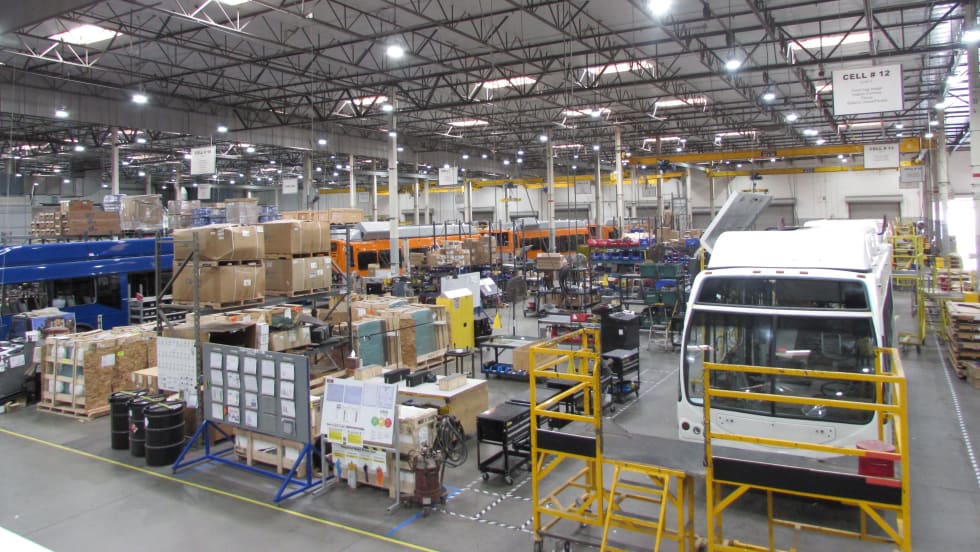
LA Metro Board Awards 220 Battery-Electric Bus Contract to ENC
The contract, which is the largest base award of battery-electric buses by a U.S. transit agency, will be built in Southern California, sustaining good jobs as LA prepares to welcome the world in 2028
Read More →
Public Transit Conference Returning to GFX in 2027, Call for Papers Now Open
The Call for Papers is now open, allowing transit agency professionals and industry experts to help shape the PTC educational program by submitting session ideas for consideration.
Read More →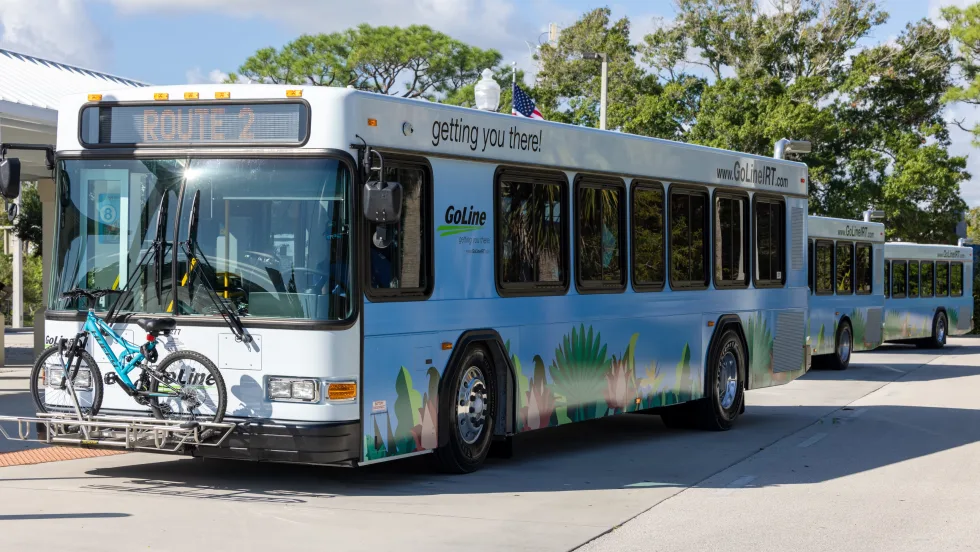
Indian River Transit’s Community-Focused Approach Earns National Recognition
Named APTA’s 2026 Outstanding Public Transportation System in its size category, Florida’s Indian River County transit system continues to grow ridership through fare-free service and a focus on evolving community needs.
Read More →
ENC Lands MATA Contract and More in Biz Briefs
In this edition of Biz Briefs, we spotlight the latest developments shaping the future of mobility.
Read More →
From Surviving to Thriving: Building Stronger Transportation Organizations
Bus Business Consultants founder Brian Dickson shares lessons on leadership, organizational health, and creating options for long-term success in a changing transportation industry.
Read More →
Everett Transit, Community Transit Outline Consolidation Agreement
The proposed agreement calls for a 50% increase in bus service in Everett, a new microtransit zone, continued paratransit service, and the transfer of Everett Transit operations to Community Transit.
Read More →
SEPTA Details Accelerate Vision for Transit System
The plan outlines investments in trolley modernization, new Metro and Regional Rail vehicles, accessible stations, and more frequent bus and rail service.
Read More →
Report: Transit Bus Manufacturing Supports 34,100 Jobs, $5.1B in GDP
The “Buses Mean Business” report examines the transit bus manufacturing industry’s economic footprint, supply chain, and rising demand for vehicle replacements.
Read More →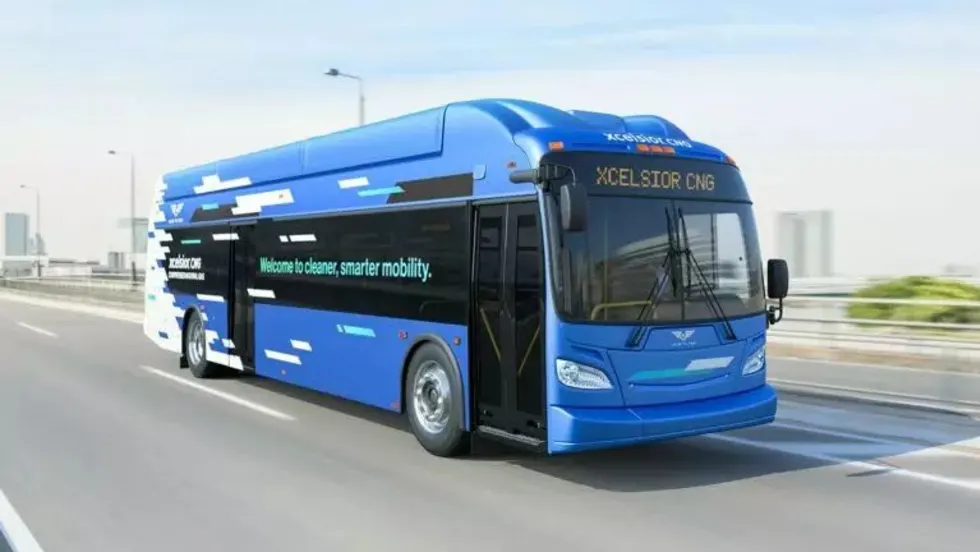
Biz Briefs: New Flyer Delivers in Columbus, Houston, Beep and Freebee Merge, and More
In this edition of Biz Briefs, we spotlight the latest developments shaping the future of mobility.
Read More →