
Metro Magazine

 MENU
 SEARCHMENUSEARCH
Loading data...

In 2005, 780 crimes were reported in the MAX system, dropping to a low of 413 crime reports in 2009.
Read More →


In his resignation letter, David Armijo said his “goal of providing safe, reliable and sustainable transit service in the East Bay has been accomplished.” Armijo’s resignation is effective immediately.
Read More →Scott Bogren, Executive Director for the Community Transportation Association of America (CTAA), joins METRO’s Executive Editor Alex Roman to discuss what the CTAA does and what issues its membership are currently facing; how smaller transit agencies are re-thinking and reinforcing the ways they provide mobility in their communities; ongoing funding issues even after the infusion from the IIJA; and much more.
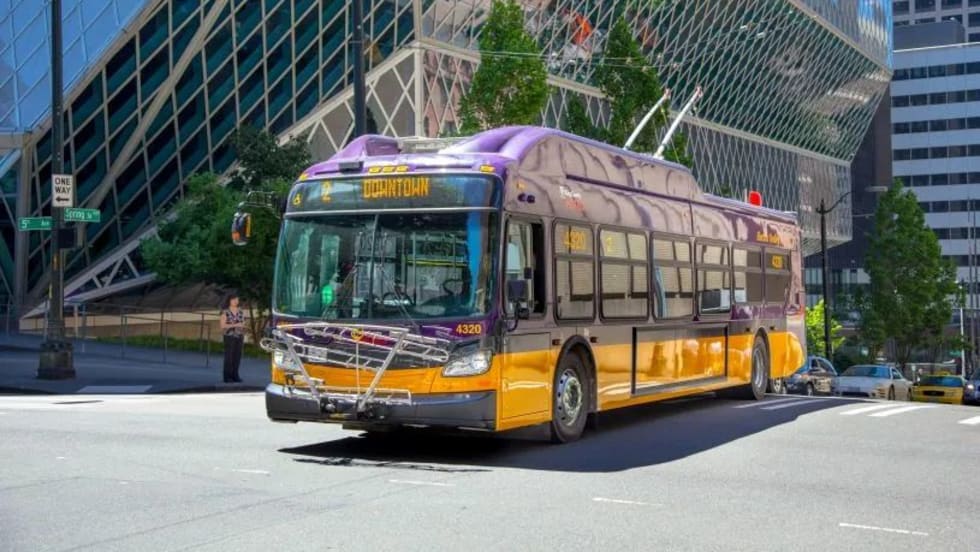
Read More →Transit usage in the Puget Sound region is on the rise, with further growth expected in 2025 due to increased return-to-office initiatives and world-famous events coming to the region.
Read More →The Biden-Harris Administration finalized national regulations to strengthen transit safety oversight to make rail transit safer for both workers and riders.
Read More →Impacts include making operations leaner; delaying bus purchases; and transportation fees aren't keeping up with costs.
Read More →ABA census shows growth in passenger trips, motorcoaches operated and mileage traveled.
Read More →Now, more than ever, cybersecurity is vitally important for public transit agencies.
Read More →Having entered the transit industry by chance in 1971, Durand Rall most recently served as CEO/GM of the San Bernardino, Calif.-based system for 16 years; a position he will leave in December. METRO spoke to Rall about his career and perspective on public transportation.
Read More →Ridership fluctuations, funding, maintaining aging fleet and meeting parking demands are some issues at the forefront for university transit system operators.
Read More →