
Metro Magazine

 MENU
 SEARCHMENUSEARCH
Loading data...

Key benefits of this agreement for Ottawa include an estimated 26 percent reduction in fuel consumption and an estimated 15 percent reduction in maintenance costs.
Read More →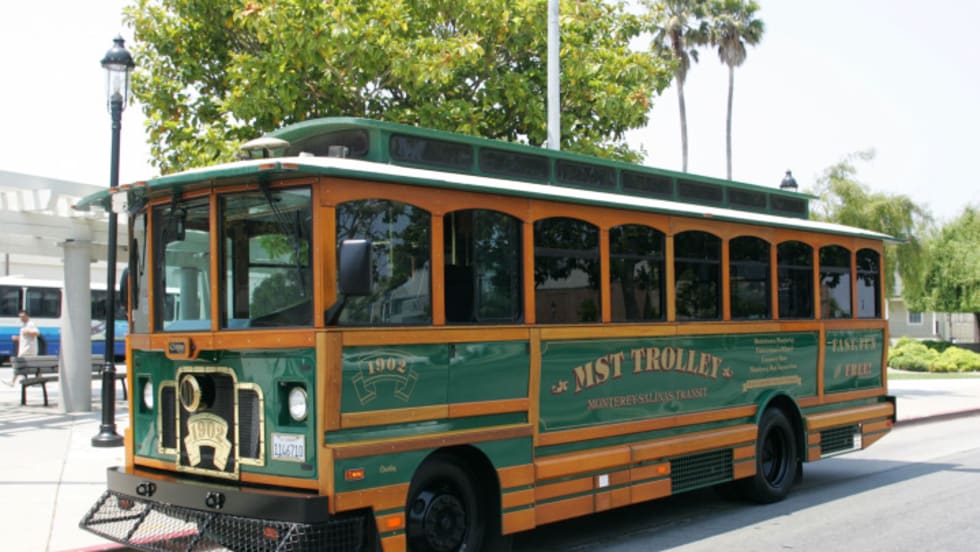
In total, the 40-foot long, diesel-fueled buses will cost $16.4 million-with $8.2 million in agency funds being matched by $8.2 million from the State Local Partnership Program.
Read More →Program has generated almost $2.4 million in savings for five agencies with contract prices of $2.30 per gallon for diesel fuel and $2.11 for gas. The first two years of the hedging program generated $632,811 in savings the first year and more than $3.4 million in the second year.
Read More →Will provide a direct route to and from the city of Salinas — where 25 percent of registered students live — as well as shopping and other commercial locations. Vehicles are equipped with bike racks and wheelchair lifts to ensure more convenience for students.
Read More →Shipments are expected to commence in first quarter 2010 and to conclude in fiscal year 2010.
Read More →Proposal developed by students and administrators would resolve an inequity in which Tri-C students now pay $85 a month for a standard RTA pass, while those at Cleveland State University and Case Western Reserve University are charged $25 a semester for RTA's U-Pass.
Read More →Transfort, the transit property in Fort Collins, signed a tentative agreement with the Associated Students of Colorado State University (ASCSU) to extend evening service from 7 p.m. to 10 p.m. on two routes serving neighborhoods west and south of campus.
Read More →Bay Metro, having already set up a shuttle service to one area university, will start serving two more colleges this fall with buses running Mondays through Thursdays.
Read More →MVTA won American Seating's "Ticket to Ride" promotion at the APTA Exposition in October 2008 and previously used some of the money for a promotion in connection with "Read and Ride Day" at the Minnesota State Fair.
Read More →Teamsters bargaining unit employees will receive no wage increases, but will continue to have their health and welfare costs completely covered over the two-year term. Cost to the City of Tucson for the increases in health and welfare expenses is approximately $1.2 million over the two-year contract.
Read More →