
Metro Magazine

 MENU
 SEARCHMENUSEARCH
Loading data...

One Southern California city’s transit system celebrates 35 years of operations and its many successes. Meanwhile, a city in the Midwest is so strapped it can’t even get half its buses to destinations on time. Which is more representative of public transportation’s current reality in the U.S.?
Read More →
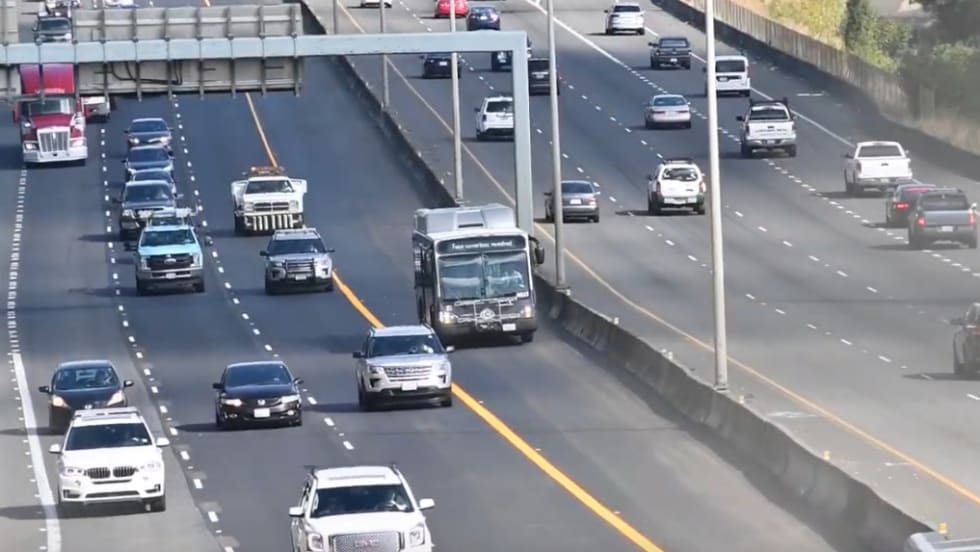
Gov. Kasich administration officials are rescinding former Gov. Ted Strickland’s three-year, $150 million funding pledge to Ohio's public transit agencies. Instead, the state will split $80 million in federal transportation funding among 59 local transit authorities through 2013.
Read More →There were two prevalent news stories this week regarding violence at transit agencies. Both DART and Washington Metro are looking to employ more preventive measures, but are not necessarily in agreement with the public — or among themselves — as to what’s most effective.
Read More →With the average national gas price at $3.21 per gallon, individuals who ride public transportation instead of driving can save, on average, $807 this month.
Read More →Melaniphy addressed the significant amount of investment that is required to address the backlog of capital needs ($78 billion) and to meet growing demand ($60 billion annually).
Read More →Bipartisan bill will improve transit safety oversight and establish national safety standards for transit systems across the country.
Read More →Freebee shows how electric microtransit is moving beyond pilots to fill network gaps, connect riders to transit, and prove lasting value.
Read More →The solution provides a powerful tool that makes travel seamless for users across multiple modes.
Read More →Data includes full schedules and geographic information for all MBTA bus, rail, and ferry routes, along with several regional transit authorities.
Read More →Will double the number of security cameras across the rail system, while also working with police to enhance security for passengers. Chicago police will deploy teams, called Wolfpacks, as well as plainclothes officers to patrol the system.
Read More →